Turning construction waste into new construction material

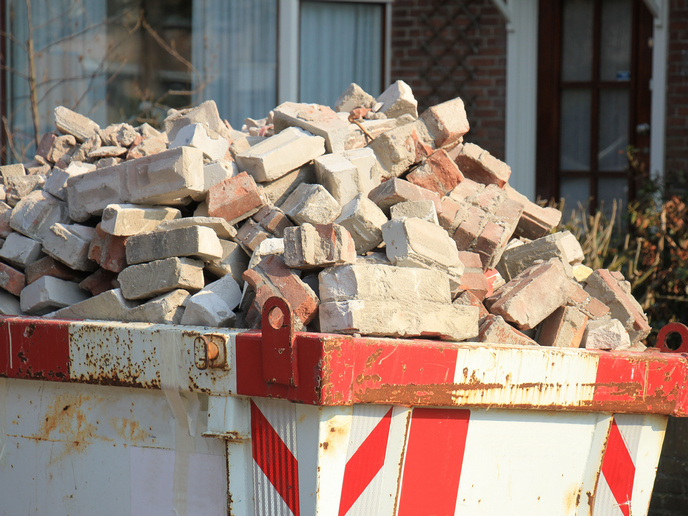
Construction has a large environmental footprint. Not only do the materials used to build a structure require vast amounts of natural resources, once demolished, these structures also produce a significant amount of landfilled waste. But what if it didn’t have to be this way? What if construction could become circular? According to the EU-funded RECOMPOSE project, it can. “Recycling construction demolition waste into recycled construction materials is a feasible and economical way to close the construction loop,” says Qiuni Fu(opens in new window), a Marie Skłodowska-Curie Actions(opens in new window) scholar at the University of Luxembourg(opens in new window), the project’s coordinating partner.
Promoting the use of recycled aggregate concrete
Through its research, the project helped promote the large-scale use of recycled aggregate concrete (RAC). “Made by crushing old concrete into new aggregate, RAC offers a range of environmental benefits, including conserving natural resources and reducing landfill waste,” explains Fu. “However, due to such properties as higher water absorption and lower density, RAC’s use has been limited to non-structural construction such as pavement.” To promote the wider uptake of RAC, Fu, together with her supervisor Markus Schäfer(opens in new window), proposed using the recycled material to create a steel-concrete composite floor slab. To do so, they identified the load-bearing behaviour of headed-stud RAC shear connections, created a database of stochastic responses of headed-stud RAC connections, and developed a design model for headed-stud RAC shear connectors. Steel-concrete composite is a structural method that combines steel and concrete to create a single, stronger unit by physically connecting the two materials and leveraging their individual strengths.
A new slab containing 100 % recycled aggregate
Based on their work, the project team delivered some important results. “We revealed the load-bearing performance of headed-stud connectors in a RAC composite flooring system containing 100 % recycled aggregate for the first time,” notes Fu. The project also highlighted the issue of load relaxation in headed-stud shear connectors when using 100 % RAC, including fines. “These results provide a valuable basis for follow-up research with various geometries and concrete compositions up to the long-term behaviour of composite structures, particularly concerning RAC-related relaxation and creep effects,” adds Schäfer. As full professor of structural engineering and composite structures at the University of Luxembourg, Schäfer helped develop the second generation of the European Design Code for composite structures(opens in new window). The project further developed a computational model for predicting the resistance of headed-stud connections, as well as proposed a modified design model to meet the structural reliability requirements of Eurocode standard EN 1990(opens in new window). The RECOMPOSE project has helped fill an important gap in the development of steel-RAC composite structures. Its research will inspire additional studies on the performance of steel-RAC composite structures under various loads, ultimately providing the data needed to understand the mechanical behaviour of this circular material. “By advancing the standardisation of steel-RAC composite applications, RECOMPOSE represents an important step towards the massive recycling of concrete waste and the creation of a circular construction economy,” concludes Fu.
Towards a circular construction economy
The RECOMPOSE project has helped fill an important gap in the development of steel-RAC composite structures. Its research will inspire additional studies on the performance of steel-RAC composite structures under various loads, ultimately providing the data needed to understand the mechanical behaviour of this circular material. “By advancing the standardisation of steel-RAC composite applications, RECOMPOSE represents an important step towards the massive recycling of concrete waste and the creation of a circular construction economy,” concludes Fu.