Digital tools to incentivise nature-based solutions in farming

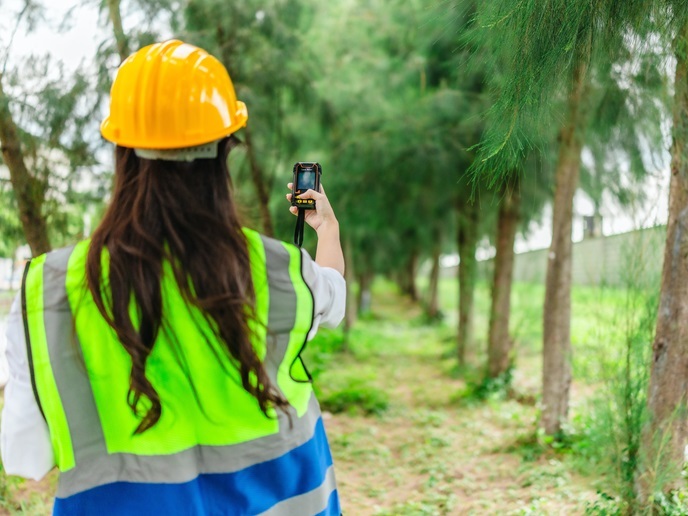
Nature-based solutions (NbS) are gaining ground in Europe’s shift to sustainable farming. To better understand how digitalisation can support this transition, the EU-funded D4AgEcol(opens in new window) project was launched to better understand the opportunities that exist. To do this, the team scanned the landscape of agricultural technologies across Europe, identifying a wide range of existing digital tools used in different farming contexts. These were compiled in an open-access online inventory(opens in new window), which outlines tool functions, use cases and relevance for biodiversity and environmental monitoring. To compare tools consistently, the consortium developed a set of indicators inspired by the FAO’s 10 Elements of Agroecology. Although these elements originate in agroecology, many, such as diversity, resilience and responsible governance, are also directly relevant to technologies that support NbS. Together, these indicators provide a structured way to explore how digital tools might contribute to NbS.
Insights from the field
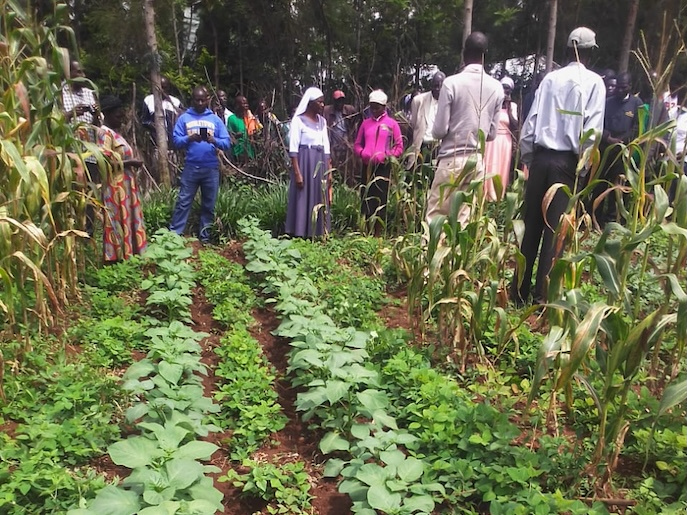
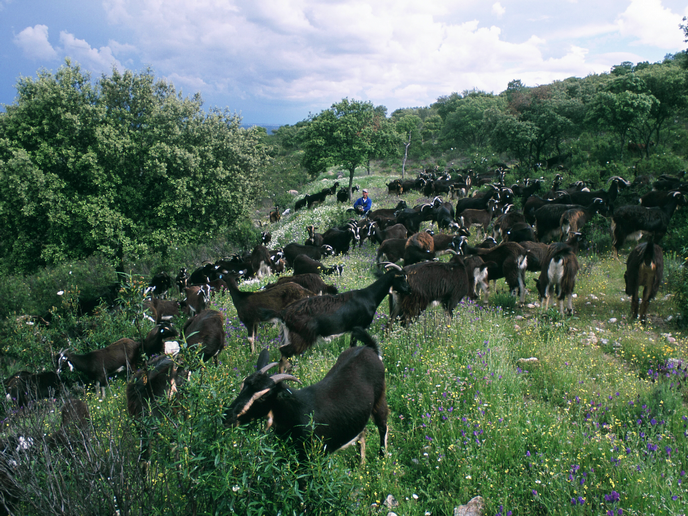
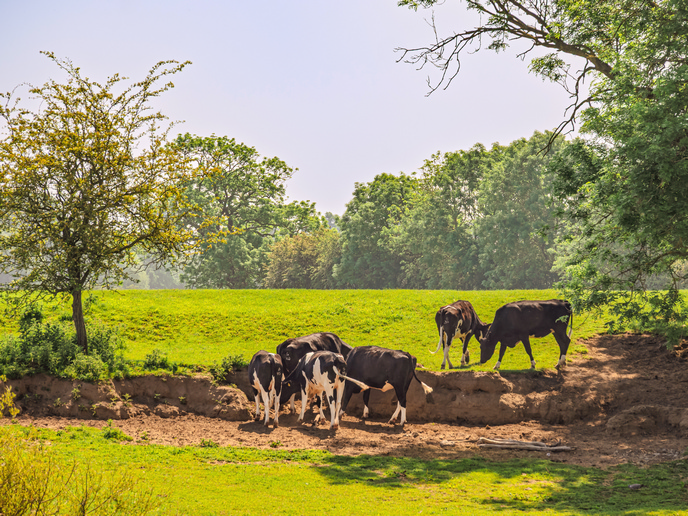
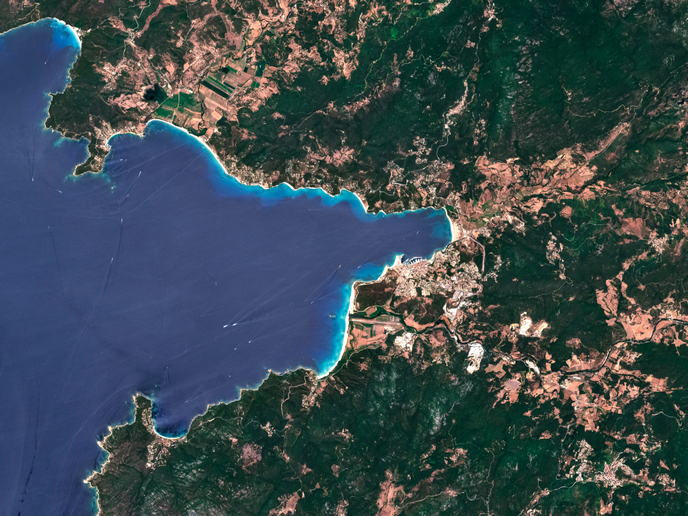
The project applied its indicator-based assessment in a series of Digital Tool Scoping Workshops, where farmers, advisers, digitalisation experts and academics reviewed selected technologies. These workshops were designed to explore both the positive and the negative impacts of these tools. As project coordinator Andreas Meyer-Aurich notes: “The advantages of digital tools are often described in very general terms. We wanted to look a bit closer and see what the actual benefits really are.” Biodiversity monitoring tools emerged as particularly promising. One example was the use of remote-sensing tools to monitor cork-oak agroforestry landscapes, helping assess tree health, vegetation cover and other ecological conditions using satellite imagery. These kinds of tools helped farmers gain a clearer picture of species presence and activity, providing ecological information that would otherwise be difficult to collect regularly. “We found quite a bit of potential in biodiversity monitoring tools, especially for birds and insects,” adds Meyer-Aurich. Meanwhile, digital grazing tools such as the NoFence virtual fencing system also showed potential for adaptive grazing, and an autonomous sowing and weeding robot called FarmDroid was also examined and offered clear labour-saving benefits on organic farms. Across the workshops, participants highlighted the real value of digital tools that improved understanding of biodiversity and environmental conditions on farms.
Addressing policy needs and knowledge gaps
One major outcome of D4AgEcol is a series of national policy roadmaps, along with a European roadmap, outlining how digitalisation can better support biodiversity benefits in agriculture. These documents identify research gaps, governance needs and priorities aligned with the EU’s Green Deal(opens in new window) and farm to fork(opens in new window) objectives. A consistent challenge is that digital technology is evolving faster than research on its impacts. As Meyer-Aurich puts it: “Digital technologies are developing faster than the research on them allows. We may soon have many tools – but still not know much about their effects.” This gap highlights the need for more research on the environmental impacts of digital technologies, along with clearer guidance on how these tools fit within existing regulations, so that farmers can use them with greater confidence.
Towards nature-based solutions
As part of the Digital Agroecology Cluster, D4AgEcol contributes to wider efforts to align digitalisation with ecological and biodiversity goals in agriculture. Its inventory, indicator framework and policy roadmaps now support collaboration across the Cluster and will inform the European AGROECOLOGY Partnership(opens in new window). The project’s results make it easier to see which digital tools truly support biodiversity, helping Europe drive NbS that strengthen farming resilience.