Protecting potato yields from extreme heat- and drought stress

Heatwaves and dry spells can quickly hit potato yields and tuber quality, even when farmers do everything right. The EU-funded ADAPT project(opens in new window) set out to identify which widely grown potato varieties are better adapted to heat and drought, and which signals explain the difference. The project combined European field trials with controlled experiments and large-scale data analysis, so breeders can build stress tolerance into the varieties people already buy. A farmer survey involving more than 550 growers helped to confirm that heat and drought are already the main pressures in many regions.
Field trials show which potatoes hold yield under stress
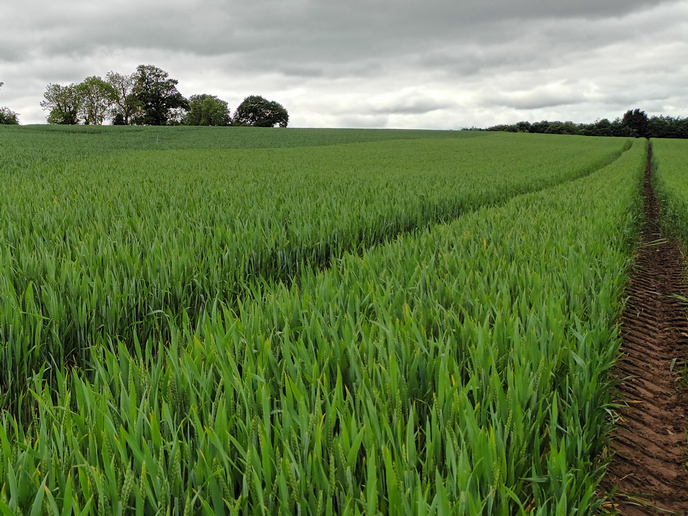
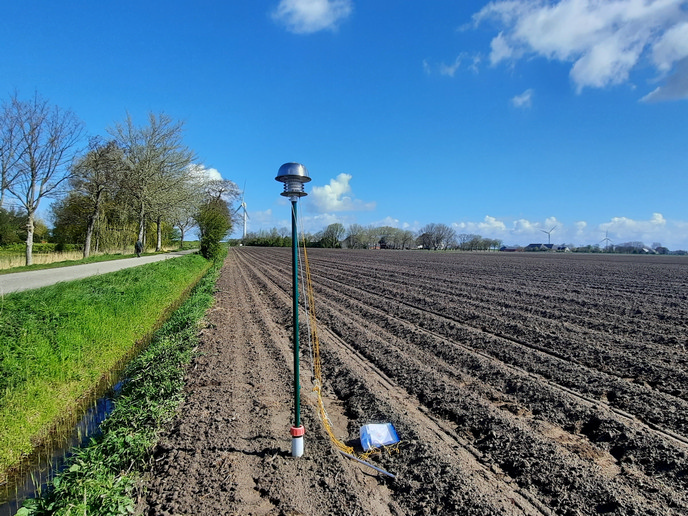
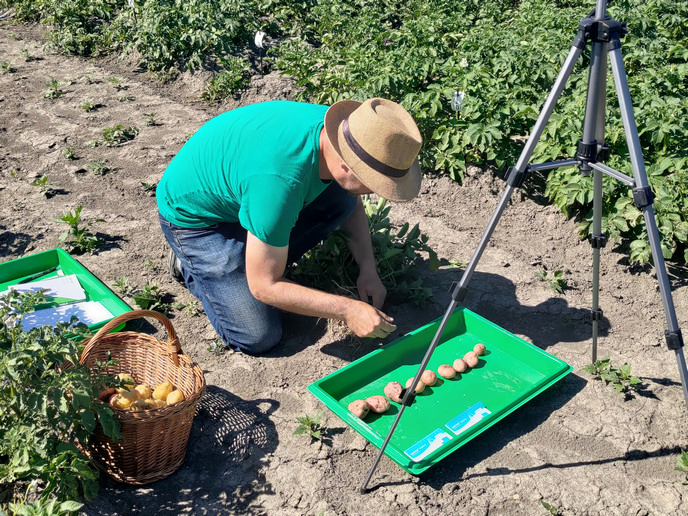
ADAPT ran stress-related field trials with up to 54 potato varieties to capture performance under drought and combined heat and drought. Field trials were carried out at Valencia in Spain and at Lewedorp in the Netherlands, with additional work in Serbia and Austria. Researchers compared responses under different farming regimes and collected samples for in-depth analysis of molecular events to determine how potato plants adjust their growth and metabolism in response to stress. These datasets helped flag ‘contrasting’ varieties: plants that look similar in normal seasons but separate sharply under stress. As project coordinator Markus Teige(opens in new window) explains, “The ADAPT project focused from the very beginning on commercial potato varieties that are widely grown all over Europe and the marketable yield was always an important criterion for us in the evaluation of all trials.” The team also saw how climate stress can stack with pest pressure, including severe damage from the potato beetle during stressed seasons.
Sensor plants reveal early stress signals that matter for tubers
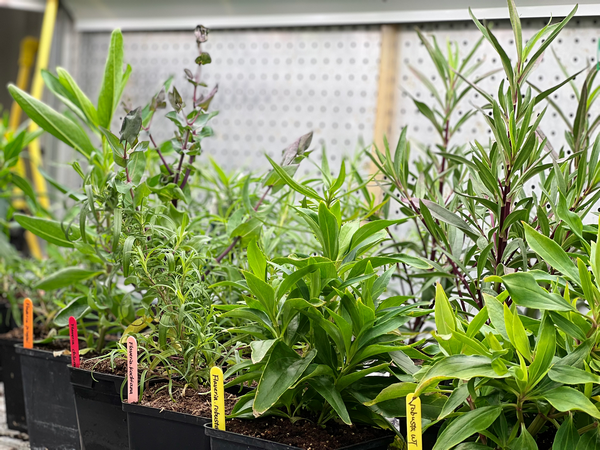
Field outcomes are the priority but ADAPT also tracked what happens inside the plant. In glasshouse studies, the team used high-throughput phenotyping and live-imaging ‘reporter’ potato lines to follow stress signalling in real time. Sensor plants were developed to track secondary messengers, such as calcium (Ca2+) and reactive oxygen species. They were also developed as reporter lines for drought responses and stress-related hormones, such as ABA and jasmonate. Teige notes, “We could see that plants can react within one or two days with the first changes in their physiology.” Those early shifts then guided deeper molecular work, including studies linked to SP6A, a key tuberisation signal, to see how stress can disrupt the pathways that steer tuber formation.
Data tools turn complex biology into breeding targets
ADAPT built pipelines to integrate drone and sensor data with molecular readouts, enabling patterns to be compared across sites, seasons and varieties. One output is the StressKnowledgeMap app(opens in new window), an online tool that organises stress-response evidence into connected maps, so researchers can add new results and link them to models that explain how plants react under pressure. The data also highlighted when measurements matter most. Drone phenotyping suggested that early growth traits can be strongly predictive of final yield, and irrigation influenced both yield and tuber quality, especially when applied early. Those insights point to where breeders should focus screening and where future trials could support more precise crop management. For breeders, the bottleneck is turning multi-gene resilience into reliable molecular markers that hold across climates. ADAPT’s combined datasets help narrow down the stages and traits that best predict yield resilience, especially in early growth phases, helping breeders prioritise which signals to convert into practical markers. The next step is to develop and validate those markers for heat- and drought-tolerant varieties. Teige sums up this next step: “Once that is done, it can be expected that in a time frame of 5-10 years, these new varieties will be available to farmers and contribute to stable yields with good quality also under different growth conditions.”