Holistic genotyping and phenotyping of plant genetic resources in Europe’s gene banks

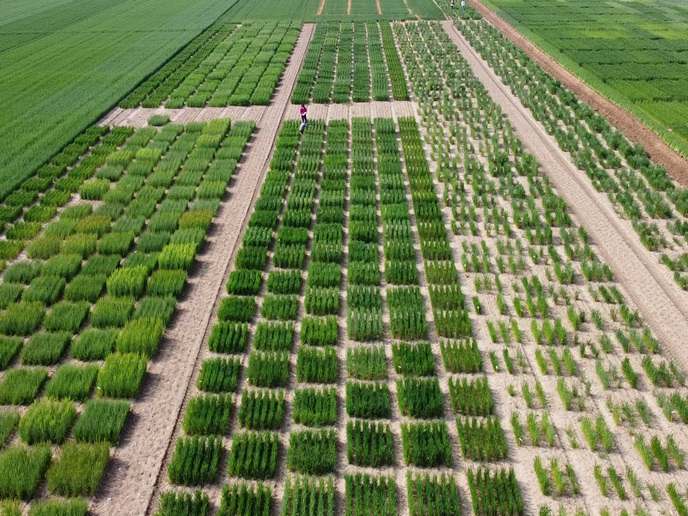
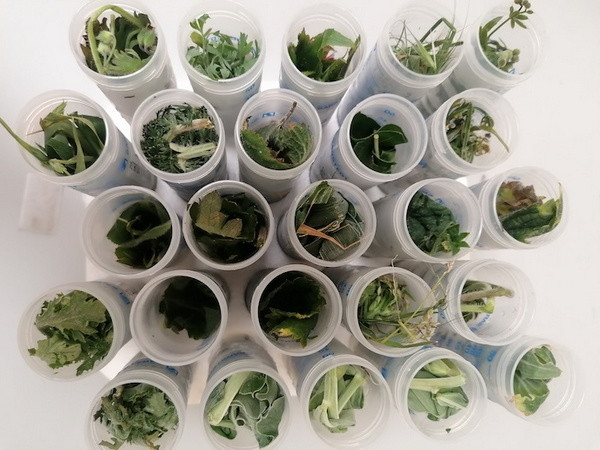
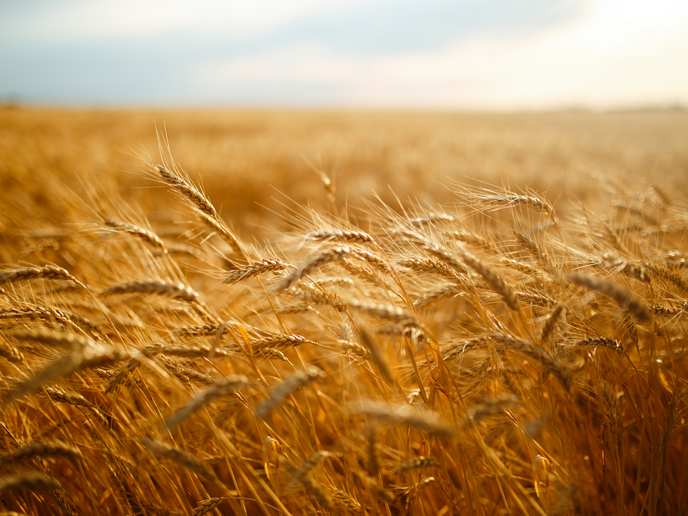
Since the early 20th century, when many traditional crop varieties became incompatible with modern agricultural practices, countries began establishing gene banks to safeguard the genetic diversity of crops and their wild progenitor species. About 7.4 million uniquely identified samples of plant genetic material (accessions) are now stored in more than 1 750 gene banks around the world. These plant genetic resources(opens in new window) – seeds, vegetative tissues or DNA – contain the keys that could unlock crop adaptation to a changing climate. Despite their importance, the potential of plant genetic resources remains underexploited due to limited information on their genetic and phenotypic properties as well as uncertainty about redundancy among collections from decades of material exchange. The EU-funded AGENT(opens in new window) project addressed these challenges. Using wheat and barley, two key European crops, AGENT demonstrated how coordinated management and characterisation of genetic resources in a European gene bank network can enhance their value for breeding climate-resilient crops.
Towards dense, high-quality genomic data on accessions
A central component of AGENT was the generation of high-quality genomic data, albeit on a limited scale. “Genotypic information enables precise identification of accessions, revealing genetically identical, highly similar or unique materials across collections. Unique genotypes highlight non-redundant diversity of global importance that is conserved ex situ in gene banks,” explains AGENT project coordinator Nils Stein of the Leibniz Institute of Plant Genetics and Crop Plant Research(opens in new window). In addition, genotypes shared among gene banks are of interest for comparative analysis of phenotypic data in various climatic conditions. AGENT genotyped selected subsets of approximately 500 wheat and/or 500 barley accessions in each of the more than 10 participating gene banks. While insufficient for comprehensive diversity mapping, this pilot-scale genotyping demonstrated the conceptual value of dense genomic data for gene bank management, research and breeding.
FAIR data integration
Gene banks have collected phenotypic information over time regarding their collections. To make data findable, accessible, interoperable and reproducible(opens in new window) (FAIR), the consortium’s gene banks collaborated on data formats and standards(opens in new window) and data stewardship(opens in new window) for curating historical wheat and barley data, and generating novel data. This enabled integrated analyses across the combined individual datasets. “Viewing individual collections in the context of a much larger dataset is particularly beneficial to users of smaller collections that may not be representative of global variation within a species,” notes Stein.
Genotypic and phenotypic information in a climate-aware gene bank network
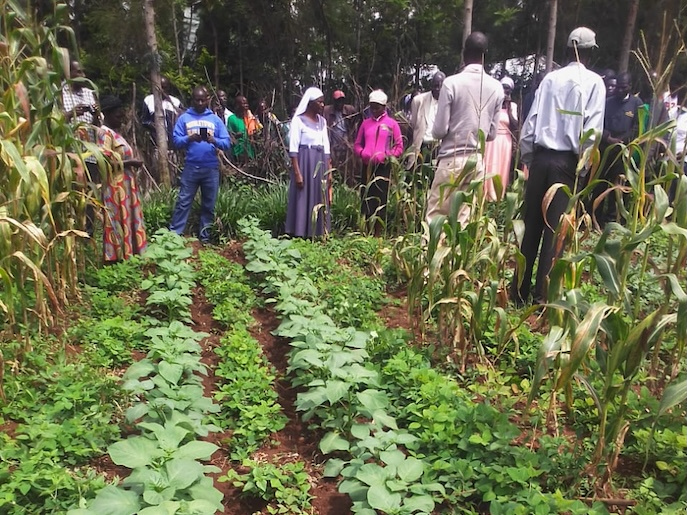
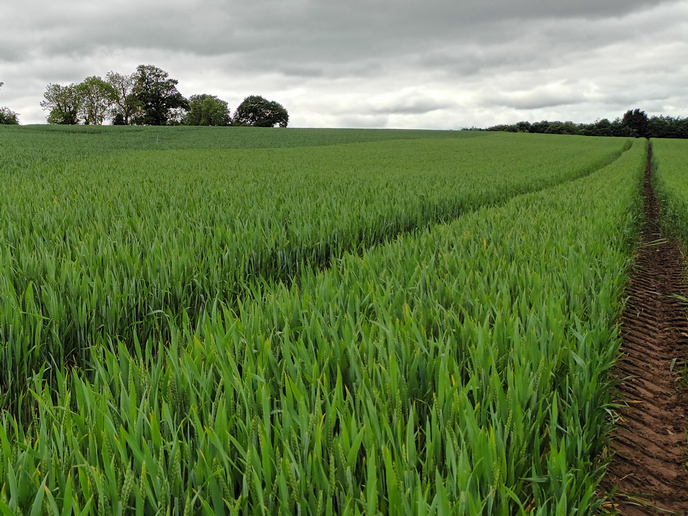
A defined set of commercial wheat and barley plant genetic resources was exchanged among the AGENT gene banks and shared with breeding companies and farmer cooperatives for replicated multi-year field evaluations. The newly generated phenotypic information together with FAIRified historical phenotypic and genotypic information enabled the identification of climatically similar gene bank locations (‘mega-environments’). Future dense genotypic information and subsets of phenotypic data on the global gene bank population could be used to predict phenotypes for uncharacterised accessions under comparable conditions. Ultimately, comprehensive genotyping and phenotyping across gene bank collections would make plant genetic diversity shaped by past climate adaptation accessible for research and breeding. It would also reveal the extent to which plant genetic resources have continued to adapt or evolve since their acquisition. “AGENT has shown the potential of interdisciplinary collaboration and FAIRified genotyping and phenotyping to strengthen breeding efforts,” Stein concludes. “Applying these concepts at scale, supported by increased funding, will enable a European gene bank network to provide strategically selected plant genetic resources, accelerating crop improvement, climate adaptation and long-term food security.”