Space data that stabilises renewable energy grids


Europe’s energy portfolio is diversifying away from fossil fuels, presenting new challenges for grid operators. “With the shift to renewable energy sources such as solar and wind, which are highly weather-dependent, there is a lot of uncertainty in power generation,” says Nikolaos Zotos, CEO of Future Intelligence(opens in new window). The Greek telecom engineering company coordinated the RESPONDENT(opens in new window) project, which set out to channel data from Europe’s space programmes into a set of tools that help forecast renewable energy supply and manage the electricity grid in real time.
Harnessing satellite services
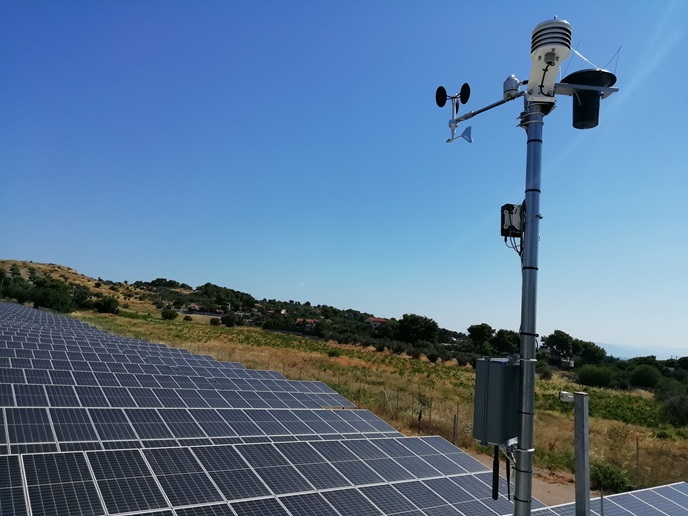
The RESPONDENT platform combines readings from local weather stations with data supplied by the EU’s Earth Observation programme Copernicus(opens in new window) and its satellite navigation system Galileo(opens in new window). “We combined satellite data with local weather stations to improve accuracy and better predict how much energy would actually be generated,” adds Zotos. Using multiple sources makes it easier to estimate how much energy will be delivered by solar and wind installations at specific locations. Timing is the other side of the problem. As more renewable energy feeds into the grid, everything needs to stay aligned. RESPONDENT uses Galileo’s precise timing to keep measurements in sync across the network, helping operators spot issues earlier and respond before they escalate. Together, these elements make up a single platform that combines generation forecasting, demand forecasting and grid monitoring all in one place.
Testing RESPONDENT in real conditions
The project moved beyond modelling and into real-world testing through two pilot sites, each focusing on different parts of the platform. In Greece, the focus was on renewable energy generation forecasting(opens in new window) at the KIEFER photovoltaic park in Artemida. What began with a small number of installations was expanded to cover multiple plants, bringing them into a single platform. This made it possible to test forecasting at scale and improve accuracy by combining data across sites. In Barcelona, Spain, the focus shifted to grid monitoring(opens in new window). The system was installed at a substation and within a microgrid control system, where Galileo-based synchronisation was tested using hardware integrated directly into the network. This allowed the team to see how the system behaves under real operating conditions, including periods of stress on the grid. “We had the opportunity to validate the platform in real environments, with users and under real operating conditions,” notes Zotos. Forecasting accuracy improved 8-12 % compared to existing approaches, and at the same time, more precise timing helped improve the reliability of grid monitoring. The pilots also showed wider benefits. In the demonstration, operators were better able to manage congestion, keep voltage levels stable and respond more quickly when supply and demand shifted. With more reliable forecasts, they could make adjustments earlier, rather than reacting at the last minute.
Making the grid easier to manage
RESPONDENT takes data and services from Copernicus and Galileo and turns them into tools for day-to-day grid operations, helping distribute the right amount of energy, at the right time, where it is needed. To do that, the platform brings together forecasting and grid monitoring in a single system that can be used by grid operators, energy providers and aggregators. Developed by a consortium of eight partners across Greece, Ireland and Spain, the technology is currently being tested for potential integration into operational activities. The next step is to scale it up, test it in larger networks and bring it to more users. For Europe’s energy system managers, RESPONDENT’s value is clear, helping operators see problems earlier and avoid expensive last-minute fixes. This increased resilience allows greater adoption of renewable energy, ensuring that Europeans benefit from an energy system that is sustainable and reliable.