Moving towards sustainable plant protection


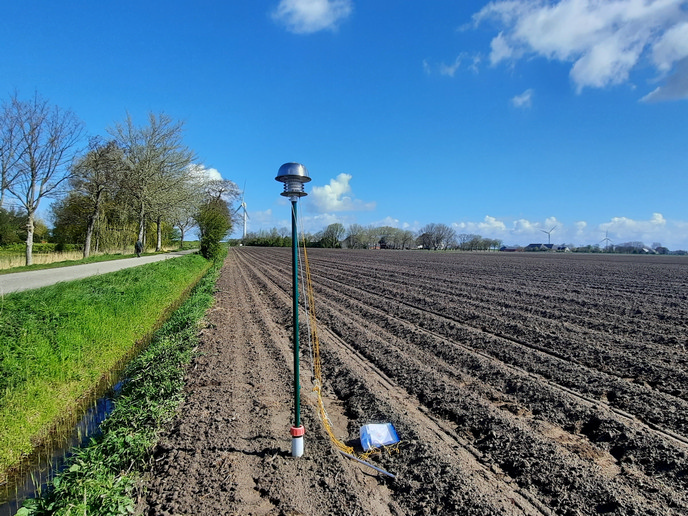
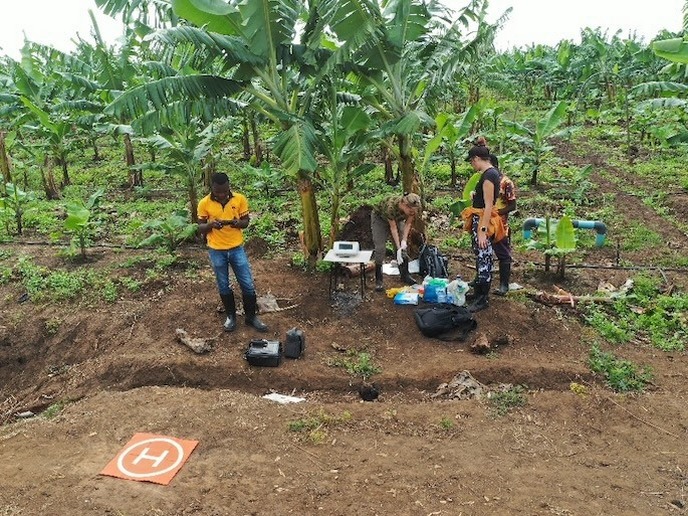
Current farming systems rely upon the application of pesticides to ensure high crop yields and control pests and disease. However, their use may have an impact on human health and the environment. To address this challenge and successfully transition to a more sustainable use of pesticides, scientists need a better understanding of exposure routes and integrated risk assessment of pesticide mixtures. The EU-funded SPRINT(opens in new window) project therefore conducted large-scale monitoring to identify pesticide occurrence in farms, people, and terrestrial and aquatic ecosystems. The consortium also studied pathways to a sustainable agricultural future that align with the European Farm to Fork strategy(opens in new window). Scientists from 14 European countries and Argentina investigated the costs and benefits associated with pesticide use at the farm and consumer levels. Their work involved monitoring pesticide residues in soil, surface water and sediment, air, indoor dust, animal and human urine, faeces and blood in 11 case study sites. Based on these results, researchers selected specific pesticide combinations to test for their effects on survival and reproduction. They also evaluated how these chemical mixtures may contribute to disease and adverse health effects in humans, animals and ecosystems.
Pesticide risks identified
The team used their findings to create a Global Health Risk Assessment Toolbox(opens in new window), which provides enhanced methods for measuring pesticide exposure and risks based on real-world data. “This toolbox will ultimately support European health and environment regulators make more informed decisions regarding pesticide safety,” explains project coordinator Violette Geissen of Wageningen University in the Netherlands. Researchers also worked with farmers, advisors and policymakers, plus civil society and private-sector actors to develop case-study-specific pathways towards pesticide-free agriculture. The case studies covered a wide range of farming systems, including horticulture, viticulture, orchards, olives, potatoes, cereals, oilseeds and mixed farms. According to Geissen “The transition pathway work shows that pesticide reduction cannot be delivered through farm-level action or input substitution alone. It requires coordinated policy support for on-farm agroecological innovation, biodiversity infrastructure, fairer value chains, independent advisory systems, transparent data, public engagement and governance reforms.” As she adds, “SPRINT also highlights the need for stronger monitoring, including environmental benchmarks for soil, sediments, air and dust, human biomonitoring, biological guidance values, harmonised use and authorisation registries, and risk-mapping tools to target the highest-risk substances, crops and regions.”
Sustainable solutions
By collaborating with farmers and other stakeholders, researchers were able to identify farming practices and policy changes that lower dependency on chemical pesticides. This will enable them to move towards more sustainable plant protection reducing impacts on human health and the environment, while supporting economically viable farming systems. “SPRINT informed decision-makers by translating scientific findings and stakeholder-led transition pathways into policy options across three areas,” notes Geissen. “This will enable pesticide-free farming systems, strengthen pesticide risk governance, and improve the common agricultural policy’s role in reducing reliance on pesticides”. “Globally, SPRINT’s outputs have value beyond Europe because many countries face similar challenges around pesticide dependence, food security, environmental degradation and public-health protection”, Geissen concludes.