An underwater pharmacy – finding beneficial marine microbes

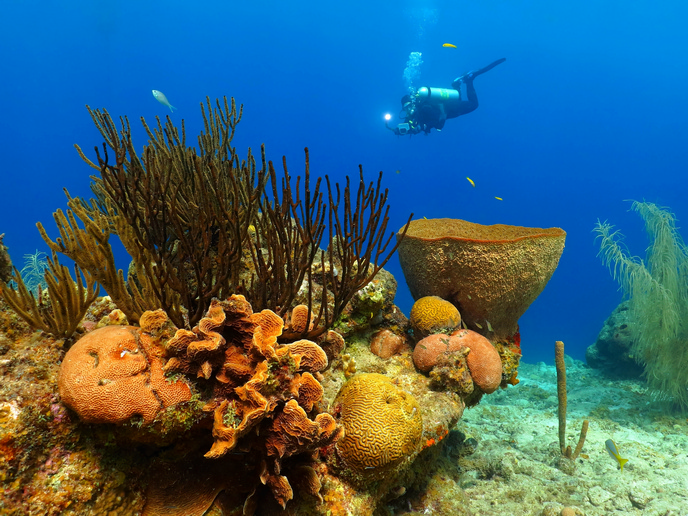
Our relationship with the beneficial microbes around us has been part of our evolution – the first fermentation around 7000 BCE, nitrogen fixing bacteria which were first discovered in the late 19th century, and the discovery of penicillin in the early 20th century, are all examples. Infectious diseases continue to threaten human health, aquaculture and agriculture, while antimicrobial resistance (AMR) is reducing the effectiveness of many existing antibiotic treatments. At the same time, farmers and fish producers are under pressure to reduce reliance on conventional antibiotics and chemical pesticides. The EU-funded MARBLES(opens in new window) project was designed to address these global challenges by identifying natural microbial solutions from the marine environment that could help prevent disease, improving crop and fish health, and potentially contributing to future healthcare applications. Mariana Avalos Garcia(opens in new window), MARBLES project manager based at Leiden University(opens in new window) in the Netherlands, explains that scientists have only explored a tiny fraction of the world’s microbial diversity. “Marine environments are particularly promising because the organisms have evolved unique ways of surviving intense competition, disease and environmental stress. In doing so, they often produce novel compounds to protect themselves that are unlike anything that can be found on land,” Garcia notes. So, MARBLES set out to harness this largely untapped marine biodiversity as a source of new disease-fighting compounds and beneficial microbes. The team focused on marine sponges which are particularly interesting because they host extremely diverse microbial communities known to produce many natural products. Microalgae and fish were chosen because of their direct relevance to aquaculture and sustainable food crop production. Gilles van Wezel(opens in new window), MARBLES coordinator and professor of Molecular Biotechnology(opens in new window) at Leiden University, and his team also wanted to find disease control solutions for aquaculture and agriculture. “Traditionally, control has depended heavily on antibiotics, chemical pesticides and other synthetic treatments. While often effective, these approaches can contribute to AMR, environmental contamination and impacts on non-target organisms,” he explains.
Persuading microbes to respond to testing on land as they would underwater
It’s a demanding task. Many microbes possess the genetic instructions needed to make potentially useful compounds, but under normal laboratory conditions those instructions remain ‘switched off’. MARBLES searched for natural chemical signals produced by marine organisms and their microbial partners that tell these microbes to switch those hidden pathways back on. These chemical signals are called ‘elicitors’. “A simple analogy is that the microbes already have a library full of books, but most of the books are locked away. Finding an elicitor is like finding the key that opens previously unread books, allowing scientists to discover useful molecules that would otherwise remain hidden,” says Garcia. The project combined ecology, genomics, microbiology, bioinformatics and natural products chemistry to understand not only which microbes were present but also how they interact and which molecules they produce. This systems-level approach helped researchers identify promising compounds and beneficial microbial communities more efficiently than traditional screening methods. By cultivating microbes and producing compounds through fermentation, rather than harvesting large amounts of wild marine organisms such as sponges and fish, MARBLES sought to minimise pressure on natural ecosystems. As van Wezel says: “Biodiversity has huge potential for new medicines. The idea behind MARBLES was to look for compounds with potential, in a way which maintains the very biodiversity you are drawing on. So, you don’t take sponges out of the ocean, but you find the microbes, the bacteria in there, get those out, leaving the sponges to grow.” The project also complied with international frameworks governing access to and benefit-sharing of marine genetic resources and promoted sustainable use of marine biodiversity.
Identifying the marine microbial compounds with medicinal potential
By the time the project had ended, the team had analysed more than 1 200 microbial strains, prepared more than 8 000 extracts and studied these in more than 160 000 biological tests, against a variety of pathogens in aquaculture and human health. MARBLES used newly created software tools to identify the most promising extracts and new compounds with potent and selective activity against certain pathogen strains. “For several of these we have started the process of scale-up to determine if they can be sustainably produced for further biological tests,” notes Garcia, who adds that both the EU grant and the leadership of van Wezel meant that not only were the project’s aims met, but the journey to that end has given researchers valuable experience. “We couldn’t have received better guidance and supervision,” remarks Garcia.