


Cleaning wastewater with electricity and light

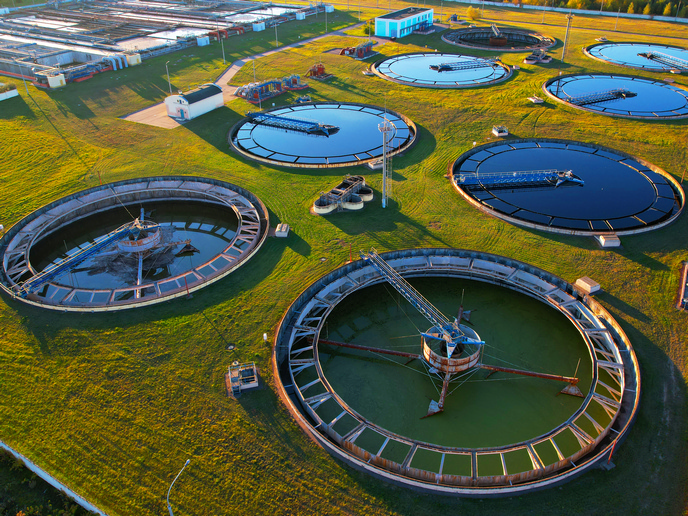
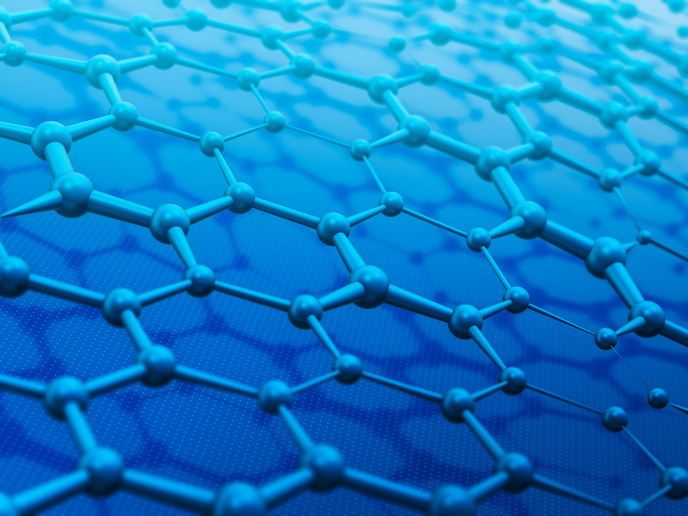
Most European wastewater treatment trains are already highly developed, but there are increasing concerns about emerging contaminants that are difficult to remove using conventional biological treatment. These include emerging contaminants such as per- and polyfluoroalkyl substances (PFASs), pharmaceuticals and antimicrobial resistance genes. Bismuth vanadate (BiVO4) is a unique material that holds promise in cleaning such pollutants from water. When in contact with light and electricity, BiVO4 degrades pollutants through a process known as photoelectrochemical (PEC) oxidation. “Bismuth vanadate is a highly attractive material for solar-driven water treatment because it absorbs visible light,” explains Sanjeeb Mohapatra, Marie Skłodowska-Curie(opens in new window) fellow at Delft University of Technology(opens in new window) (TU Delft). When light hits BiVO4, it generates negatively charged electrons and positively charged ‘holes’ in the material. These holes must reach the electrode and water interface to react with pollutants, yet a significant number of them simply attract to electrons and combine again before they can carry out their work. “The fundamental challenge is how to make better use of the solar energy that BiVO4 absorbs, by improving charge separation, charge transport and surface reactions,” adds Mohapatra. Through the EU-funded SOLUTION project, Mohapatra worked on a solution to this problem, developing a coating for the surface of BiVO4 that improves the charge flow of the overall ‘photoanode’ – the light-activated material and coating combined. “The approach I took was to engineer the photoanode so that the photogenerated charges could be separated and transferred more efficiently, while also improving the reactions taking place at the surface,” he explains.
Developing a novel photoanode material to boost wastewater treatment efficiency
Through the project, Mohapatra and his colleagues developed and optimised the photoanode using a combination of materials synthesis, electrochemical characterisation and performance testing. “We systematically investigated how the composition and structure of the material affected charge transfer and pollutants, such as pharmaceutical degradation, and used this information to optimise the electrode,” notes Mohapatra. The researchers also moved out of the lab and tested the technology with real wastewater, including sewage effluent. “This was important because real wastewater contains many different organic and inorganic components that can compete for the reactive species generated at the photoanode,” says Mohapatra.
Demonstrating improved performance in pharmaceutical removal
The most important result was to demonstrate improved performance of the PEC system, by addressing the fundamental limitations of the photoanode itself. “We were able to establish the relationship between material properties and pharmaceutical removal,” remarks Mohapatra. “That is scientifically important because it gives us a much better understanding of why the material performs better and how it can be further optimised.” Mohapatra also highlights the importance of testing the technology in real wastewater conditions, as this is a far more complex testing scenario than the lab. “Demonstrating performance under realistic conditions brings the technology one step closer to practical application,” he adds.
Improving wastewater treatment in the EU
The main opportunity is for this technology to complement, rather than immediately replace, conventional wastewater treatment. Our work contributes to that longer-term goal by developing more efficient photoanode materials that can potentially reduce the energy and operational requirements of solar-driven treatment. “The project showed that solar-driven photoelectrochemical treatment has potential as a complementary technology for removing pharmaceuticals from wastewater,” says Mohapatra.