Cellulose-based solutions transform the green energy sector

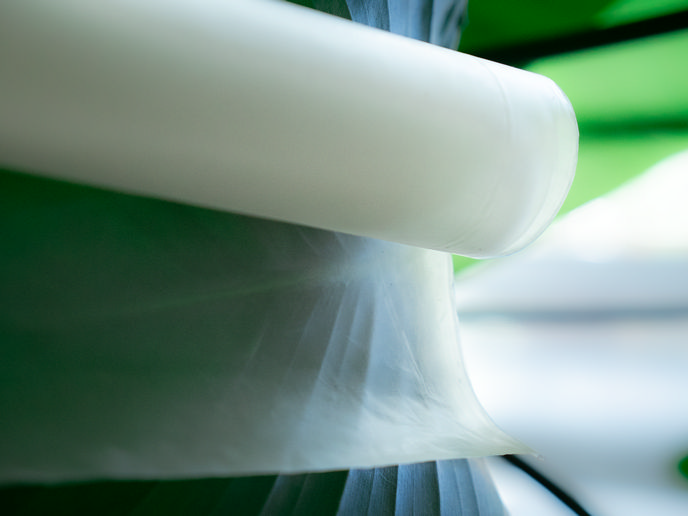
New applications leveraging electrochemical properties offer promising alternatives to fossil fuels. Unfortunately, these fuel cells, batteries and similar technologies use per‑ and polyfluoroalkyl substances (PFAS)(opens in new window), often referred to as forever chemicals, which are damaging to human health and the environment. Due to the health costs associated with PFAS, Europe is moving to enact broad restrictions on these chemicals. Manufacturers of products that rely on PFAS – from cookware and batteries to food packaging and firefighting foams – must find new solutions. The EIC-funded CNF Membrane project, coordinated by Swedish company Cellfion, has produced PFAS-free membranes that are ready for market uptake.
Selective membranes: an essential component
Many clean energy solutions including proton exchange fuel cells, redox flow batteries(opens in new window) and hydrogen-related technologies rely on selective membranes. Fuel cells, for example, require a barrier that separates fuels but allows ions to pass through. Selective membranes act as gatekeepers, letting some molecules pass through while blocking others. The desired selectivity is produced by introducing specific chemicals to the membrane and modifying its structure. The project’s PFAS-free membranes are highly adaptable and can be designed to meet specific requirements in a wide variety of applications.
A PFAS-free alternative
Cellulose, the main ingredient in the cell walls of plants, is the most abundant natural polymer in the world. The CNF Membrane project capitalises on this resource by using commercially available Scandinavian wood pulp to produce an array of selective membranes. The project’s solutions not only replace forever chemicals with a safe alternative, but their manufacture is sustainable too. “From an environmental perspective, the manufacturing process has a relatively low impact. By replacing fluorinated PFAS-based materials with cellulose, we believe our technology offers a significantly more sustainable alternative for future membrane applications,” shares project coordinator Liam Hardey.
Market reception
Cellfion is moving toward market uptake. “Our current focus is on redox flow batteries for long-duration energy storage, electromembrane processes and ion-separation technologies for water and industrial treatment, as well as fuel cell humidifiers for hydrogen-related technologies,” explains Hardey. During the course of the project, the company worked with industrial partners and received very positive feedback, demonstrating that sustainable, cellulose-based membranes deliver high-performance, functional benefits and cost-effectiveness. The next step is demonstrating the scalability of the solution. The CNF Membrane project optimised two dewatering methods to support large-scale production, prioritising scalability. “This is a challenge we are now actively addressing through planned investments in production capacity and manufacturing infrastructure,” Hardey says, “which will be a major milestone in bringing the technology to market.” With the successful demonstration of selective membranes designed for diverse uses, project participants are excited about the future of cellulose-based alternatives. “What excites us most is that we are only beginning to understand the full potential of this technology platform and the industries it can impact,” Hardey notes. Eliminating PFAS from the wide range of products and industries in which they are used is a massive undertaking. The achievements of CNF Membrane demonstrate a clear path to achieving this.