How bacterial interactions influence intestinal health

Our gastrointestinal tract is covered with a mucus layer that protects the body from invasive pathogens and facilitates symbiotic interactions with commensal bacteria. These microorganisms are a vital element of the human gut microbiome, contributing to various functions such as digestion, nutrient absorption and immune system development. “This mucus layer consists of different types of large mucin proteins (a family of proteins that play a crucial role in forming and maintaining mucus) that are decorated with complex sugar molecules,” explains Bac2MUC project coordinator Karin Strijbis(opens in new window) from Utrecht University(opens in new window) in the Netherlands. “It is still largely unknown how bacteria interact with these sugar-decorated mucin proteins, and what the functional consequences are of these interactions for intestinal health and disease.”
Identifying functions of mucins
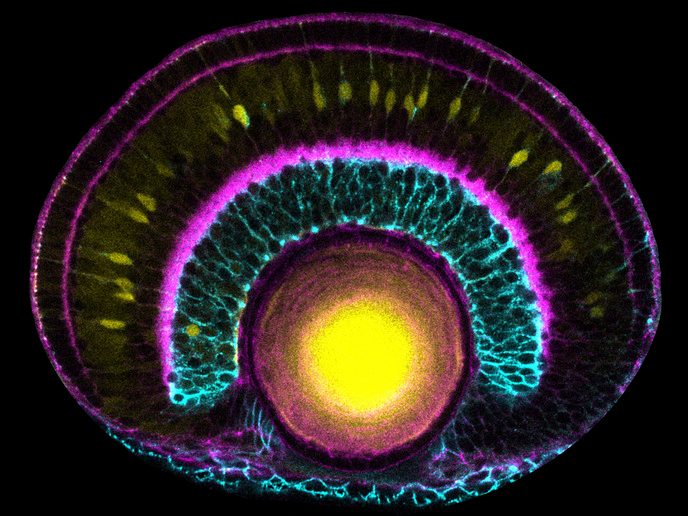
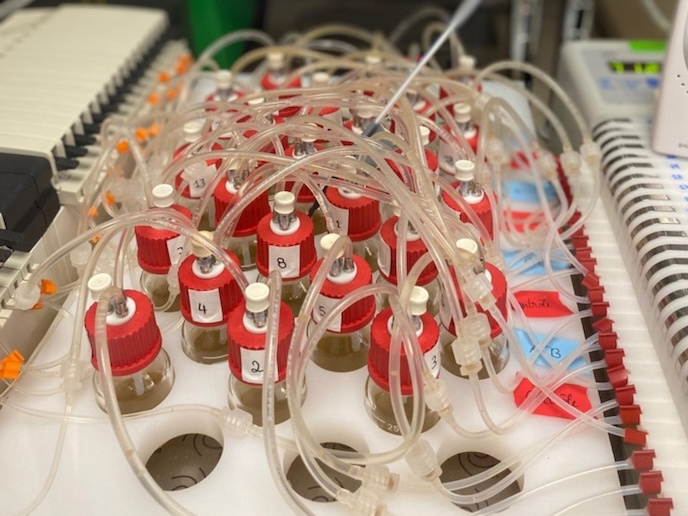
The aim of the Bac2MUC project, which was supported by the European Research Council(opens in new window), was to identify pathogenic and commensal bacteria that interact with specific mucin glycoproteins. The project also set out to determine the functions of mucins in preventing infection and maintaining intestinal health. “To investigate the functions of mucins, we grew intestinal epithelial cultures in the lab with the correct mucin proteins that occur in the small and large intestine,” says Strijbis. “We also engineered our cells to lack one mucin using CRISPR gene-editing technology.” Clustered regularly interspaced short palindromic repeats (CRISPR) gene editing enables scientists to modify the DNA of living organisms using a ‘molecular scissor’ to cut DNA at targeted locations. The technique is used to correct gene mutations, disable genes or even insert new genes. “Many intestinal bacteria cannot grow and thrive in the presence of oxygen, so most of our experiments had to be conducted in an anaerobic chamber,” notes Strijbis. “We performed adhesion and invasion experiments and visualised bacteria-mucin interactions using fluorescence confocal microscopy.” Fluorescence confocal microscopy uses fluorescent labels to image biological samples with high resolution. It enables scientists to visualise in detail cellular structures and processes.
Essential roles in maintaining intestinal health
The project team was able to show that mucins play essential roles in maintaining intestinal health and that bacteria-mucin interactions are highly specific. For example, pathogens such as Salmonella have developed specific virulence factors to hijack mucins for invasion. Commensals such as Bifidobacteria colonise the mucus layer and cleave off mucin sugars for nutrition, but at the same time strengthen intestinal barrier functions. “New knowledge about the molecular interactions of bacteria and mucins can benefit human health in several ways,” says Strijbis. “For the pathogens, we can develop strategies to block their interaction so that they can no longer invade the body from the mucosal surface. For the commensals, it is important to know which bacteria can restore healthy intestinal barrier functions, for example for patients that suffer from leaky gut or inflammatory bowel disease.”
Relevance for human health and disease
Strijbis believes that the project has helped to underline how mucins play central roles in human health. “In my group, we will continue to uncover specific bacteria-mucin interactions and their relevance for human health and disease,” she adds. “In collaboration with a team of gastroenterologists, we are currently investigating changes in mucins and mucus properties during inflammatory bowel disease, and we are exploring if specific commensal bacteria could restore intestinal health.”