Safer implants for endovascular aneurysm repair

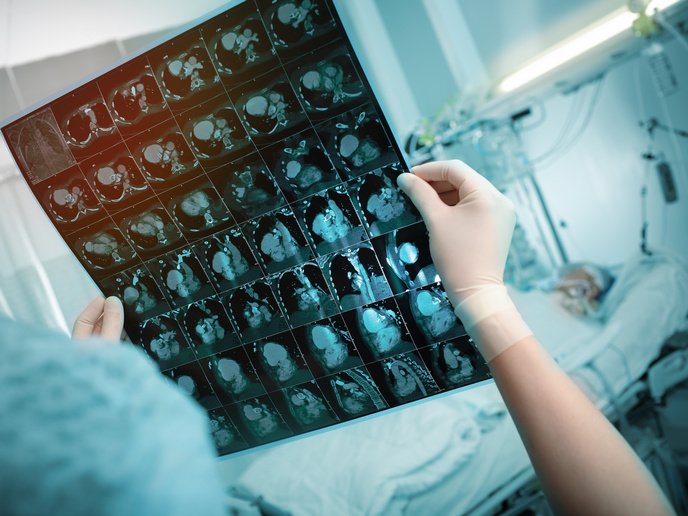
An abdominal aortic aneurysm (AAA) is a bulge or dilation of the main artery that carries blood from the heart to the lower body. When the aortic wall weakens and expands beyond 5 cm, it can eventually rupture, causing massive internal bleeding. “AAAs develop silently and are most often linked to ageing, smoking, hypertension and genetic predisposition,” explains aortoseal(opens in new window) project coordinator Ronit Harpaz, co-founder & CEO of Endoron Medical(opens in new window). “Because patients rarely experience symptoms before rupture, early detection is vital. However, current screening programmes in Europe remain inconsistent and often limited to specific age or gender groups.” On top of this, ruptured AAAs carry a mortality rate of around 80-90 %. Even when detected, current endovascular repair (EVAR) techniques can fail over time, with leaks or stent graft migration leading to repeat interventions. “These gaps highlight the need for better early diagnosis and more durable repair solutions,” adds Harpaz.
Safe and secure endovascular repair
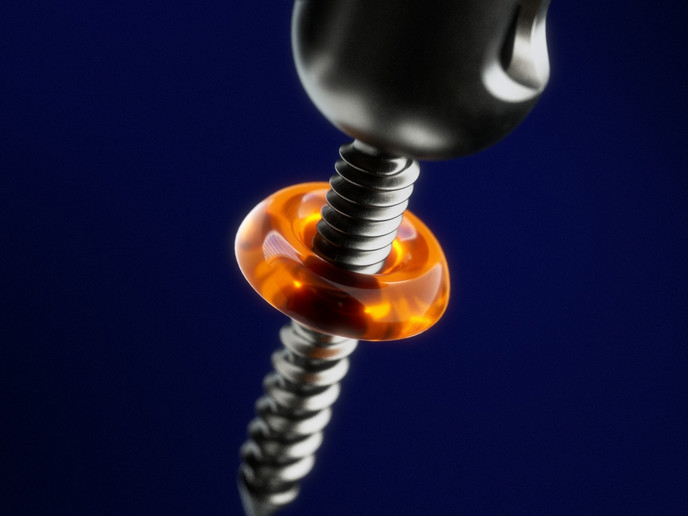
The aortoseal project, which was funded by the European Innovation Council(opens in new window), set out to address these challenges. The aim was to make EVAR as secure and lasting as open surgical suturing, by combining minimal invasive techniques with the durability of hand-sewn suturing from open surgery. “Our end goal was to eliminate the main causes of long-term failure, which are poor fixation of stent grafts and inadequate sealing at the neck of the aneurysm,” explains Harpaz. To achieve this, the project brought together European and American vascular surgeons, biomedical engineers, mechanical engineers, clinical researchers and regulatory specialists. Key elements of the work included designing and engineering a novel fixation and sealing mechanism that mimics surgical stitching.
Pre-clinical testing and regulatory alignment
Pre-clinical testing was carried out in cadaveric and animal models to confirm seal integrity and resistance to migration. Clinical evaluations were then conducted through early feasibility studies at leading European and American centres. “We also made sure that these innovations were in regulatory alignment with European and US frameworks, in preparation for a pivotal clinical study,” notes Harpaz. “Manufacturing and training infrastructure was also addressed, to ensure consistent quality and safe adoption across sites.” The first-in-human procedures helped to demonstrate that the new device is safe and can achieve seal and secure fixation through a minimally invasive approach. No device-related safety concerns were observed. “Bench and clinical data showed higher resistance to migration and fewer endoleaks, the main cause of secondary interventions after EVAR,” says Harpaz. “A scalable manufacturing process and physician training pathway have now been established.”
Addressing abdominal and thoracic aortic disease
For patients, stronger stent fixation and sealing will mean fewer complications, and re-interventions, thus improving both quality of life and safety. For healthcare systems, more durable repair will help to reduce overall treatment costs and long-term burdens on vascular services. “This innovation also expands endovascular options to patients currently excluded from minimally invasive therapy,” adds Harpaz. The next phase will be a pivotal multicentre clinical trial across Europe and the United States to confirm long-term outcomes. In parallel, manufacturing capacities will be scaled up to support broader clinical availability. “Further collaboration with European hospitals, research networks and regulatory bodies will help to integrate these innovations into standard care,” says Harpaz. “This will enable us to move towards a future where durable endovascular repair becomes the gold standard for abdominal and thoracic aortic disease.”