Promoting underutilised crops to boost farm resilience

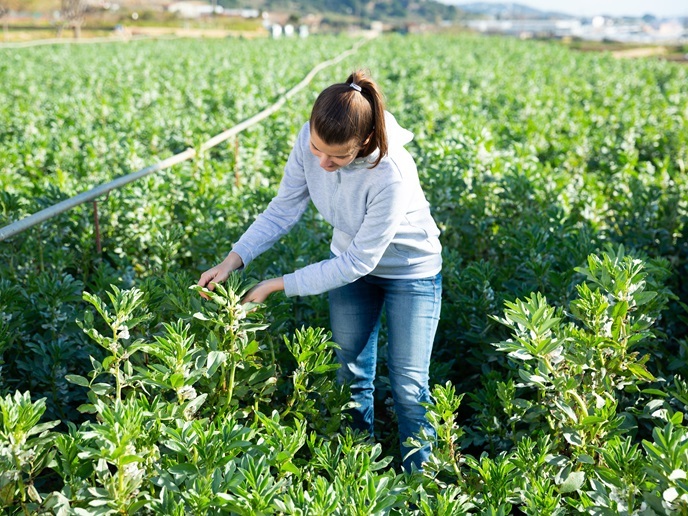
Humans have a remarkably narrow agricultural base. Out of an estimated 300 000 edible plant species, we only consume about 200. The reasons are not easy to explain, however, as multiple factors are at play. Most wild plants have traits that make them unsuitable for cultivation, so farmers have traditionally selected the ones that are easy to grow and store. Conventional agriculture also favours monoculture, resulting in soil degradation and reduced biodiversity, while the global food system is structured around crops that can be efficiently grown, transported and marketed. This has left many underutilised crops (UCs) behind. “Social, cultural, economic and institutional factors also reinforce the dominance of a few crops, making it difficult for farmers to diversify,” explains Marta Vasconcelos(opens in new window) from the Catholic University of Portugal. Yet, cultivating and consuming UCs could boost agricultural biodiversity and reduce our reliance on the small number of plant species we depend on.
Promoting the breeding and farming of underutilised crops
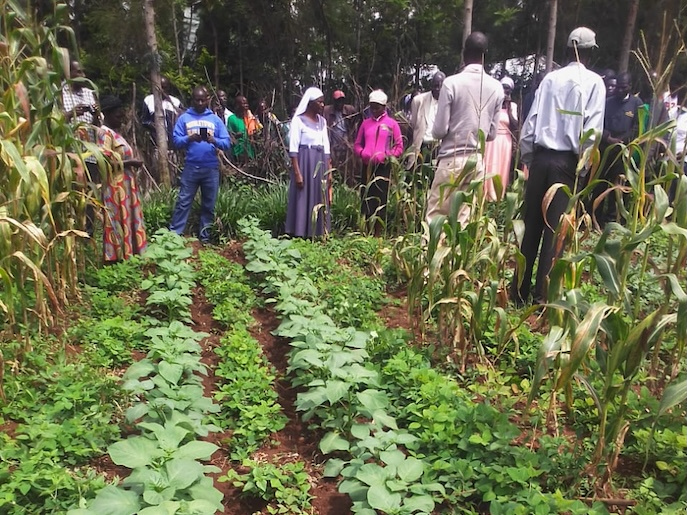
In the EU-funded RADIANT(opens in new window) project, Vasconcelos and her colleagues brought together a multi-actor consortium to focus on UCs. The team co-developed solutions for increasing agrobiodiversity through sustainable dynamic value chains (DVCs) that promote the breeding and farming of these crops. Project partners put in extensive work on promoting breeding and farming. The researchers characterised numerous collections of selected UC populations in various locations and explored their biotic and abiotic stress tolerance or looked for improved nutritional traits. RADIANT also worked with pilot farms and conducted participatory research with 20 ‘Aurora Farms’(opens in new window) across Europe. This involved 45 additional farmers who kept diaries to record practical knowledge and challenges. Sustainable DVCs were established by connecting farmers, researchers, processors and consumers, including through a dedicated phone app that facilitated information sharing. A conceptual framework was developed to aid in creating sustainable business models. Finally, a blockchain-based traceability system was piloted in processing-focused supply chains to improve transparency and trust.
Open-access knowledge of underutilised crops
This work led to the publication of 50 open-access publications(opens in new window) and tools, including the Agrobiodiversity Toolbox(opens in new window) and CropBASE-EU, a global knowledge base for UCs. The project conducted several workshops to understand the drivers of and obstacles to UC farming and consumption, created extensive dissemination materials, and produced several policy proposals based on the results. The team also put on the RARE FOOD FAIR, a public-facing event which celebrated food diversity and brought together producers, researchers and consumers. “Together with our sister projects, we laid the foundation for the Underutilised Crops Cluster(opens in new window), which brings together dozens of stakeholders who share an interest in and passion for promoting underutilised crops across their multiple dimensions,” notes Vasconcelos. The project also created, tested and validated 14 new products for human and animal consumption based on underutilised species.
Supporting EU food systems through agrobiodiversity
“The RADIANT project exemplifies how fostering agrobiodiversity can transform food systems,” says Vasconcelos. “By promoting the cultivation and use of a wider range of crops and supporting dynamic, participatory approaches to agricultural innovation, RADIANT helped ensure that farming systems are more resilient, productive and sustainable.” RADIANT tools, networks and policy recommendations will remain available on open-access platforms, and the project has already inspired a range of follow-up projects. “The seed was sown, the results have sprung, and the outcomes are ahead,” adds Vasconcelos. “It is exciting to see what the future of RADIANT will bring.”