A new era of emerging zoonotic vector-borne diseases

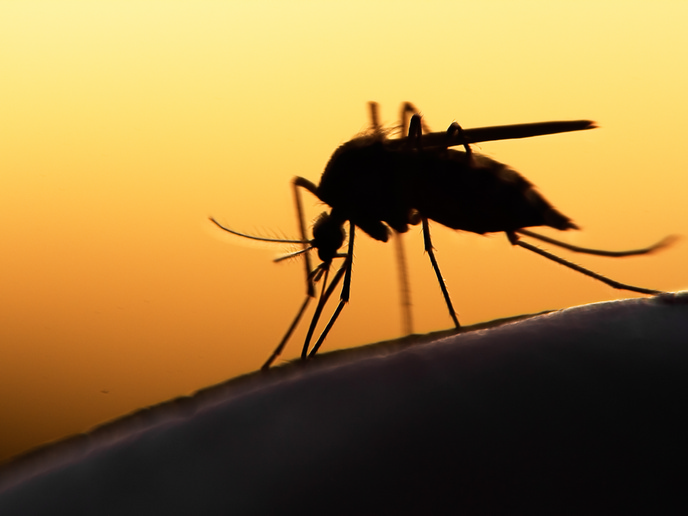
Zoonotic vector-borne diseases (VBDs) such as Lyme disease, West Nile virus, malaria and Zika already affect millions of people globally, particularly in poorer regions. But as climate change expands the range of mosquitoes(opens in new window), ticks(opens in new window) and snails(opens in new window), the risk these diseases pose to humans continues to increase. “Research on vectors and vector-borne diseases has never been more important, as climate change and globalisation are expanding the habitats of disease-carrying vectors, increasing the risk of transmission, threating human and animal health, and straining our healthcare systems,” says Anna-Sofie Stensgaard, researcher and associate professor at the Faculty of Health and Medical Sciences, University of Copenhagen(opens in new window). Providing such research is the EU-funded PREPARE4VBD(opens in new window) project. “Our aim is to help Africa and Europe prepare for a new era of emerging zoonotic vector-borne diseases,” adds Stensgaard, who served as the project coordinator.
New insights into vector-borne diseases
Bringing together 10 university and ministerial partners from five African and three European countries, the project substantially expanded the scientific knowledge base on neglected tick-, mosquito- and snail-borne VBDs. Using a mix of methods, ranging from holo-genomics, warming experiments and state-of-the-art modelling, researchers gained new insights on how mosquitoes, ticks and snails could adapt to climate change and spread diseases to new areas. Some of these models show that climate change is likely to favour many African malaria vector mosquitoes, putting an additional +200 million people at risk in the future. Another modelling study shows that climate change will have an uneven impact on snail vectors of liver fluke disease, expanding their ranges in Europe but reducing them in Africa. The project also produced and collated a large amount of data that is freely available through the project’s integrated vector and VBD database platform. It currently includes over 60 000 geo-referenced entries that researchers can use to create continent-wide risk mapping(opens in new window) and to model the impact climate change could have on future disease patterns. PREPARED4VBD further developed a range of innovative, on-site diagnostic and surveillance tools that can be used to both rapidly discover new VBDs and provide early warnings to at-risk populations. An example is the development of environmental DNA (eDNA) that can detect even small DNA traces of vectors or parasites directly in water samples – an important milestone for the early detection of invasive species.
A framework for collaborating across continents
PREPARE4VBD’s comprehensive research has significantly strengthened Africa and Europe’s capacity to detect VBDs and has helped them better prepare for a potential outbreak. In fact, the project’s field-ready tools, integrated data platforms and policy-relevant insights are already being used across both continents. But the project’s impact extends beyond disease preparedness. It also serves as a model for how the Global North and Global South can collaborate to better address cross-continental challenges. “Our project provides a framework for working across disciplines and diseases as well as countries and continents,” concludes Stensgaard. Although the project has now ended, it’s impact continues to grow. In addition to expanding on the tools and models developed during PREPARE4VBD, the project’s legacy will also expand as the 14 early-career scientists it trained carry its work forward in their own careers.