Energy management systems contribute to optimisation of local energy islands

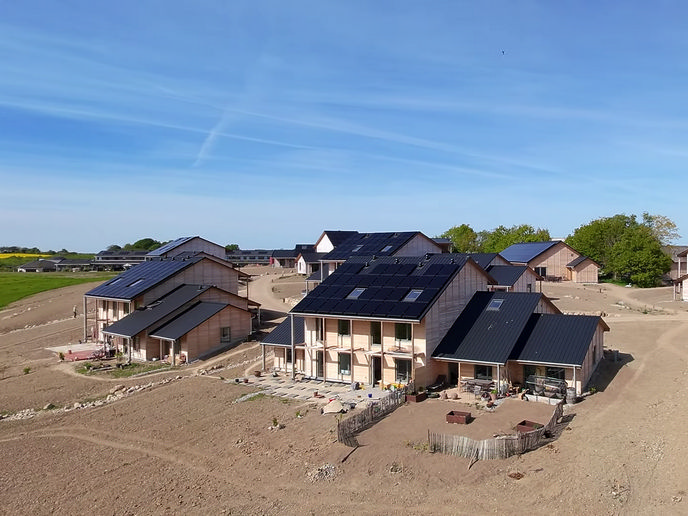
Developing cost-effective, sustainable energy solutions requires a multifaceted approach. New storage systems, renewable energy sources (RESs) and smart control have created a range of opportunities for improved management of electricity grids. The EU-funded SERENE(opens in new window) project, a participant in the BRIDGE(opens in new window) initiative, established demonstrators in three European countries to show how local communities can participate in lowering energy costs and increasing reliance on RESs.
Customer-centric solutions
Key to the project’s approach is understanding the motivations of consumers and engaging them in active participation. Surveys showed that citizens in Denmark, the Netherlands and Poland were incentivised to invest in renewable energy for different reasons. Two Danish demonstrators worked with local citizens, property owners, utilities and stakeholders to transition heating in residential buildings from fossil fuels to electricity. The Dutch demonstration sites involved two neighbourhoods, one with 24 houses and one with 12, in the village of Olst. The Polish demonstrator included a school building, an industrial site and a household district. Studies found the most relevant characteristics supporting engagement in local energy management were individualistic traits, a reliance on local decision-making, sound financial resources and a desire for increased savings. When a local community establishes itself as an energy island, all of these characteristics play a role in reducing a community’s reliance on the main grid. As project coordinator Bak-Jensen shares: “Through SERENE, we demonstrated that community‑level energy systems(opens in new window) are no longer theoretical; they are technically ready and capable of delivering real benefits. For the three countries involved in the project, we developed local energy management systems that can control their electricity consumption so it is more aligned with local production.”
Integrated energy systems
As Europe works to decentralise its electricity grids, encouraging citizens to become energy producers as well as consumers is essential. Communities that hope to become more self-reliant in meeting their energy needs will need to work together. “We have developed management systems to optimise self-consumption of locally produced energy. This is achieved by prioritising and scheduling different demands such as heating and cooling, electric vehicle charging, and general consumption, as well as by applying electrical and thermal storage,” explains Bak-Jensen. Prioritisation and scheduling are essential to integrated energy management. SERENE’s integrated energy systems involved batteries, heat and water storage, electric vehicles (EVs), and renewable energy generation in the form of photovoltaics. As project manager Morten Veis Donnerup notes: “SERENE enabled us to develop a scalable community energy management system that controls heat pumps, EV chargers, solar inverters and batteries in real time. It supports demand response, peak shaving and self‑consumption while ensuring user comfort and grid flexibility.” The project partners hope to see the SERENE solution replicated in other communities across Europe and beyond. In addition to the continued development of consumer-oriented energy management systems, the project hopes to see certain political barriers addressed. The regulation of local energy management in each of the three demonstration countries is different, making replication challenging. Widespread energy autarky, where local communities are largely self-reliant, will help realise Europe’s goal of a carbon-neutral future. By demonstrating the viability of energy islands, SERENE has shown that local energy independence is possible.