Predicting immune toxicity in next-generation therapies

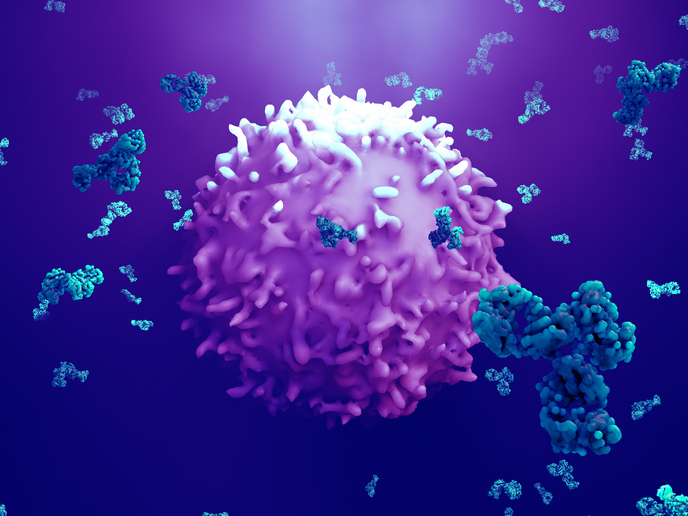
Immunotherapies are transforming the treatment of cancer and inflammatory diseases, yet their safety remains difficult to predict. Severe immune-related toxicities often emerge only in clinical trials or after market approval, reflecting the limitations of existing preclinical models. Capturing the complexity of the human immune system remains a major scientific and regulatory challenge.
Rethinking immune safety assessment
The EU-funded imSAVAR project set out to address this gap by developing a new framework for predicting the safety of immunomodulatory therapies. “We recognised that traditional models do not adequately reflect human immune biology, particularly in diseased states,” explains project coordinator Ulrike Köhl. “Our goal was to build a more mechanistic and human-relevant approach to safety assessment.” A key innovation was the adaptation of the adverse outcome pathway concept(opens in new window) to immune-related adverse events and their visualisation in interactive disease maps(opens in new window). These pathways provide mechanistic maps through structured organisation of biological knowledge, linking molecular interactions to clinical toxicities. This enables researchers to better understand how therapies may trigger harmful immune responses and to utilize these testable pathways for model-informed assay development. The project applied this framework to clinically relevant conditions, including cytokine release syndrome associated with T cell-activating therapies and IL-2-mediated vascular leakage. This approach helped identify new biomarker candidates relevant to CRS associated with anti-BCMA CAR T-treatment(opens in new window).
New models
To capture immune complexity, imSAVAR refined existing experimental systems and developed new models. These include advanced in vitro assays, co-culture systems and organ-on-chip technologies(opens in new window) that replicate tissue-specific immune responses with greater physiological relevance. By integrating samples from both healthy individuals and patients, the models move beyond simplified systems and better reflect real-world disease conditions. Moreover, the project established iterative workflows, moving from early-stage models to more complex systems that incorporate disease-specific samples. This approach allows continuous refinement and validation, ensuring that models remain aligned with clinical realities.
Biomarker discovery
Alongside model innovation, the project sought to identify novel biomarkers linked to immune toxicity. One notable outcome was the identification of circulating biomarkers such as soluble IL-2 and soluble VCAM-1(opens in new window) associated with immune activation and vascular responses in a CAR-T patient study. Beyond individual markers, the project established a broader mechanism-based biomarker strategy(opens in new window), linking cellular activation, endothelial responses and inflammatory mediators to defined adverse outcome pathways.
Towards safer immunotherapies
Overall, imSAVAR has contributed to building a broader ecosystem for immune safety. The mechanistic concepts and frameworks developed are taken forward by imSAVAR partners in follow-up projects. This ensures that the tools and methodologies continue to evolve beyond imSAVAR’s duration. “The long-term impact lies in creating a shared foundation for immune safety assessment,” notes project manager Ilka Henze. “By aligning models, data and standards, we can improve the safety of immunotherapies.” Looking ahead, the concepts and tools developed within imSAVAR are expected to inform future research and regulatory strategies. By improving the early detection of immune-related toxicities, the project paves the way for safer immunotherapies, ultimately benefiting patients across a wide range of diseases.