Biotech breakthrough helping farmers grow more with less

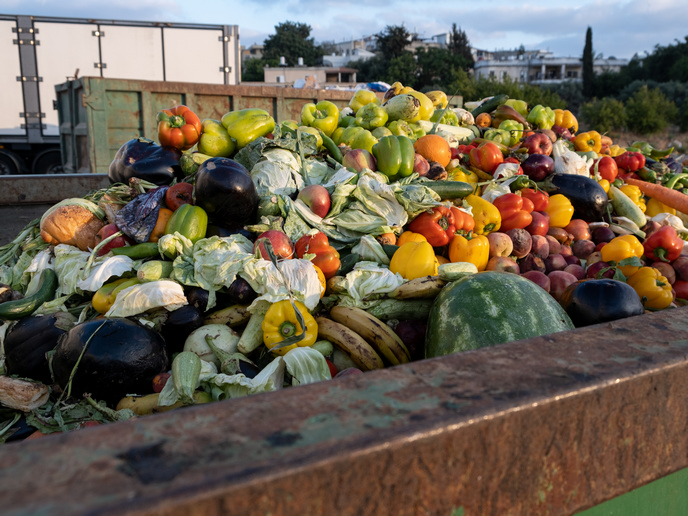
European farmers face mounting pressure to produce more with fewer resources. Skyrocketing costs and regulations target synthetic fertilisers that rely heavily on fossil fuels and energy-intensive production processes. Meanwhile, Europe produces huge amounts of underused agricultural and organic waste that represent an untapped resource for the circular bioeconomy.
Building more sustainable agriculture from residues
To tackle this issue, the N-Spire(opens in new window) project, which was funded by the European Innovation Council(opens in new window), developed an innovative and scalable manufacturing platform. It uses heat and beneficial microorganisms to convert agricultural waste into natural products that improve plant growth and health. The tech solution offers farmers more sustainable alternatives to conventional chemical inputs. “The project addressed a key challenge facing European agriculture: how to reduce dependency on synthetic fertilisers while maintaining crop productivity and resilience,” explains Branwen Miles, project manager at Zymofix, the Belgium-based biotech research company that coordinated the project. N-Spire demonstrated how agricultural side streams – the useful leftovers from farming and food production – can be converted into valuable bio-based products that support a more circular and regenerative agricultural system.
The science behind cleaner, smarter crop production
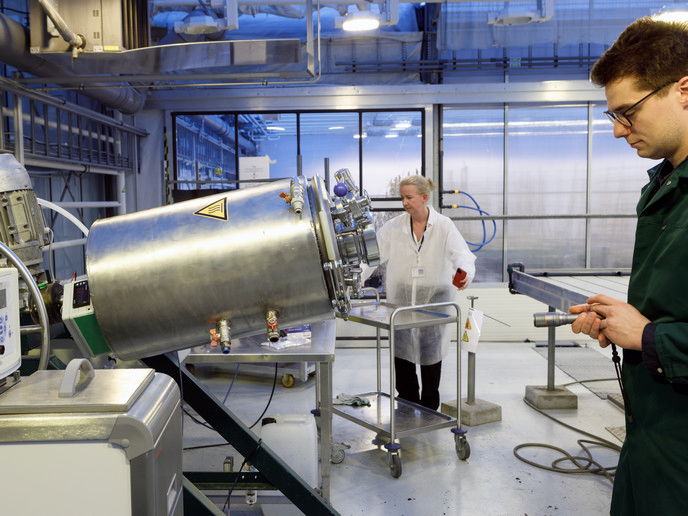
The researchers successfully demonstrated the integrated pilot-scale manufacturing process, combining thermal pre-treatment and solid-state fermentation into one coupled production platform. This was a critical step in proving that agricultural residues can be reliably converted into high-quality microbial products under real-life conditions. One of the researchers’ biggest challenges was keeping the entire production process clean and free from contamination. By developing a fully connected system with advanced cleaning methods, carefully controlled transfer conditions and optimised fermentation strategies, they succeeded in producing high-quality microbial products suitable for industrial use. This marked a major step towards large-scale production, moving the technology closer to practical commercial use while reducing the challenges associated with future manufacturing. “The milestone demonstrated that the technology is not only scientifically feasible, but also scalable and industrially relevant,” says Miles. The researchers also successfully optimised the microbial growth process, producing highly pure and stable microbial products at pilot scale at commercially relevant titres. In addition, they introduced different formulation strategies for use in agriculture, including granules, liquid formulations and seed coating concepts. This showed that the platform can be adapted for a wide range of crops and farming practices. Greenhouse and field tests delivered encouraging results, showing better seed germination and the potential for higher crop yields, even with lower fertiliser use.
From start-up to scale-up
N-Spire enabled Zymofix to begin its scale-up initiative and mature from an early-stage start-up to a rapidly growing company with pilot infrastructure, an intellectual property portfolio, strategic partnerships and a clear commercial roadmap. During the project, the company expanded from 4 employees to 22, and secured a EUR 2 million seed investment round to support scale-up and commercial development. “The added value of N-Spire lies in its innovative approach to microorganism cultivation, transforming agricultural residues into high-value microbial products through a manufacturing platform,” concludes Miles. “By combining continuous pre-thermal treatment and solid-state fermentation, the project demonstrated a more circular, lower-cost and potentially lower-carbon alternative to conventional fertiliser and microbial production systems.”