Advancing anthropogenic CO2 emission monitoring supports science and policy

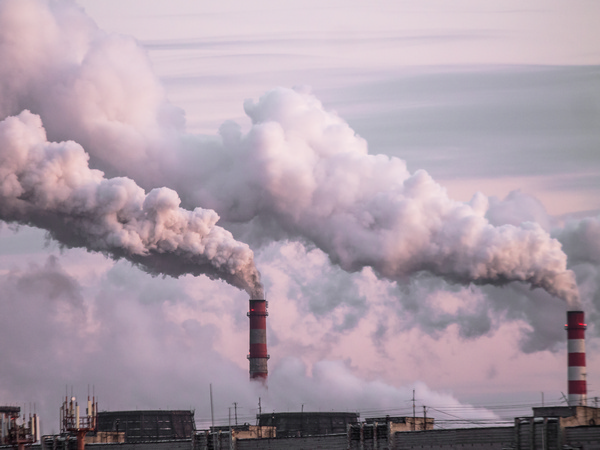
Accurately monitoring anthropogenic CO2 emissions is one of the most pressing climate science challenges . The difficulty lies in separating the relatively small, continuous fossil fuel combustion-associated atmospheric CO2 emissions (accelerating global warming) from the much larger – but mutually compensating – fluxes between vegetation, oceans and the atmosphere. The EU-funded CORSO(opens in new window) project addressed this challenge with additional types of observations and methods. Outcomes are advancing the anthropogenic CO2 emission monitoring and verification support system (CO2MVS) of the Copernicus Atmosphere Monitoring Service (CAMS).
Disentangling fossil fuel-related CO2 emissions from natural fluxes
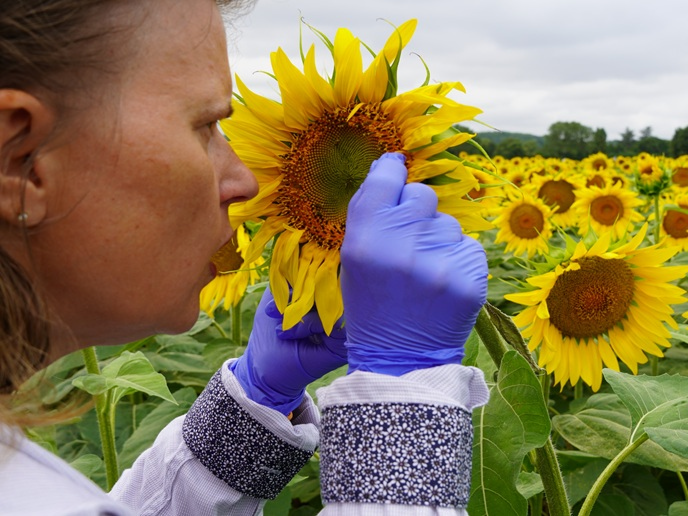
“Satellite observations of nitrogen dioxide and carbon monoxide concentrations in the atmosphere – resulting from some of the same combustion processes as CO2 but producing a much clearer signal – were linked to CO2 emissions. This improved the identification and quantification of fossil fuel-related CO2 sources,” explains project coordinator Richard Engelen of the European Centre for Medium-Range Weather Forecasts (ECMWF)(opens in new window). CORSO compared the new CO2-‘proxy’ data as well as the data in the global point source emission database developed in the predecessor CoCO2 project to satellite NO2 and CO data. The consistency between the database and the satellite observations was confirmed while some database gaps inaccuracies were revealed. The team corrected erroneous and missing power plant locations, updated country- and fuel-dependent emission ratios and reviewed the locations and capacities of Middle Eastern oil-fired power plants. “CORSO improved hotspot emission identification in Africa and Europe. Furthermore, we demonstrated that satellite observations of emission hotspots can be used not only to validate global point-source databases but to actively improve them,” Engelen adds. Focusing on vegetation, CORSO introduced in situ and satellite observational data. Radiocarbon is present in vegetation fluxes but not fossil fuel emissions, while ‘atmospheric potential oxygen’ primarily reflects fossil fuel emissions. The value of high-temporal-resolution ground-based observations was successfully confirmed using inverse modelling tests. Researchers also evaluated satellite observations of indicators of vegetation state and carbon fluxes between the land surface and atmosphere. These included soil moisture and solar-induced fluorescence (emitted by plants during the carbon fixation process). Both in situ and satellite vegetation approaches are now being implemented in the CAMS services.
Advancing the CAMS global monitoring system
The Integrated Forecasting System (IFS) of the European Centre for Medium-Range Weather Forecasts will form the core of the global CAMS CO2MVS system. CORSO’s outcomes are improving the IFS’s ability to monitor anthropogenic emissions. Most directly, the IFS will assimilate the satellite observations of soil moisture and solar-induced fluorescence to enhance its vegetation and carbon flux representations. The improved co-emitted species’ emission factors and uncertainties in prior fossil fuel emissions are improving the IFS’s estimates of combustion-related CO2 emissions.
Open resource for science and policy
“Estimation of anthropogenic CO2 emissions from observations of atmospheric concentrations is difficult. The project brought together multiple supplementary data sources, demonstrating their ability to improve the ability to distinguish fossil fuel emissions from natural fluxes,” concludes Engelen. Beyond advancing the CAMS CO2MVS, CORSO outcomes are very relevant for the wider scientific community working on a better understanding of the carbon cycle. They are also relevant for policymakers requiring reliable, verifiable emissions data at country and city scale. Project data, models and deliverables will remain accessible through both the project website and the Zenodo portal for the next four years, ensuring that advances in one of climate science’s most critical monitoring challenges remain openly available to researchers and decision-makers alike.