Digital twin concept delivers safer urban skies

Modern aircraft maintenance typically relies on fleet-wide schedules derived from worst-case design assumptions. This means that every aircraft in a category is maintained and retired at the same time, regardless of its actual operational history. “This one-size-fits-all approach is both costly and wasteful,” says AVATAR(opens in new window) project coordinator Marek Vančo from EVEKTOR(opens in new window) in Czechia. “Aircraft that have experienced lighter-than-average usage are retired prematurely, while those subjected to more severe conditions may be inadequately monitored between inspections.”
Digital twin for real-time analysis
The EU-funded AVATAR project sought to optimise the operation and maintenance of existing air vehicles through continuous real-time monitoring and support the safe deployment of novel materials and designs. To achieve this, the project team developed a scalable digital twin (DT) framework for real-time structural health and usage management. A DT is a virtual replica of a system that updates in real time using sensor data, artificial intelligence and analytics. “The framework was built around three integrated components,” explains Zahra Sharif Khodaei from Imperial College(opens in new window), United Kingdom who acted in AVATAR as the scientific coordinator. “First, a physical IoT sensing system provides continuous, lightweight, in situ measurement of structural response during flight.” The second component is a virtual prediction system with probabilistic machine learning for real-time damage diagnosis, while the third is a secure data communication platform linking the physical and virtual systems through on-asset edge computing and cloud-based processing. “Together, these components create a continuously updated virtual replica of each individual aircraft, one that reflects its actual operational history rather than a generic design assumption,” adds Sharif Khodaei.
Post-flight and aggregate flight analysis
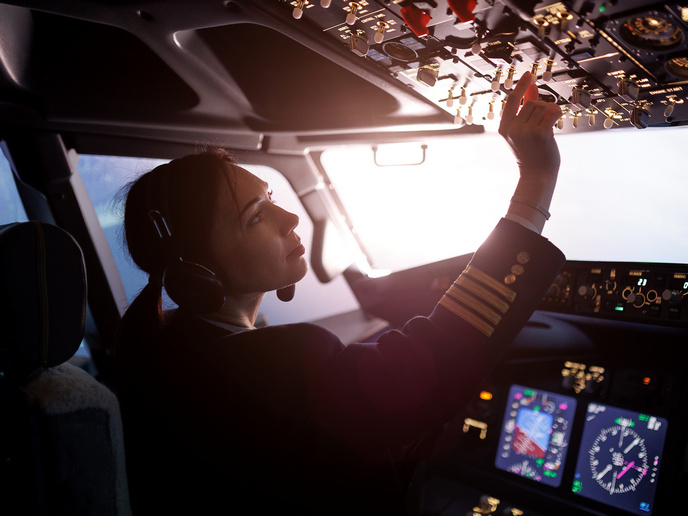
All three components were integrated into a cloud-based operational dashboard. This provided post-flight and aggregate flight analysis for two distinct user profiles – the structural analyst and the pilot. The project team then successfully demonstrated the efficacy of the DT concept, through test flights of an EVEKTOR manned aircraft as well as lab-based drone tests. “Each represented a different structural design philosophy and therefore required a distinct DT configuration,” says Sharif Khodaei. Real in-flight data was collected and processed through the full DT pipeline, validating the framework under genuine operational conditions for the first time. “The next challenge is scaling and commercialisation,” adds Vančo. “All three core components, the IoT sensing skin, the virtual prediction system and the communication platform are ready for further development toward certified, commercially deployable products.”
Engineering design, operational reality and safety
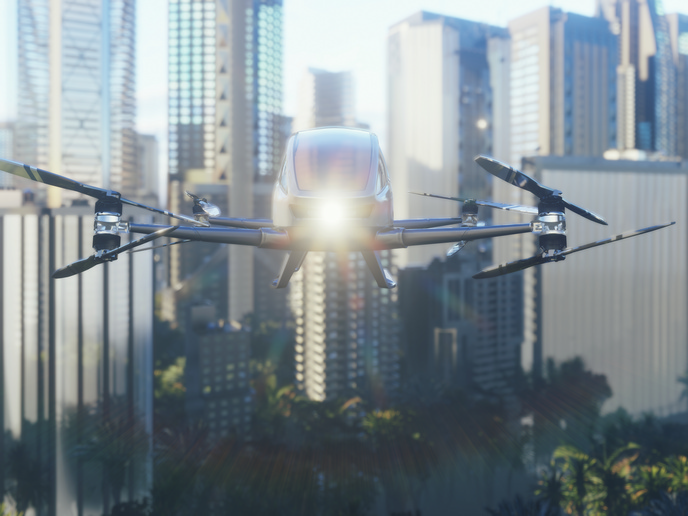
The AVATAR project team believe that their innovation represents a fundamental shift in how we think about the relationship between engineering design, operational reality and safety assurance. Through reducing unnecessary downtime, predictive, condition-based maintenance could translate into lower ticket prices and more sustainable operations. “In terms of aircraft design, continuously available real usage data could accelerate the certification of novel materials and configurations, including the composite and hybrid-electric designs that will define the next generation of sustainable aviation,” remarks Sharif Khodaei. Over the long term, the most profound benefit may be for urban air mobility. As electric air taxis and autonomous aerial vehicles begin operating in over-populated areas, public acceptance will depend on demonstrable, continuously verified safety. “The digital twin framework pioneered by AVATAR provides exactly that: a real-time, evidence-based assurance of structural integrity for every vehicle, every flight,” notes Vančo. “That capability will be essential for safely integrating transformative air vehicles into the urban environment and building public trust.”