Why the bonds between some plants and soil microbes ‘disappeared’

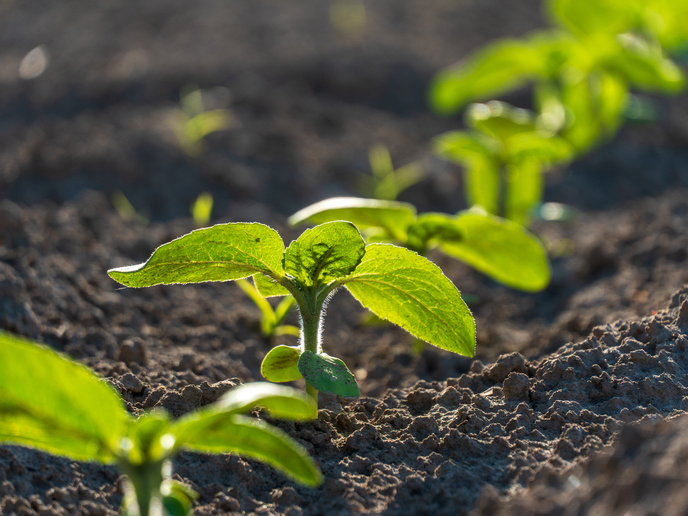
Mutualisms are mutually beneficial ecological relationships between different species, such as honey-seeking birds and humans. An ancient mutualism perhaps 450 million years old exists between land plants and soil microorganisms, which helps plants extract nutrients from the soil that may be out of reach. However, some plant groups appear to have lost this ancient bond. The reasons are still under debate, yet there are several hypotheses. For example, the evolution of other resource acquisition strategies such as carnivory and parasitism is strongly correlated to the loss of mutualism, explains Matheus Bianconi(opens in new window), an evolutionary biologist at the University of Toulouse(opens in new window). “This can be explained by the nutritional role of the symbiont for the plant,” he says. “Once this role becomes redundant, the ability to perform mutualism can be lost without costs for the plants.” Through the SYMBIOLOSS project, which was funded by the Marie Skłodowska-Curie Actions(opens in new window) programme, Bianconi and his colleagues investigated the repeated loss of mutualisms in land plants. The team sought to uncover genetic patterns which may explain whether giving up mutualism led to adaptive changes that compensate for the loss.
Retracing the history of plant-microbe mutualisms
The project used a phylogenomic(opens in new window) approach to identify genes and mutations controlling traits of interest, analysing the genomes of hundreds of plant species that either have or lack mutualism. They then applied statistical and phylogenetic tools to identify genetic changes that correlate with its presence across species. With candidate genes identified, the researchers cross-referenced them with other datasets and selected the most promising candidates to be validated in the lab. This work involved, for example, knocking out or overactivating genes. “Our team has successfully used this approach to map the genetic basis of symbiosis in plants,” notes Bianconi. “In this project, we used the same approach, but the other way round: looking at what is common to non-mutualist species.” The researchers expected this approach to reveal common genes or networks related to adaptive changes that have evolved independently in non-mutualists, as well as identify genes that were ‘repurposed’ after the loss of mutualism and had gained a new function.
Uncovering genetic changes
The findings suggested that the genetic changes that underlie the transition to a non-mutualist lifestyle are in fact lineage-specific, and that their abandoned symbiotic machinery might have served as raw material for novel adaptations to evolve. The team then investigated this hypothesis in depth using liverworts. “We were able to identify a membrane receptor that appears to be important for symbiosis, and that was repeatedly duplicated in non-mutualist liverworts,” adds Bianconi. “Likewise, we identified a gene with a potential role in nutrient metabolism that was lost in non-mutualist land plants species, except in mosses and some liverworts.” Both cases are currently being experimentally validated in the laboratory. “If confirmed, these would provide examples of symbiosis-related genes that were repurposed after the loss of mutualism,” remarks Bianconi.
Deeper investigations into the loss of mutualisms
This project has raised several questions, and the researchers expect to revisit them in the future, particularly when more genomic resources for non-mutualist species become available. “Today, a few plant groups are well-sampled, but many contain only one or a few species, which limits the power of phylogenomic analyses,” says Bianconi. “We expect to combine this with other types of omics data generated under controlled conditions, to be able to gain novel insights.”