



Regulatory-ready AI-based decision-support tool helps clinicians identify dementia risk early


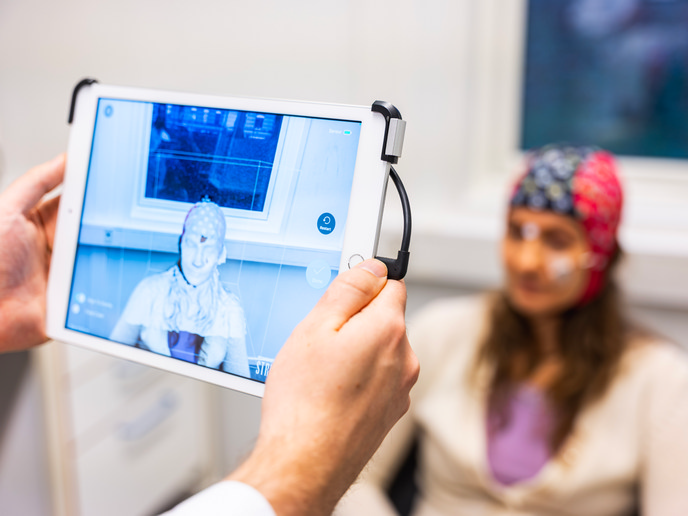
More than 10 million Europeans live with mild cognitive impairment (MCI), a condition between normal ageing and dementia and one of the greatest unmet brain health challenges. Around half will progress to dementia within five years. Currently, clinicians lack affordable tools to identify those at highest risk early enough for preventive intervention. Unlike previous studies focusing on a single biomarker, the ambitious EU-funded AI-Mind(opens in new window) project leveraged a multi-modal database made possible by its collaboration with leading hospitals and research centres across Spain, Finland, Italy and Norway. AI-Mind combined EEG-derived brain connectivity with blood biomarkers, cognitive assessments, genetics, demographic variables and clinical information. This data was integrated in an AI-based clinical decision-support system that could reveal future cognitive health risk long before mild symptoms worsen.
The ‘brains’ behind AI-Mind
Brain connectivity is analysed from recordings during a standard electroencephalography (EEG) exam. “Using advanced signal processing and AI, the ‘AI-Mind Connector’ spots subtle changes in communication between brain areas that can appear years before symptoms develop,” explains project coordinator Ira Haraldsen of the Cognitive Health Research group at Oslo University Hospital(opens in new window). The ‘AI-Mind Predictor’ combines this EEG data with cognitive test results, genetic data, blood biomarkers, demographic information and clinical history. Machine learning algorithms were trained and evaluated using one of the world's largest prospective longitudinal MCI cohorts, comprising more than 1 000 participants and approximately 4 000 clinical visits. They learned to recognise complex relationships linked to future clinical outcomes. “Brain network connectivity measures complemented emerging blood biomarkers even better than expected, heralding opportunities for more precise risk stratification,” notes Haraldsen.
Ensuring trustworthy and ethical AI
“AI-Mind anticipated Europe's emerging regulatory framework by aligning development with: General Data Protection Regulation (GDPR) principles; findable, accessible, interoperable and reusable (FAIR) data standards; the Medical Device Regulation; and the AI Act. Thus, it created one of Europe's first clinically oriented AI ecosystems designed with regulatory readiness from the outset,” underscores Haraldsen. The consortium’s publicly available early health technology assessment framework now helps healthcare providers and policymakers evaluate whether a new technology is likely to improve patient outcomes and justify its cost.
AI infrastructure legacy and sustained impact
“Beyond its clinical algorithms, AI-Mind established reusable infrastructure for multimodal health data, automated EEG processing, synthetic data generation, quality-controlled AI development and regulatory-compliant software pipelines. These resources now support several major European initiatives,” Haraldsen says. The AI-Mind infrastructure serves as the foundation for eBrain-Health, FluiDX-AD and TEF-Health(opens in new window), extending its scientific, clinical and technological impact well beyond the original project. A dedicated spin-off company is advancing clinical translation and commercial deployment, ensuring that AI-Mind's innovations continue beyond the lifetime of the project. Perhaps most exciting is AI-Mind’s potential to flag dementia risk years before a formal diagnosis would traditionally be made, shifting dementia care from reactive diagnosis towards precision prevention and personalised intervention years earlier than is currently possible.