Leveraging underutilised crops for more resilient agri-food systems

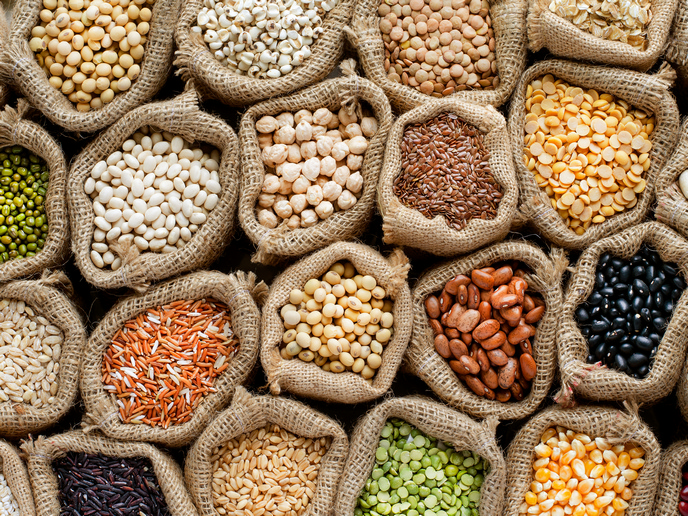
Cultivating a wide range of crops increases agricultural productivity(opens in new window) by promoting soil replenishment, controlling pests and improving crop resilience to environmental stressors. However, in recent years, this practice has been negatively impacted by factors such as climate change and shifting consumer preferences, leading to biodiversity loss and affecting human health. The EU-funded BIOVALUE project aims to change this pattern by reintroducing ‘forgotten’ crops into our diets and, subsequently, the European agri-food chain.
From fork to farm: reversing the trend to boost biodiversity
Underutilised crops often struggle to enter European food systems due to factors such as low consumer awareness, fragmented value chains and limited market incentives. To address this, BIOVALUE’s first line of action was to link biodiversity to real-market demand. “We connected consumers, food innovators, farmers and policymakers to show how underutilised crops can be economically viable while delivering environmental benefits,” says project coordinator Konstadinos Mattas, professor of Agricultural Economics at the Aristotle University of Thessaloniki. Deviating from the standard practice, BIOVALUE began from consumer preferences, dietary trends and health considerations, and then translated these insights into crop selection, breeding choices and farming methods. This ‘fork-to-farm’ approach facilitates the adoption of biodiversity-friendly crops in real markets.
Reviving neglected culinary gems
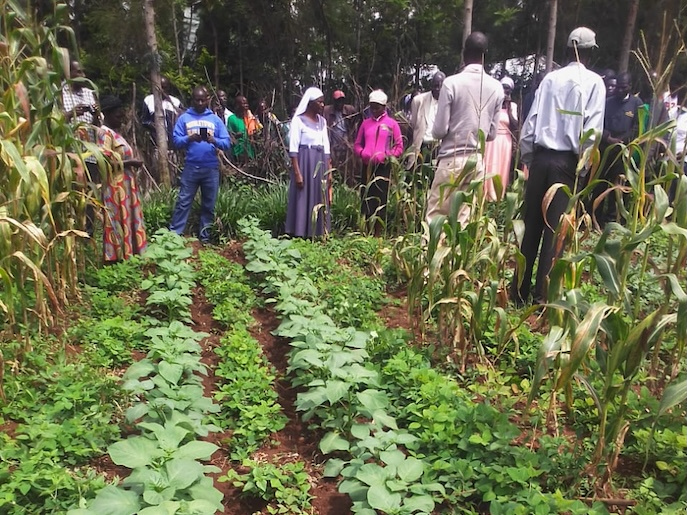
The project tested several cereals, legumes and horticultural species that have fallen off farmers’ radars in recent years. Many of these were found to be extremely climate resilient and very nourishing; for example, Sonchus oleraceus, a wild weed, proved to be not only delicious but also a nutritional powerhouse. A key finding from these trials was that genetic diversity within the studied crops often improved their adaptability and resilience against difficult conditions. Next, the project incorporated these crops into new food dishes(opens in new window), aiming to transform nutritional habits while creating a real market for underutilised crops. “When you choose a diverse food dish, you send a powerful message up the food stream, making it economically feasible for our farmers to move away from monocultures”, says Mattas.
Eating for sustainability and health: the gold standard
BIOVALUE was part of a study(opens in new window) that showed that the Mediterranean diet is our best choice for optimal health and for the environment: it encompasses enough variety and natural raw materials to safeguard both food security and human well-being. The crops BIOVALUE tested fit well into this model of eating.
Driving food-system resilience through simulation
The project team also developed a simulation tool(opens in new window) that aggregates data on farming systems, markets, biodiversity and consumer behaviour. The tool allows the user to explore different scenarios, showing them how various factors, for example, changes in demand or farming practices, can influence biodiversity outcomes and value-chain performance. The tool also features a chatbot service, enabling users to explore model results, ask practical questions and understand complex system interactions without prior technical knowledge. The simulation tool and the chatbot provide user-friendly, invaluable support to farmers and value-chain actors.
Towards a consolidated agri-food vision
The insights generated by BIOVALUE act as a roadmap for policymakers and agri-food stakeholders, guiding decisions on sustainable farming and innovative food product creation. Furthermore, project outcomes demonstrate how consumers can play a key role in this scenario: by choosing a diverse, seasonal and local diet, everyone can become an environmental activist, supporting farmers and helping Europe escape the destructive monoculture mindset. “Most importantly”, adds Mattas, “linking diet diversity with biodiversity awareness has shown to be a practical, powerful tool to alter the course of climate change.”