Pioneering pan-European screening for early detection of type 1 diabetes


The EU-funded EDENT1FI(opens in new window) project was launched in 2023 to bring general population screening and monitoring of type 1 diabetes to Europe, with a focus on early-stage detection in children and adolescents. Now midway through its term, EDENT1FI has successfully screened 100 000 participants across Europe – with plans to attract another 120 000 by the end of the project. There is no cure for type 1 diabetes. In this autoimmune condition, the pancreas produces little or no insulin, requiring lifelong insulin therapy for survival. Globally, approximately 9 million people are affected, including 300 000 children in Europe. In fact, type 1 is the most common form of diabetes in children and adolescents, with an estimated 31 000 new cases diagnosed across the continent each year. Since a simple blood test can detect the condition long before symptoms develop, offering the opportunity for timely intervention and improved patient outcomes, EDENT1FI is taking action to stop type 1 diabetes in its early stages.
New screening frontiers
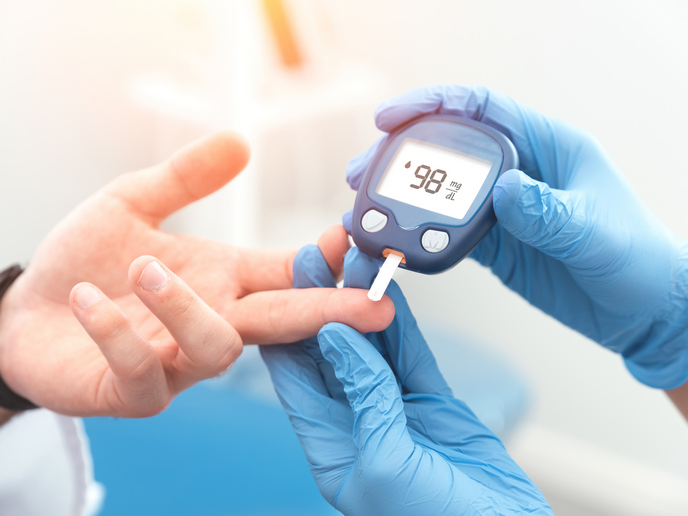
The project builds on the achievements of the Fr1da study(opens in new window) that pioneered early-stage type 1 diabetes screening in Germany. EDENT1FI has so far launched new screening programmes in Czechia, Poland and Portugal, while reinforcing existing initiatives in Denmark, Germany, Italy, Sweden and the United Kingdom. “Although it was initially uncertain whether the screening principles developed in Germany through the Fr1da study could be successfully applied in regions with entirely different healthcare systems, these programmes have already proven highly successful,” states Anette-Gabriele Ziegler, Investigator for Fr1da and Director of the Institute of Diabetes Research at project partner Helmholtz Munich, in a ‘EurekAlert!’ news item(opens in new window). “EDENT1FI’s success demonstrates that early-stage type 1 diabetes screening can be effectively implemented throughout Europe.” Screening took place across diverse settings, namely primary care, hospital, schools and homes. Even so, EDENT1FI managed to successfully harmonise antibody detection and data standards. By introducing central labs and rigorous quality control, the project has screened over 100 000 children at a rate of 6 500 monthly. “The expansion of screening programmes to other European countries will protect more children against serious metabolic derailments associated with later diagnoses of diabetes,” notes Peter Achenbach, Deputy Director of the Institute of Diabetes Research at Helmholtz Munich and Investigator for Fr1da and EDENT1FI in Germany. Requiring only a few drops of blood, the programme provides families with counselling and continuous support. Identified children receive close monitoring and access to early interventions, empowering families to manage the condition and avoid unexpected clinical onset. “Reaching 100,000 screened children is a major step for early-stage diagnosis of type 1 diabetes,” explains Chantal Mathieu, Professor at the Faculty of Medicine of EDENT1FI coordinator KU Leuven, Belgium. EDENT1FI aims to screen 220 000 children across Europe to detect presymptomatic cases. Mathieu observes: “With recently approved and future disease modifying therapies, diagnosing children earlier becomes even more meaningful. This milestone shows how collaboration is reshaping the future of type 1 diabetes care.” To further its efforts, EDENT1FI (European action for the Diagnosis of Early Non-clinical Type 1 diabetes For disease Interception) recently launched the ‘It’s in Your Hands’ website(opens in new window). The platform provides clear information on early-stage type 1 diabetes and screening initiatives across Europe, as well as materials designed to support families, healthcare professionals and policymakers, highlighting the critical value of screening in children. For more information, please see: EDENT1FI project website(opens in new window)