Hooked on transparency: transforming seafood traceability from fishery to fork

Europe’s seafood sector is one of the world’s most regulated, yet traceability remains fragmented. Consumers and businesses need reliable information on products throughout the seafood value chain. Beyond socioeconomic benefits, mandatory digital traceability is around the corner under EU Regulation 2023/2842(opens in new window). The EU-funded Sea2See(opens in new window) project responded by developing an end-to-end blockchain traceability platform for seafood value chains, combined with stakeholder engagement, consumer awareness tools and sustainability assessment.
Blockchain-based seafood traceability with market effects
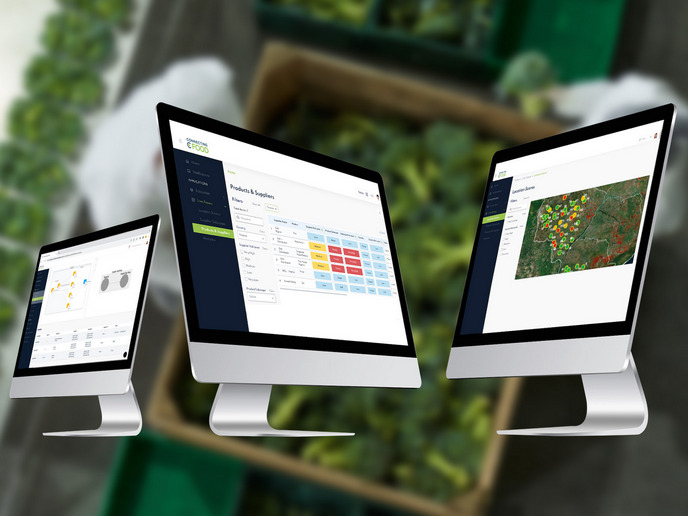
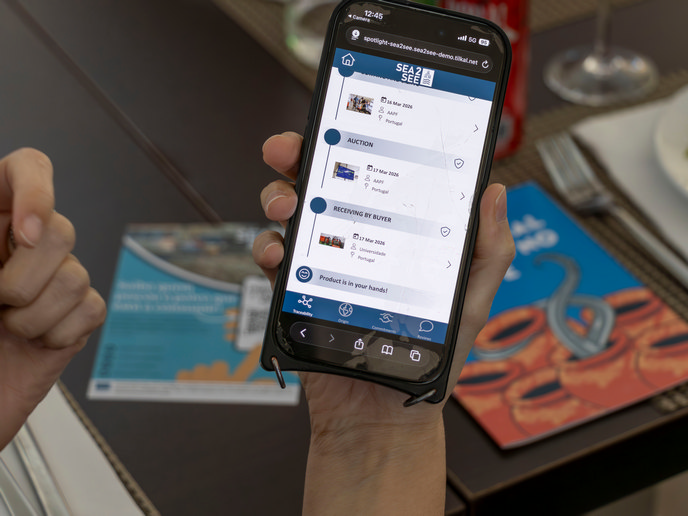
According to project coordinator Carlos Mazorra de Quero of Smartwater Planet, “Sea2See’s core innovation is its digital traceability platform, which uses blockchain technology as a tamper-proof shared digital record – logging every step of a seafood product’s journey from fishing ground or farm through processing, transport and retail.” The platform automatically integrates continuously collected farm data on water quality, feeding and production conditions from real-world aquaculture management systems. Sustainability indicators are recorded in real time and cannot be altered. “Sea2See makes verified, real-world sustainability data available across the entire seafood value chain for the first time,” notes Mazorra de Quero. Separate dashboards for value chain actors and consumers combine traceability data and sustainability indicators – consumers access the verified information through a simple app. This transparency has a deliberate market effect. Responsible producers gain credible, data-backed proof of their practices, helping them differentiate products and access higher-value markets. Simultaneously, unsustainable or non-compliant practices become harder to conceal. This could level the competitive playing field for responsible small-scale operations while valorising traditional knowledge, local food culture and culinary heritage.
Demonstrations across European fisheries, aquaculture and importers
Five real-life demonstrators spanning European seafood value chains tested Sea2See’s digital traceability tools. “The Algarve octopus fishery(opens in new window) in Portugal – where the octopus is closely tied to local gastronomy, coastal culture and ecotourism – addressed traceability gaps including dishonest practices by competitors,” Mazorra de Quero says. A booklet and recipe collection celebrate the product’s cultural heritage, positioning transparency as added value for coastal communities. A marine cage farmer of sea bream and sea bass in Greece, a small-scale trout producer in Spain and a meagre producer in Portugal using a sustainable recirculating aquaculture system all integrated their aquaculture management systems into Sea2See’s blockchain platform to address specific challenges. An importer of canned tuna from Ecuador and Peru tested whether the platform could deliver reliable origin, species, fishing grounds, supplier and sustainability information across complex international supply chains.
From compliance tool to competitive advantage
The Sea2See project demonstrated that success depends not only on technology but also on stakeholder engagement, consumer understanding and digital readiness. Digital traceability only creates value when information is simple and meaningful for all users – prompting a stronger focus on training and communication than originally planned. Public outreach was broadened through collaboration with the EU-funded FishEUTrust project at sea-to-plate-themed events of the United Nations’ Ocean Decade as well as the European Ocean Days of the Mission Ocean and Waters. “Beyond compliance, the platform proved its value in building trust across the entire seafood value chain and as a practical management tool. It enables earlier detection of production issues, better operational decision-making and new business opportunities,” concludes Mazorra de Quero. Sea2See integrated blockchain traceability, aquaculture monitoring, life cycle assessment, contaminant analysis and consumer engagement in one functioning system. This offers the research community and industry alike a scalable, replicable model for building trust, sustainability and resilience across Europe’s seafood future.