


Research and innovation for sustainable, climate resilient aquaculture and fisheries

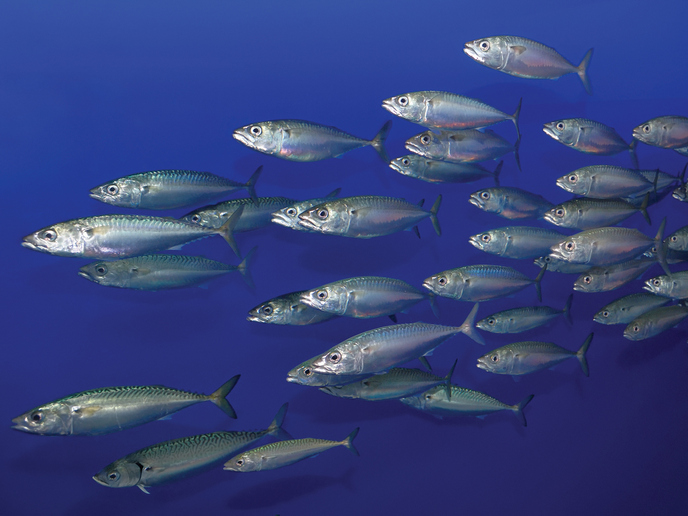
As our global population continues to grow, so does the demand for aquatic food, placing increasing pressure upon fisheries and aquaculture. In response to this challenge, the EU, the world’s largest market for seafood products, is leading the transition towards sustainable fisheries and the conservation of aquatic ecosystems. Furthermore, foods sourced from marine and freshwater environments play a key role in safeguarding Europe’s food and nutrition security. Therefore, the EU is funding research and innovation into futureproofing European fisheries and aquaculture by conserving fish stocks, protecting biodiversity and mitigating the negative impacts of a changing climate. Aquaculture is one of the world’s fastest growing food production sectors and an important part of the EU’s blue economy. It is also a major source of sustainable food under the European Green Deal(opens in new window). In addition, the common fisheries policy(opens in new window) (CFP) promotes the sustainable management of traditional wild capture fisheries by eliminating wasteful or harmful activities and preserving healthy and productive marine ecosystems.
A sustainable food source
This CORDIS Results Pack spotlights the importance of food from ocean and freshwater resources for global food and nutrition security and the potential for food production fully embedded in the wider aquatic ecosystem. The results also support the goals of the EU’s CFP and the sustainable exploitation of fish stocks as outlined under the Farm to Fork strategy(opens in new window). The work featured also aligns with the EU’s research and innovation policy framework, Food 2030(opens in new window), which prioritises nutrition for sustainable and healthy diets, climate resilience and environmental sustainability, circularity and resource efficiency as well as innovation and empowerment of communities. Highlighted projects include EU-funded research on aquatic food harvested by the fishing industry and farmed by the aquaculture sector to provide highly nutritious seafood while supporting direct and indirect employment in coastal and rural areas. They cover a wide range of fields, such as fish feeding and breeding, low trophic aquaculture, mesopelagic biota and ecosystem-based management, while focusing on the development of digital tools and platforms for fisheries control. They also include natural ecosystem processes that improve sustainability, efficiency and economic performance by recycling nutrients and reducing environmental impacts in open-water and on-land aquaculture.
Focus on EU-funded research
The second edition of this CORDIS Results Pack highlights 15 projects funded under the EU’s Horizon 2020 and Horizon Europe research programmes. These projects prove the need for improving aquatic food and nutrition security while contributing to the preservation of aquatic ecosystem integrity. The AquaIMPACT project investigated breeding and feed development in Atlantic salmon, rainbow trout, gilthead sea bream and European sea bass to reduce mortality, control quality and improve fish health and welfare. NewTechAqua created technologically advanced, resilient and zero-waste feeds by replacing wild-captured fishmeal and fish oil with by-products of fisheries, aquaculture and microalgae. CIRCALGAE transformed underutilised algae waste streams into high-value products, while NOVAFOODIES developed sustainable, highly nutritious functional foods and feeds, and improved cultivation techniques and processing technologies. AquaVitae optimised production of low trophic species like seaweed, abalone, oysters, mussels, sea cucumber and sea urchins. MEESO and SUMMER developed new technologies to estimate the biomass and distribution of mesopelagic species in the North Atlantic Ocean and the potential for developing new sustainable fisheries. ASTRAL established both open-water and land-based experimental integrated multi-trophic aquaculture systems, while SEAwise studied ecosystem-based fisheries management and translated it into a fully operational approach that decision-makers can deploy. BlueBio identified new ways to bring bio-based products and services derived from aquatic resources to market, creating new value chains and enhancing sustainability. Sea2See developed an end-to-end blockchain traceability platform for seafood value chains. VeriFish created a transparent framework and tools to assess and communicate the sustainability of seafood products, whereas FishEUTrust built a digital platform to improve seafood traceability, quality and safety. Fish-X, on the other hand, designed a secure and interoperable digital platform to foster the sustainable management of EU fisheries and protect marine biodiversity. Finally, EcoScope developed cutting-edge digital tools to promote and advance ecosystem-based fisheries’ management.
