
Augmented reality expands access at cultural heritage sites

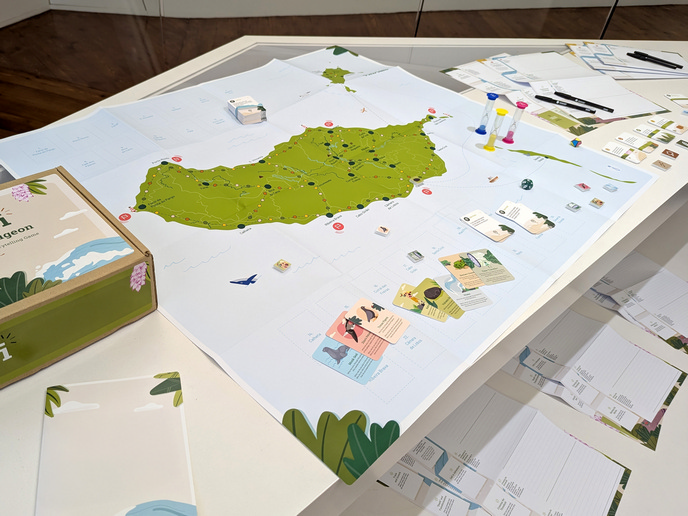
The digital revolution has changed every aspect of modern life, and it is set to transform how we interact with the past as well. Technology such as QR codes and audio headsets has long been available at museums, but advances in augmented reality(opens in new window) have made even more immersive experiences possible. As cultural heritage sites incorporate advanced technology, it is essential to pay attention to design features and ethical frameworks that promote the goals and interests of all stakeholders. The EU-funded LoGaCulture(opens in new window) project focused on how locative games can leverage technology to meet the needs of diverse audiences and cultural institutions.
A roadmap for locative games
The project performed a comprehensive review of locative games to uncover key mechanics and narrative conventions. One important observation is that locative games tend to be educational in nature: imparting knowledge is a priority. Locative games emphasise narratives, discovery and engagement, and game users prefer minimal screen interaction. As project coordinator Valentina Nisi points out, “These insights point towards a design space in which locative games function less as traditional games and more as forms of embodied, site-responsive narrative experience.” The review of digital design provides guiding insights for future locative game development. Tension between heritage preservation and public engagement demands co-creation by digital and cultural experts. Developers must also keep in mind the fine line between attention and distraction. The goal of locative games is to bring visitors into a closer, more reflective relationship with their heritage, not to impress them with digital bells and whistles.
Case studies at heritage sites
Diverse locations in England, Germany, Ireland and the Madeira Islands illustrate the potential of well-designed locative games. The Avebury Neolithic landscape in Wiltshire, UK is part of a 26 square kilometre expanse centred on stone circles. In Germany, the Senckenberg Natural History Museum in Frankfurt is a well-known museum featuring large dinosaurs. Case studies in the Boyne Valley of Ireland – the Battle of the Boyne site and the Hill of Tara – represent historical landmarks of high importance. The Madeira Islands of Portugal, located in the Atlantic Ocean off the coast of North Africa, are a unique natural environment, characterised by remoteness and rich biodiversity.
Augmented reality tools
The project developed and deployed different locative games at each location. A key instrument for game design was the LoGaCulture unity toolkit and engine (LUTE), developed by project partners in the UK. Researchers tested LUTE with local designers at a game jam. The engine was used to support games in multiple case studies. As Nisi shares, “LUTE gave designers early confidence to explore and experiment with locative games, which allowed them to try things out quickly. Designers working with adventure games or playful interactive narratives found LUTE supported them strongly.” In Madeira, the team deployed Biotopia(opens in new window), a transmedia experience integrating multiple technologies including screen-based interactions, wearable devices and site-specific AI bots. This solution is particularly mindful of the complex intersection of tourism, economy and biodiversity preservation. LoGaCulture has designed tools that employ multiple senses, deepen understanding of nature and history, and encourage thoughtful engagement with cultural heritage. In multiple ways, the project is designing games for the good of society.