Optimising water retention solutions across diverse agronomic contexts

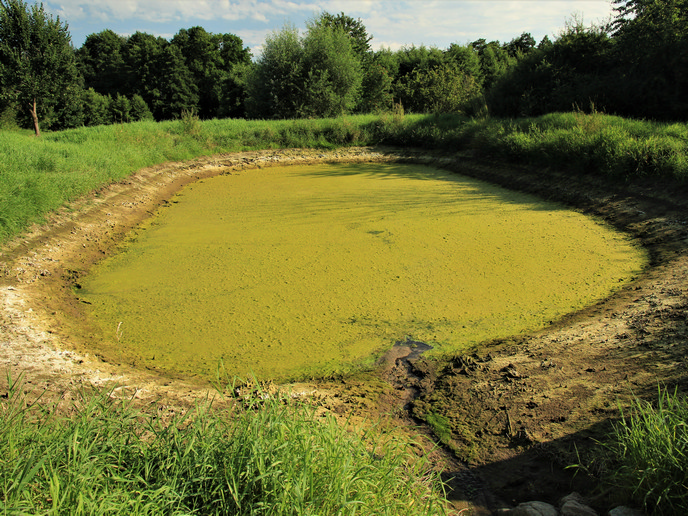
Europe is the fastest-warming continent in the world(opens in new window). As the climate shifts, extreme weather events such as floods, droughts and heatwaves become more frequent, putting a strain on water resources for both domestic and agricultural use. The OPTAIN(opens in new window) project developed an integrated approach to examine, at field and catchment level, the effectiveness of natural/small water retention measures (NSWRMs), a nature-based solution, aiming to increase their acceptance and uptake.
An NSWRM assessment toolkit
OPTAIN developed a harmonised framework comprising data, models and optimisation techniques to analyse water and nutrient dynamics across 14 small agricultural catchments that served as case studies. The team employed the SWAT+(opens in new window) model, which it further developed together with new tools to improve the spatial connectivity of modelling units as well as streamline management and data output workflows. SWAT+ results were cross-validated using the SWAP(opens in new window) model, which provided detailed data on soil water balance. OPTAIN then developed tools to identify effective spatial combinations of NSWRMs under varying environmental conditions. Furthermore, climate scenario analyses were carried out using global and regional climate model (GCM-RCM) chains to assess NSWRM performance under future climate projections.
Addressing regional research gaps
The 14 case studies were selected from the Continental, Pannonian and Boreal biogeographical regions, which represent different European climate zones with contrasting hydrological and agricultural conditions. Each case study focused on specific local environmental issues including floods, droughts, soil erosion and crop yield losses. “By jointly investigating these three regions, OPTAIN was able to broaden the European perspective, evaluate water retention measures across a wide climatic gradient and develop robust, transferable solutions in a targeted manner,” says project coordinator Martin Volk. The measures tested proved most effective when deployed strategically in hydrological ‘hotspots’ and in smart combinations (for example, conservation tillage, grassed waterways and retention ponds), achieving synergistic effects in water storage and nutrient management. “These combinations consistently outperformed individual measures,” emphasises project manager Felix Witing. Results from the case studies demonstrated that NSWRMs can significantly improve water and nutrient management while advancing modelling approaches for researchers and other water professionals. Among the project’s deliverables was a harmonised European NSWRM database(opens in new window), which is also available on WOCAT(opens in new window), the World Overview on Conservation Approaches and Technologies, one of the most comprehensive collections of measure characteristics, performance data and implementation contexts available today.
Long-term impacts and legacy
OPTAIN outcomes are expected to keep on improving the design, placement and uptake of NSWRMs across various European landscapes beyond the project’s lifetime. Its modelling framework, optimisation tools and region‑specific insights will support more resilient agricultural water management, reduce nutrient losses and strengthen climate change adaptation strategies in small catchments. The development of a transferable decision‑support tool will enable policymakers and stakeholders to evaluate effective NSWRM combinations. Project results have been disseminated via open‑access research repositories, policy briefs, stakeholder workshops and interactive learning tools, ensuring broad access. What is more, OPTAIN provided a set of modelling and optimisation guidelines that will serve as a transferable guide for future catchment‑scale water management initiatives across Europe. Overall, OPTAIN delivered a comprehensive and transferable foundation for evidence-based decision-making across a range of environmental and landscape conditions, positively impacting resource management and leading to more resilient agricultural systems.