Finding the perfect trees to clean air, support pollinators and cool down cities

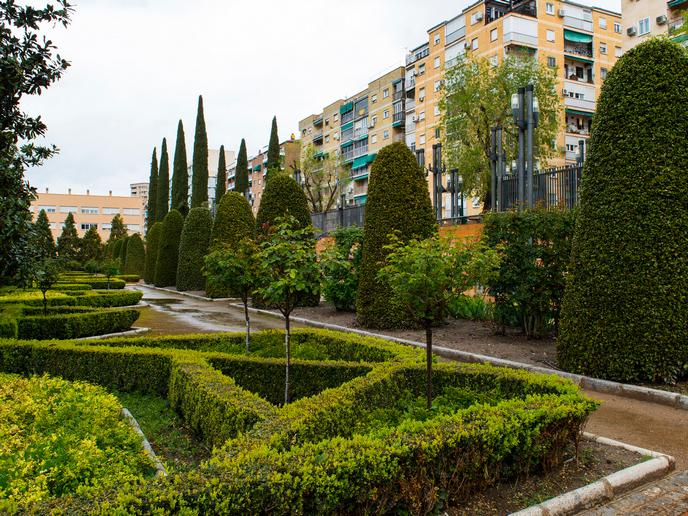
Cities invest heavily in trees because they offer a broad range of benefits, from improving air quality to providing shelter and food for wildlife. However, we do not always know which specific trees do these jobs best. Different goals often conflict with one another. For example, a tree that is great at cleaning the air might not be the one that residents prefer to have in their neighbourhoods, or it might not provide an ideal habitat for beneficial insects.
The science behind selecting better urban trees
With funding from the Marie Skłodowska-Curie Actions programme(opens in new window), the BioCiTrees(opens in new window) project explored how to choose the right trees in three cities in southern Spain to boost the physical and mental well-being of the people who live there. “The added value of BioCiTrees lies in its holistic approach, moving away from looking at one benefit at a time to see the big picture of how trees serve both nature and society,” comments project coordinator Nuria Pistón(opens in new window), professor at the University of Granada’s Department of Ecology(opens in new window). “It provides city planners with evidence-based tools to design green spaces that are scientifically effective, socially welcomed and ready for a changing climate.” The researchers set out to better understand how trees trap dust and support insects in Granada, Málaga and Seville. Then they tested how the resulting benefits change as the climate warms. “Ultimately, BioCiTrees found a balance between scientific performance and what people actually want in their neighbourhoods,” explains Pistón. A so-called unified ‘map’ is being developed that connects the physical features of trees, such as their leaf shape, to the actual benefits they provide, such as cooling the city or trapping pollution.
Growing greener neighbourhoods
The work will help cities to spend their money more wisely on green projects. By choosing the right trees, cities can reduce health problems related to air pollution, lower temperatures during heatwaves, and support essential nature, such as bees and butterflies that pollinate flowers. BioCiTrees researchers examined heat mitigation in Granada, a medium-sized city that is particularly vulnerable to climate change. They identified exactly where more trees were needed to cool down the city. The findings could inform urban planners on how to optimise street trees so that they absorb, release and manage heat in the best way possible. The research team measured how much fine dust different tree species can trap on their leaves. Fine dust is a major air pollutant, so knowing which trees trap the most dust will assist urban planners in selecting the right species to plant near busy roads or schools. The team also identified the types of insects living in trees to see which species best reinforce nature. Awareness raising, public outreach and knowledge transfer became a key focus during the project. To learn what residents value most about parks and streets, a questionnaire asked what they thought about green spaces and why they were important. “BioCiTrees went beyond just research by investing in the next generation,” concludes Pistón. “It involved teaching university courses, supervising several student dissertations, and conducting workshops at local schools to show young people how trees act as natural filters for pollution.”