Citizen science shapes policies supporting greener, fairer European cities


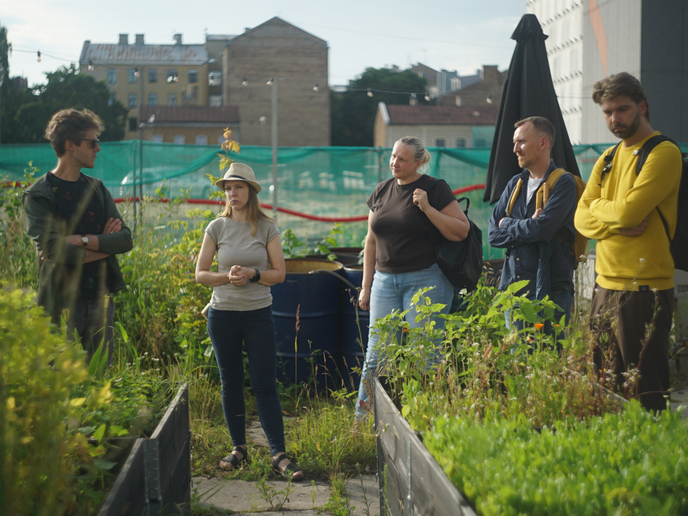
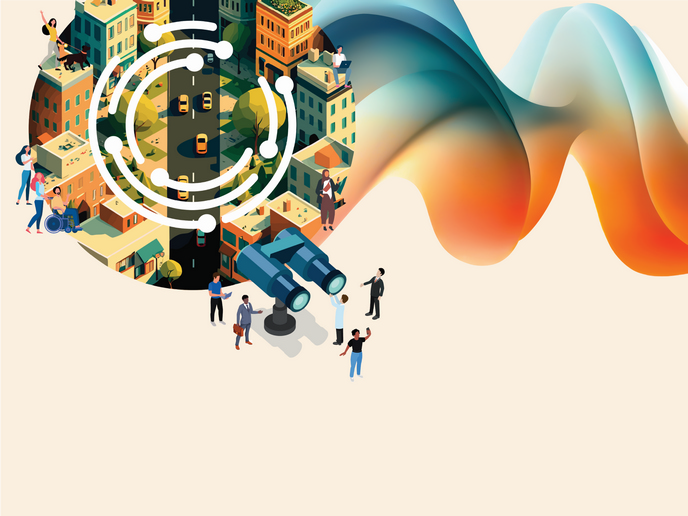
Cities increasingly face extreme heat, air pollution and shrinking green spaces. The citizens most affected often have the least say in planning decisions. Citizen science(opens in new window) – the active participation of the public in scientific research – offers a way to close that gap. The EU-funded Urban ReLeaf(opens in new window) project brought together residents – prioritising those with historically less of a voice – with researchers and city authorities to incorporate citizen-powered evidence and insight into plans for greener, healthier and more just cities.
Turning lived experience into trusted data
Over two seasons, more than 3 800 residents participated in six pilots across European cities, combining what they saw and felt with what sensors in their neighbourhoods measured regarding heat, air pollution and green spaces. The data was quality-checked for integration with a city’s official measurements and connection to policymaking. “In Athens, municipal street cleaners wore heat sensors during their shifts, bringing an exposed workforce’s experience directly into planning discussions,” explains Gerid Hager, a member of the Urban ReLeaf coordination team at the International Institute for Applied Systems Analysis (IIASA)(opens in new window). Utrecht residents recorded central neighbourhood temperatures 3 to 4 °C higher than those of the city’s official monitoring station just outside the city. In Mannheim, residents contributed to a community tree registry and shared how they experienced heat across the city’s public squares.
Citizen science becomes a policy tool
Resident-mapped thermal comfort data in Cascais now guides tree planting and shading in ‘discomfort hotspots’ and feeds into the city’s Green Spaces and Tree Protection Regulation. In Riga, a network of low-cost monitors hosted by residents and placed at public sites measured fine-particle pollution across the city, pointing to links between green spaces and lower traffic-related pollution. The Riga Urban Greening Plan has recognised citizen science as a complementary evidence source. In addition, Dundee residents, including communities often under-represented in public consultation, shared perceptions of green spaces that are now shaping the city’s scenario planning and open space strategy. Importantly, Urban ReLeaf’s approach fostered institutional change. “In all campaigns, city staff framed the questions, organised data collection and interpretation, and engaged with local communities, strengthening public authorities’ understanding of citizen science and building confidence in the evidence,” notes Todd Harwell of IIASA’s project coordinating team. The pilots highlighted success factors alongside challenges. An early and clear planning question helped align data collection with intended decision-making: ensuring sensor reliability via field testing and backup plans was necessary. Creative formats broadened reach, with artist commissions turning local data into public art such as Riga’s ‘Atlantis’ mural and Cascais’ park poetry, engaging residents who might not become involved otherwise. Reaching under-represented residents also depended on sustained partnerships with trusted local organisations rather than one-off recruitment. Above all, influencing policy took more than a single season. Running six pilots in parallel across both years enabled collaborative learning and refinement amongst cities.
Accelerating uptake and augmenting the positive impact of policy
The project’s methods, templates, tools and datasets are publicly available as toolkits(opens in new window) for local authorities planning similar campaigns on heat, air pollution, trees or green space quality. Its accelerator programme is helping other European cities adopt the approach, while a follow-on project, GENeCITY extends Urban ReLeaf’s work with digital twins and AI-supported planning. The Urban ReLeaf project showed that citizen science can complement conventional environmental monitoring networks, turning denser measurements, local knowledge and lived experience into evidence for policy. “Cities have always monitored their environments. Urban ReLeaf added what residents experience day to day and strengthened the trust that empowers citizen science to shape real planning decisions,” concludes Inian Moorthy of IIASA’s Urban ReLeaf coordination team.