Nanotech cuts the complexity and cost of frontier cancer therapy


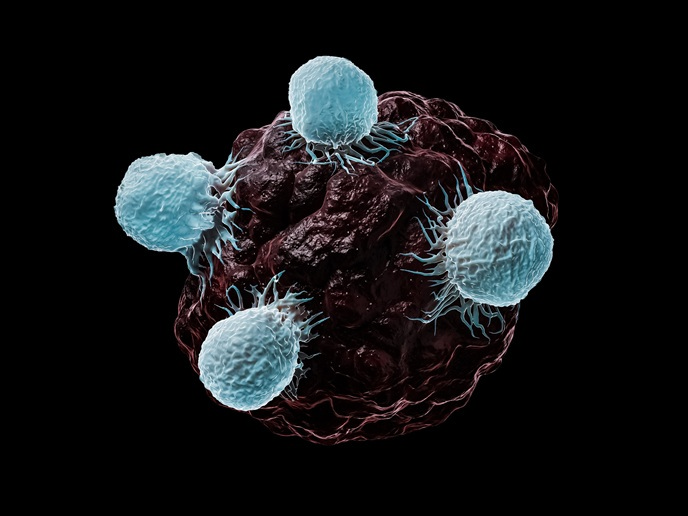
Chimeric antigen receptor T-cell therapy, or CAR-T, is at the forefront of cancer treatment. This breakthrough, personalised new immunotherapy works by genetically modifying a patient’s own T-cells (a type of white blood cell), programming them to seek and destroy cancer cells. “Conventional CAR-T works by taking a patient’s T-cells out, engineering them with viruses, and growing them over several weeks in specialised facilities before returning them to the body,” explains Raymond Schiffelers(opens in new window), vice-president of preclinical R&D at NanoCell Therapeutics(opens in new window) and professor of nanomedicine at Utrecht University(opens in new window) in the Netherlands. While CAR-T has proven to be one of the most effective cancer therapies available, its complexity and cost – up to EUR 300 000 per treatment – keeps it out of reach of most patients. But that could change, thanks in part to the work being done by the NANO-ENGINE(opens in new window) project, supported through the European Innovation Council(opens in new window) (EIC).
Taking CAR-T cell manufacturing off the factory floor
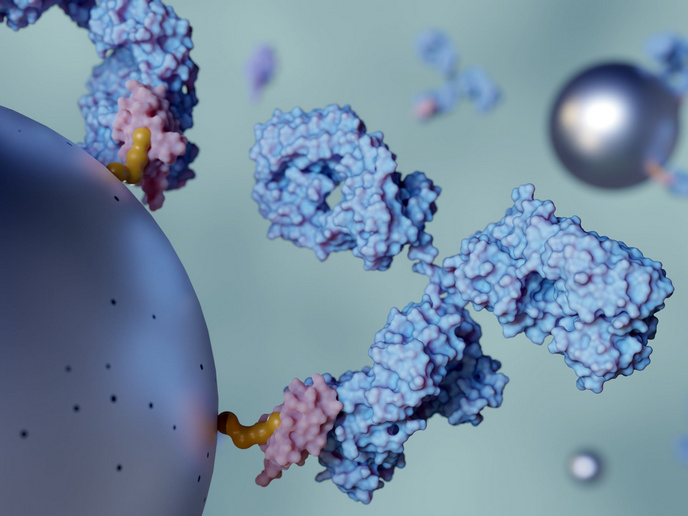
Led by Utrecht University, the NANO-ENGINE consortium(opens in new window) set out to show that CAR-T cells can be made inside the body rather than in a manufacturing facility. “We wanted to establish a proof of concept for a first-in-class, DNA-based, non-viral platform capable of reprogramming T-cells directly in the body using a single injection of an off-the-shelf targeted nanoparticle,” says Schiffelers. The NANO-ENGINE proof of concept centres on a lipid nanoparticle, similar to that used in some COVID-19 vaccines. Instead of containing mRNA, the NANO-ENGINE particle encapsulates minicircle DNA encoding CAR (instructions on how to target and attack the cancer), together with a ‘Sleeping Beauty’ transposase – a non-viral enzyme that can insert these new genes into a chromosome. To ensure that the cells take up the payload, researchers decorated the resulting nanoparticle with binders that can recognise T-cell surface markers. Furthermore, because the transposase integrates the CAR gene stably into the genome, the CAR expression is more durable than it would be with mRNA. “We showed that just a single intravenous dose of this targeted nanoparticle generates functional CAR-T cells in vivo, controls tumour growth and significantly extends survival in a leukaemia model – all at doses well below those used with an mRNA approach,” adds Schiffelers. The project’s breakthrough results are published in the ‘Journal for ImmunoTherapy of Cancer’(opens in new window).
More patients could benefit from CAR-T therapy
By producing CAR-T inside the body using a single, non-viral particle, the NANO-ENGINE project opens the door to more patients benefiting from this breakthrough therapy. The work aligns with the ambitions of the Strategic Technologies for Europe Platform(opens in new window) and bioeconomy strategy(opens in new window), and helps to deliver the EU’s Mission: Cancer(opens in new window) goal of broadening personalised medicine. “Our in vivo, off-the-shelf approach removes the ex vivo manufacturing step entirely, which could dramatically lower costs, shorten time to treatment from weeks to effectively a single injection, and make the therapy available far beyond a handful of specialised centres,” concludes Schiffelers. Furthermore, because the platform is modular, the same concept can be redirected to other targets and, in time, to autoimmune disease and solid tumours. Consortium members are now working to scale up the platform towards clinical development via the EIC-funded NANOCAR project, as well as the AGTC European Research Council Advanced Grant(opens in new window) awarded to Schiffelers.