Unravelling the secrets of Atlantic Ocean microbiomes

The Atlantic, the second largest of the world’s oceans, is home to a great variety of life forms, from the largely unseen microbial world to formidable sea creatures. This diverse environment provides a plethora of ecosystem services and is an essential factor in climate regulation. As such, a better understanding and management of this vast resource would drive marine environmental research forward, delivering important gains for sectors such as aquaculture, sustainability, biotechnology and environmental monitoring. The EU-funded AtlantECO(opens in new window) project engaged 36 partners from Europe, Brazil and South Africa. The aim was to explore the dynamics of Atlantic ecosystems, offering new insights into the Atlantic microbiome(opens in new window) and its role within the Earth system.
Scouring the sea for insights
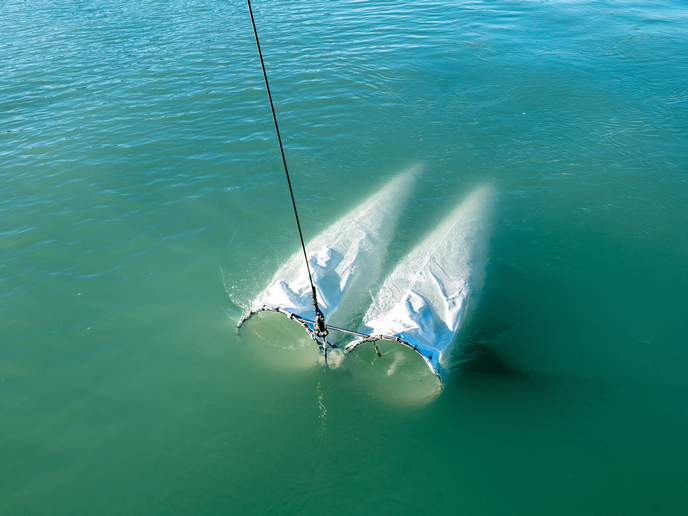
Between 2020 and 2023, six flagship expeditions and five third-party cruises led by AtlantECO partners and collaborators carried out sea missions to generate new observations on Atlantic Ocean dynamics. The teams combined their expertise on molecular biology, ecology and oceanography, and put to the test cutting-edge approaches such as metagenomic data analysis and mathematical modelling. They delivered best practices for sampling and biobanking as well as indicators and predictors for ecosystem status. Open and standardised datasets on the Atlantic microbiome created a solid foundation for future oceanic research. “AtlantECO created a detailed picture of the microorganisms living in the Atlantic Ocean and of their connections with other organisms and their environment,” explains project coordinator Daniele Iudicone, outlining the core of the project work. Another pillar of the research involved studying the interactions between marine microorganisms and the plastisphere(opens in new window). The project also investigated the interconnection between physical ocean processes, such as temperature and resource availability, and the movement of organisms, nutrients and other materials across the ocean.
New frontiers in marine biotechnology
AtlantECO’s innovations included an autonomous instrument for collecting environmental DNA samples; genetic sensors to assist aquaculture facilities in the early detection of harmful organisms or changes in water quality; and a low-cost lab-on-a-chip system for the rapid detection of toxin-producing algae. The project also placed focus on bioprospecting(opens in new window). The team developed AtlantECO-META, a resource that harmonises metagenomic data from across the Atlantic, giving industry stakeholders access to the genetic diversity of marine microorganisms. Findings can be tested and developed further for applications such as pollution monitoring, new enzyme discovery and more sustainable production processes. A key finding involved the identification of genomic ‘dark matter’ in marine microbes. The function of these genes remains unknown, but AtlantECO highlighted their importance for metabolism, ecological interactions and adaptation. “We have started to reduce this knowledge gap using innovative large-scale genomic data with AI, protein-structure prediction and molecular dynamics modelling,” says Iudicone.
Diving into the future of oceanic research
AtlantECO translated its discoveries into policy-ready recommendations, providing evidence and guidance for integrating marine microbiomes into biodiversity protection, ocean governance and sustainable blue economy strategies. Furthermore, the project placed great emphasis on engaging the public with its developments through various media outlets, publications, the regular release of news updates and the AtlantECO podcast(opens in new window), which released 55 episodes during the project’s lifetime. Building on the work, AtlantECO aspires to continue its legacy via follow-up projects that will focus on metabolic modelling and marine biotechnology. “This information could improve predictions of how marine ecosystems respond to environmental change and help identify areas that should be prioritised for protection,” concludes Iudicone.