



Bridging citizen science and law to protect the environment


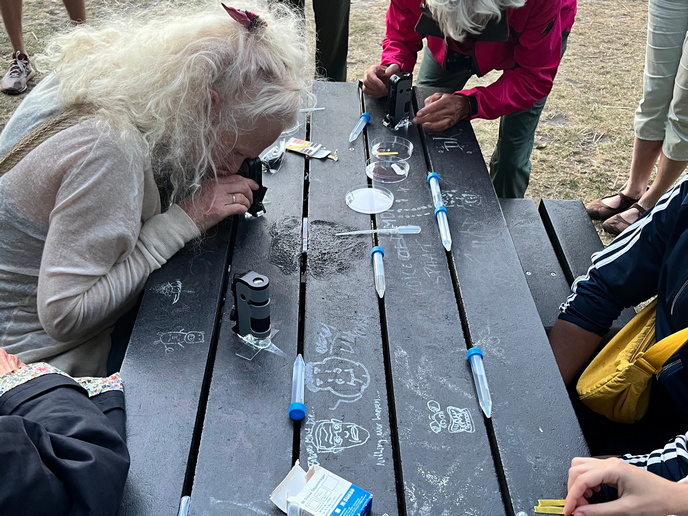
Environmental laws across Europe are strong but, given limited resources, authorities cannot continuously monitor every river, forest, or industrial site. Citizens often spot pollution, fires or unusual environmental changes first but their data does not always meet legal standards for action by authorities. Now at its midway point, the four-year EU-funded ENFORCE(opens in new window) project is connecting citizens, researchers, environmental organisations, technology providers and public authorities to turn observations into evidence regulators can trust.
Collaborative environmental compliance in action
Eight case studies across seven countries are monitoring pollution, water quality, soil contamination, forest management, waste, biodiversity and environmental crime. “These activities are already informing regulatory decision-making while showing that environmental compliance is closely connected to public health and healthy cities,” notes Chrysi Laspidou, professor of civil engineering at the University of Thessaly and ENFORCE scientific coordinator. In East Devon, 100 volunteers completed roughly 3 850 water quality surveys. These have been combined with Environment Agency data and satellite imagery to flag pollution hotspots. The Agency is now considering how citizen-generated data can inform regulatory decisions. “In Barcelona, three multi-stakeholder working groups tackling marine biodiversity, tobacco and vaping litter, and wet-wipe sea pollution joined the city’s Citizen Science Office, where they are contributing to common monitoring protocols,” adds Laspidou. A separate institutional working group is examining the application of extended producer responsibility(opens in new window) rules to this waste.
Identifying pillars of success and remaining gaps
Living labs in each case-study area are helping teams build trust and define shared priorities with local stakeholders; beginning with the compliance need is improving the relevance of the technical work. When involved in defining how citizen science data is collected, authorities are more likely to consider the data; likewise, citizens stay engaged when they know how their input is used – so ensuring better feedback is essential. The first project phase has revealed differences in legal evidence rules between countries and uneven access to official or historical data. As demonstrated, combining citizen, official and satellite data provides a fuller picture than any single source.
Assessing data readiness
“Citizen-generated data does not have to be court-room ready – it can raise an early alert or target an inspection long before supporting legal action. To enable this, ENFORCE is developing the Data Readiness Level for Environmental Compliance (EC-DRL) framework, inspired by the ‘technology readiness level’ scale,” explains Laspidou. The EC-DRL shows how ready a dataset is for a given purpose. The project is also building digital tools and adapting existing applications such as GeoQuest(opens in new window) to report wildfires and illegal dumping. An explainable artificial intelligence (XAI)(opens in new window) tool helps users examine photographs of waste or species and see how the XAI reached its conclusion. All data and tools are aligned with FAIR data principles and the EU’s Green Deal Data Space.
Resources support replication and scaling
The consortium is combining case study action plans into wider replication guidelines alongside common protocols to keep citizen science data collection and reporting consistent. The ENFORCE Plaza, the project’s online hub, will let multi-disciplinary users and citizens find environmental data and maps, reporting tools, legal guidance, training resources and success stories in one place. Furthermore, ENFORCE is engaging with other projects, including MoRe4nature, and has fed evidence into EU policy including the Circular Economy Act. Citizen science does not replace authorities – it extends their reach with local, frequent observations. “http://bit.ly/3RV7YhW (ENFORCE) is creating a practical bridge between citizen’s observations and official action, testing how collaborative environmental compliance can work and be replicated elsewhere,” Laspidou concludes.