Digital platform protects people and animals from sand fly diseases

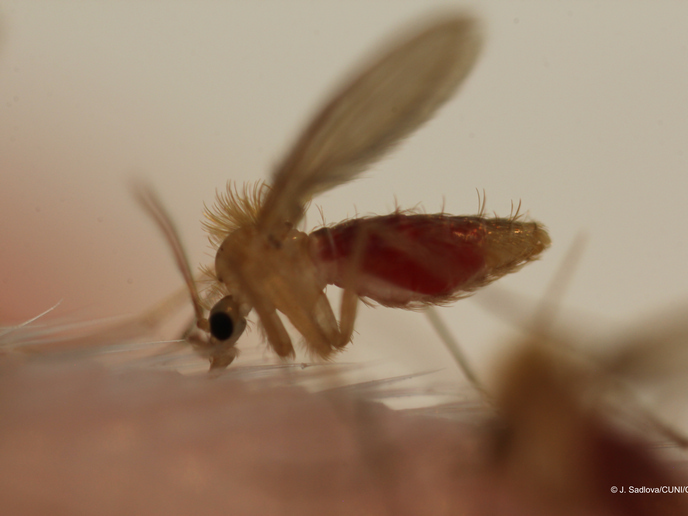
Sand flies transmit serious parasitic and viral diseases, but they get much less attention than mosquitoes. This is concerning because they carry sand fly-borne diseases (SFBDs), especially leishmaniasis, that could spread to new areas, flare up again or intensify. SFBDs could also spread to populations that are less exposed. Even though sand flies spread dangerous diseases to people and animals, they are often overlooked as a major health threat across Europe. This stresses the need for effective One Health(opens in new window) monitoring and forecasting tools to predict disease risks, pinpoint vulnerable populations and help officials make timely decisions.
Anticipating and managing SFBD risk
To address these issues, the CLIMOS(opens in new window) project developed an early warning system(opens in new window) comprised of climate sensors and prediction models. It incorporates these two elements into a fully interoperable open-access online platform that provides key information on sand fly distribution and risks in different regions across Europe. By anticipating changes in sand fly activity over the coming week and month, the early warning system helps public health professionals, researchers, decision-makers and communities to take proactive measures to protect communities and improve response strategies. It empowers this broad range of stakeholders to be better prepared, mitigate risks and reduce the impact of SFBD diseases in a changing climate. To improve understanding of SFBD risks in Europe, the project partners generated data from over 115 000 sand fly specimens across 12 endemic or potentially endemic countries. The results identified a wide variety of Leishmania and Phlebovirus pathogens circulating at the same time, while dog surveillance showed strong geographical differences in exposure. Findings also demonstrated that European sand flies may transmit pathogens beyond their usual ranges, highlighting potential new transmission cycles. Climate and environmental modelling further identified key factors that affect sand fly distribution, suggesting suitable habitats could be more widespread than currently recorded.
Strengthening Europe’s SFBD response with practical support
The scientific results were translated into several tools: training materials(opens in new window) for veterinary and public health professionals to detect sand flies and to better understand, recognise and manage canine leishmaniasis; guidelines(opens in new window) to raise awareness about the health risks posed by sand flies; additionally, three policy briefs(opens in new window) on SFBD surveillance and prevention, risk landscapes and cost-benefit considerations for leishmaniasis control. “CLIMOS connects surveillance, predictive modelling, risk assessment, decision support and practical interventions within a One Health framework, turning complex scientific evidence into information that can support preparedness and action,” comments project coordinator Carla Maia, principal researcher at NOVA University of Lisbon’s Institute of Hygiene and Topical Medicine. “Through co-creation with stakeholders, including public authorities and health ministries in endemic countries, the project ensured that the tools, scenarios and recommendations addressed real-world decision-making needs and could support their integration into preparedness strategies.” A toolkit(opens in new window) brings these resources together to make public health preparedness easier and more resilient, while supporting climate and health policies in the EU and around the world. “Together, all the outputs provide a practical pathway from evidence to preparedness,” concludes Maia. “CLIMOS supports a shift from reacting to outbreaks to anticipating and preventing them.”