Transforming air quality data into actionable insights


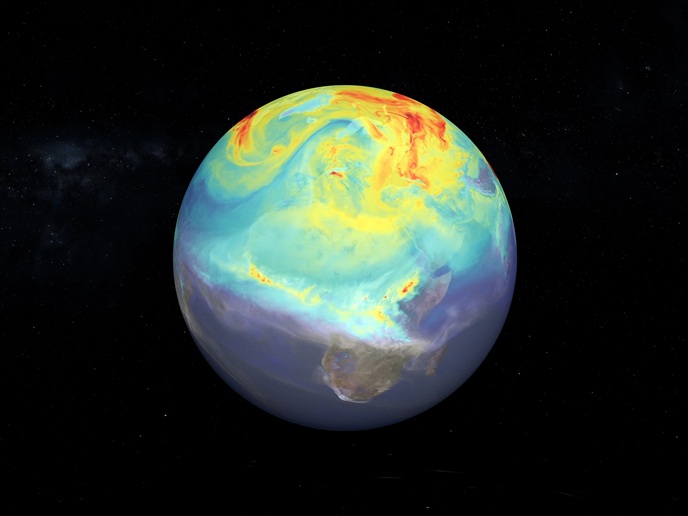
The Copernicus Atmosphere Monitoring Service (CAMS)(opens in new window) plays a vital role in the effort to monitor the air we breathe and the greenhouse gases in our atmosphere. As part of the EU’s Copernicus programme, CAMS provides free, continuous data on atmospheric conditions, directly supporting global policies on pollution, sustainability and clean energy. The EU-funded CAMEO project was established to keep this service at the cutting edge. “Effort was dedicated to making sure that CAMS is ready for new satellite missions, particularly geostationary ones that provide frequent updates,” notes project coordinator Johannes Flemming. CAMEO worked to improve how Copernicus combines satellite data with models to create better regional and global forecasts. “Equally important, we developed improved uncertainty information, namely we quantify uncertainties in CAMS products, so users have a clearer picture of what the data really means for them,” adds Flemming.
Preparing for new satellite data
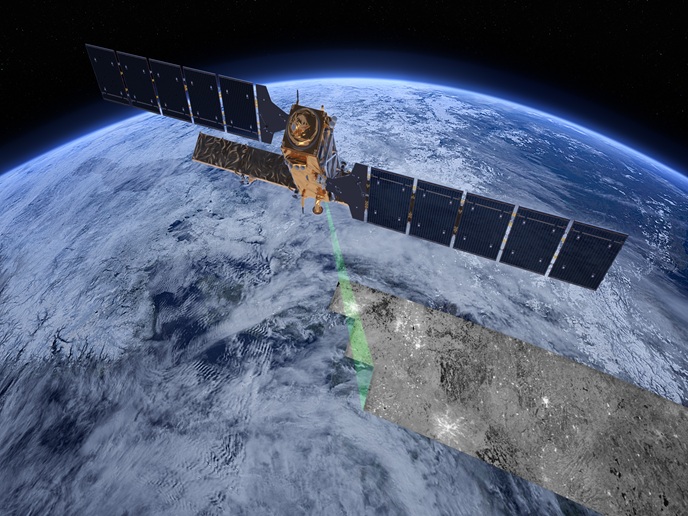
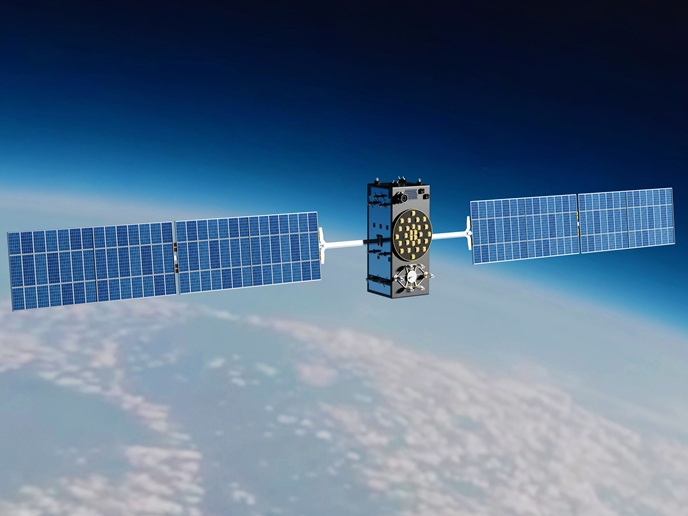
A major focus involved preparing CAMS products to handle data from new geostationary satellites, including GEMS and TEMP and upcoming, Sentinel-4(opens in new window). Researchers also harmonised how forecasting systems and satellite retrievals represent aerosol behaviour, including how they block and scatter sunlight, and in which direction. “A key achievement was harmonising assumptions about how aerosols interact with light between forecasting models and satellite data retrieval methods to improve data consistency,” highlights Flemming. “We also succeeded in assimilating radiances affected by aerosols with the Integrated Forecasting System(opens in new window). Several regional CAMS models now use sulfur dioxide data from the Sentinel-5P satellite, and preparations are underway to include carbon monoxide and formaldehyde. In Europe, researchers added aerosol data from a ground-based lidar network into the CHIMERE model, enhancing vertical aerosol observations. Testing was also conducted to prepare for future satellite data such as nitrogen dioxide from the Sentinel-4 satellite and ammonia from the IRS-MTG satellite. These efforts will lead to improved operational air quality forecasts over Europe by CAMS.
Tracing nature’s emissions
Another breakthrough was estimating the natural emissions of isoprene, a compound released by plants, by leveraging satellite observations of formaldehyde. To achieve this, the team developed a simplified model of how isoprene behaves in the atmosphere. Ground-level data saw major upgrades as well. The team extended databases for surface radiation, dust, nitrogen and sulfate deposition to improve data quality. They also developed a new data-driven method to reduce uncertainties in CAMS solar radiation products by focusing on factors such as cloud cover. They even analysed how dust settles over oceans and how it affects solar energy facilities. Significant improvements were made to quantify the uncertainty of CAMS emissions data, CAMS products for the solar radiation industry and deposition fluxes. Furthermore, CAMS tools for supporting policy makers in planning emission reduction measures and attributing the causes of air pollution were refined.
Challenges and the road ahead
“A significant challenge in preparing CAMS products for upcoming satellite missions is that actual satellite data does not exist yet. Because certain satellites (e.x. 3MI and Sentinel-4) are not yet operational, researchers must rely on proxy or synthetic data for testing and development,” remarks Flemming. “This makes it difficult to prepare fully because the exact error characteristics of the real data remain unknown.” While satellite data already improves CAMS regional and global forecasts, its positive impact could be boosted. Moving forward, a key priority is to clearly communicate the uncertainties in CAMS emissions and policy products to different users, ensuring everyone can use this information effectively. CAMS users have welcomed the availability of the uncertainty information for selected CAMS products but an intensive dialogue with the users is still required to tailor this information to the specific requirements of the applications areas.