Regenerating Europe’s cities with nature-based solutions

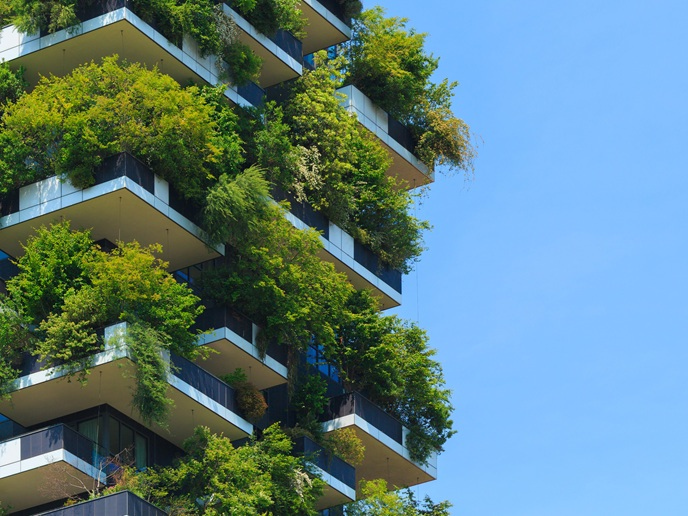
Urban areas across Europe are dealing with rising temperatures, polluted air, flooding from stormwater runoff, shrinking biodiversity and degraded soils. For many dense, heavily built-up cities, reducing these pressures is no longer enough. The EU-funded Upsurge(opens in new window) project set out to show how cities can actively restore natural functions through nature-based solutions (NbS). These interventions use or mimic natural processes to address environmental and social challenges. “This broader urban transformation requires not just technical NbS, but also data, long-term maintenance, suitable procurement, stakeholder engagement, financing and governance,” explains Ksenija Napast, assistant to the project coordinator. “Upsurge addresses these through real-life demonstrations, monitoring, digital tools, labs for stakeholder cooperation and a validated NbS knowledge base and reference framework.”
NbS in practice
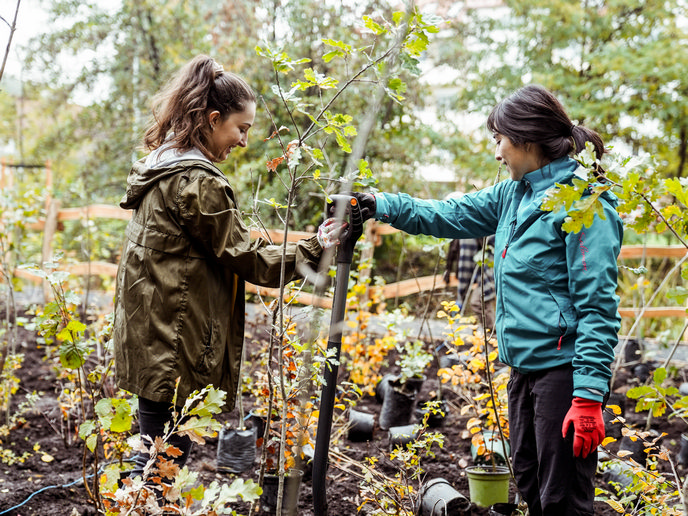
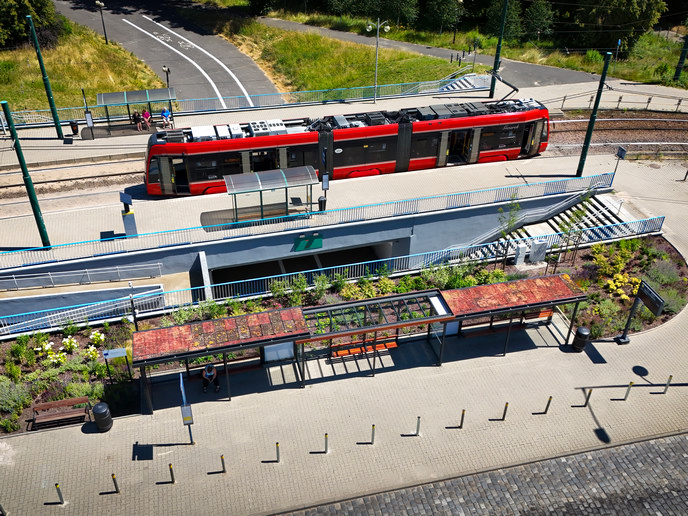
Upsurge worked across five pilot cities: Budapest (Hungary), Breda (the Netherlands), Katowice (Poland), Maribor (Slovenia) and Belfast (United Kingdom). Each implemented NbS was tailored to local conditions through Place Labs, collaboration spaces where residents, end users, experts and city partners worked together to test and validate NbS interventions. In Maribor, green corridors, pocket gardens and green-blue infrastructure – features that incorporate both vegetation and water – were established along the river and in fragmented neighbourhoods, restoring ecological connectivity and providing accessible green space. In Belfast, a flood-prone, degraded site was transformed into a living lab with wetland and meadow elements, community growing spaces and soil restoration work. Residents of Budapest co-created distributed rain gardens in sealed courtyards and paved areas, planting and maintaining green infrastructure that improves water infiltration, reduces heat and builds community ownership. A 1960s neighbourhood in Breda dominated by concrete was reimagined with green parking areas, infiltration zones and community gardens that reduce heat stress and improve water management. In Katowice, four public transport stops and a spot at the market square were converted into green micro-oases, with unsealed pavements, green roof shelters, low-maintenance plantings and sensors measuring temperature and air quality. The pilots demonstrated that NbS can address several challenges at the same time, including climate resilience, biodiversity, stormwater management and quality of life. “They also showed that successful implementation depends not only on the physical intervention, but on local engagement, co-creation and long-term maintenance,” notes Napast.
A framework built to last
Project partners consolidated the knowledge, tools and field experience into the European Regenerative Urban Lighthouse(opens in new window), a structured framework for cities. Organised around four pillars – resources hub, marketplace, consultancy services and capacity building – it gives practical, evidence-based support for selecting, designing, implementing and scaling NbS. At the heart of the Lighthouse sits the Urban Regenerative Development Clearinghouse, a knowledge repository that links specific needs to relevant project outputs, helping cities assess whether a proposed NbS is technically, environmentally, socially, financially and spatially viable. Other tools include the Regenerative Index, a self-assessment instrument to help them identify priorities for action, and the CitiAir app(opens in new window), which gives citizens and local authorities live information on air quality and a map of local NbS. Integrated into the UrbanByNature(opens in new window) platform from ICLEI - Local Governments for Sustainability, the Lighthouse keeps Upsurge’s results accessible to cities, experts, investors and other stakeholders long after the project’s end. Upsurge work and outcomes provide a lasting foundation for evidence-based urban regeneration across Europe.