Using a virus to optimise the use of immunosuppressive drugs

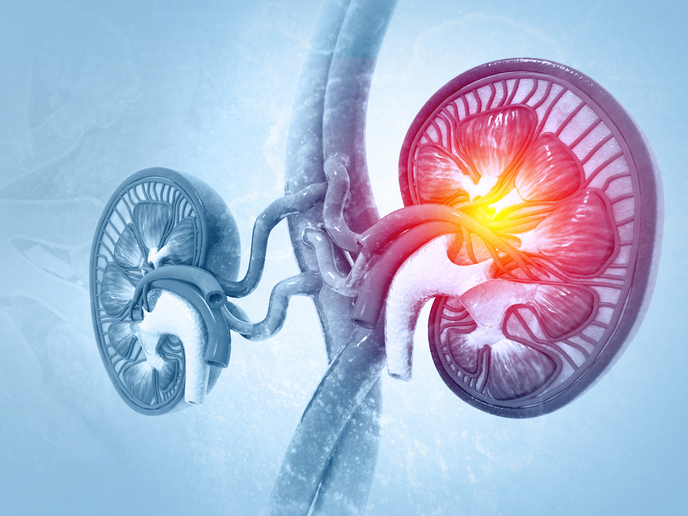
Kidney transplantation is the gold standard for treating end-stage renal disease – the final, irreversible stage of chronic kidney disease. But the procedure is a little more complicated than swapping organs. That’s because when the body gets a new kidney, the immune system registers it as a foreign entity that must be destroyed. To counter this attack, doctors use immunosuppressive drugs. However, these drugs only work if prescribed in the right amount. Take too little and the new kidney is rejected, but take too much and the immune system is weakened, increasing the risk of infection – or death. “While graft rejection due to insufficient immunosuppression is the leading cause of transplant dysfunction, infectious disease due to reduced immunocompetence is a common cause of death in transplant recipients with a functioning graft,” says Gregor Bond, an associate professor at the Medical University of Vienna(opens in new window). “Therefore, optimising the immunosuppressive regimen to simultaneously reduce rejection and infection is crucial to prolonging patient and graft survival.” Unfortunately, physicians don’t have a crystal ball they can use to find the right balance. What they do have is the torque teno virus (TTV).
TTV as a natural ‘immune-ometer’
TTV is a newly discovered, non-disease-causing virus that naturally occurs in the blood of almost every healthy person and kidney transplant recipient. According to research conducted by the EU-funded TTV GUIDE TX(opens in new window) project, if a patient’s immune system is strong, the TTV load will be low, indicating a high risk that the new kidney will be rejected. But if the immune system is weak, the TTV load will be high, indicating a high risk of infection. “We believe that the quantification of the TTV load in a patient’s blood can help optimise the immunosuppressive drugs prescribed and thus reduce the risk of both infection and kidney rejection,” explains Bond, who coordinates the project.
Demonstrating the safety of TTV-guided immunosuppression
To find out, the project tested the TTV-guided dosing of immunosuppressive drugs in a clinical trial involving hundreds of kidney transplant recipients from across Europe. “This trial showed that TTV-guided immunosuppression is safe in adult, stable and low-risk kidney graft recipients in the first year post kidney transplant,” adds Bond. The data also suggests that TTV-guided immunosuppression can increase the personalisation of immunosuppressive drugs and, in doing so, reduce drug doses.
A first step to introducing TTV guidance into routine clinical care
In addition to the completed proof of concept trial that other research groups can build directly from, the project leaves behind: a validated, standardised and clinically deployable biomarker assay; a substantial biobank resource; and empirical ethical, legal and societal issues data on trial participation and consent. “Our project represents an important first step to introducing TTV guidance into routine clinical care, where it has the potential to reduce thousands of infections and kidney transplant rejections every year,” concludes Bond. The research team now looks to take a deep dive into the data generated during the project to better understand how to optimise the design of a phase III trial – a trial that will test the efficacy of TTV-guided immunosuppression.