Speeding up hope for rare neuromuscular diseases


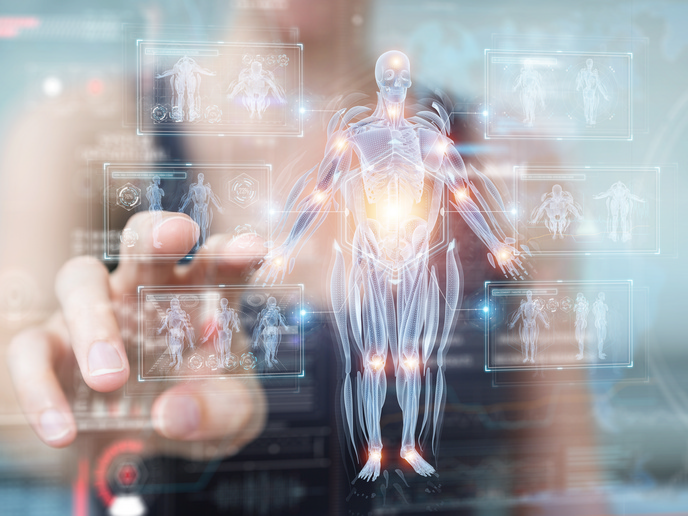
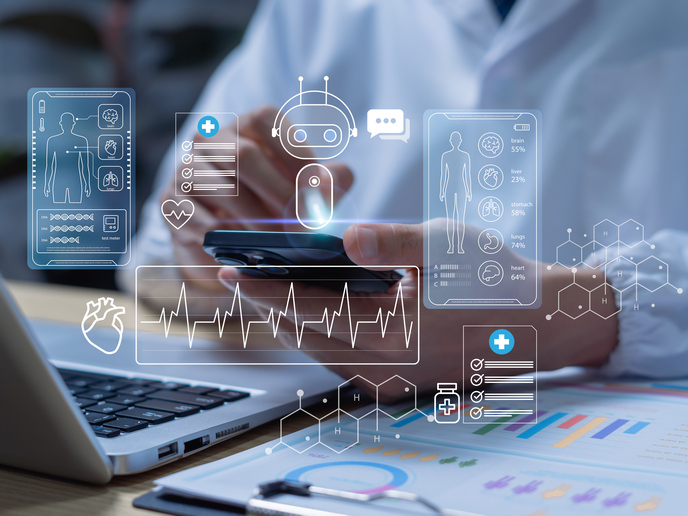
AI may be gaining increasing attention in rare disease research, but how is it actually being applied to rare neuromuscular diseases (NMDs) today? On 15 October 2026, experts working on applications in this field are coming together to address this question in a webinar(opens in new window) titled ‘Artificial Intelligence for Rare Neuromuscular Diseases: From Early Diagnosis to Drug Discovery and Clinical Translation’. The webinar is organised by DREAMS(opens in new window), an EU-funded project launched in 2023 to discover new treatments for rare NMDs that currently have no cure. The upcoming webinar will move beyond theoretical discussions to showcase concrete applications of AI across the rare NMD landscape. Over 75 minutes, three expert speakers will dissect specific stages of the research and healthcare pathway where AI, machine learning and data are making a tangible difference. Gohun Seo from South Korean rare disease genetic testing company 3billion will present methods for earlier screening and diagnosis, while Rubal Ravinder of DREAMS project partner Kantify, an AI-driven drug discovery company based in Belgium, will detail how machine learning is accelerating target and drug discovery in rare NMDs. Christopher Rudolf of Swiss medical tech manufacturer Volv Global will explain how population-scale real-world data can bridge the diagnostic gap, bringing to the surface patients who remain invisible to current healthcare systems and connecting them with eligible therapies. A live question and answer session with the speakers will be held following the presentations. Participation is free, but those interested in joining must register(opens in new window) beforehand.
The gap between clinical success and regulatory approval
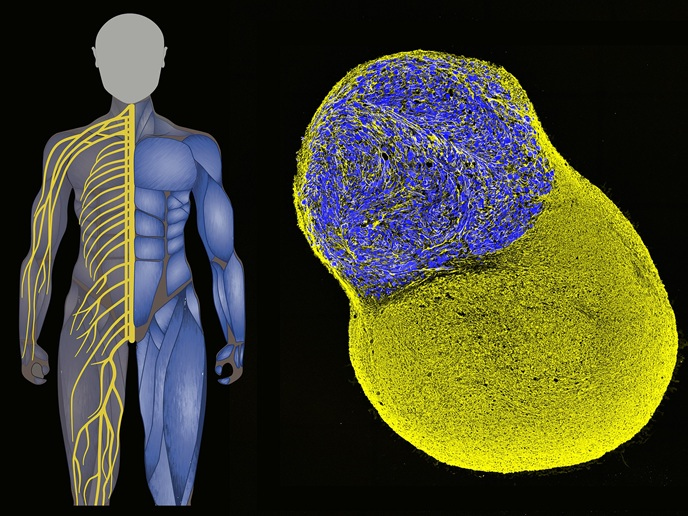
Complementing this forward-looking dialogue, the DREAMS consortium has just published a critical study(opens in new window) in ‘Drug Discovery Today’ that maps the persistent barriers between clinical evidence and regulatory approval in drug repurposing. Analysing 47 clinical trials for rare diseases, the research reveals a stark “translational gap”: while 66 % of completed trials met their efficacy endpoints, only 39 % received marketing authorisation by a major regulatory agency. The study also highlights a significant “sponsor gap”, noting that even though academics led 64 % of trials, industry-sponsored trials were far more likely to secure approval than those conducted by academic institutions. Furthermore, it identifies a “visibility gap”, where two-thirds of relevant studies were found only through web-based searches or grey literature rather than standard databases. This highlights the urgent need for better data infrastructure and academic-industry partnerships to turn promising clinical evidence into authorised drugs. These initiatives are central to DREAMS’s mission to revolutionise the discovery of treatments for rare NMDs with no known cure by combining AI and induced pluripotent stem cells. The project focuses on five specific conditions – dynamin 2 centronuclear myopathy, Duchenne muscular dystrophy, Emery-Dreifuss muscular dystrophy type 2, Pompe disease and Danon disease – for which it is working to identify shared drug targets and therapeutic candidates. The DREAMS (Drug Repurposing with Artificial intelligence for Muscular disorderS) project is slated to reduce the time and cost of drug development while expanding the range of treatable conditions. Ultimately, this will offer new hope to patients suffering from these devastating diseases. For more information, please see: DREAMS project website(opens in new window)