Making healthier and more sustainable diets a reality in Sweden

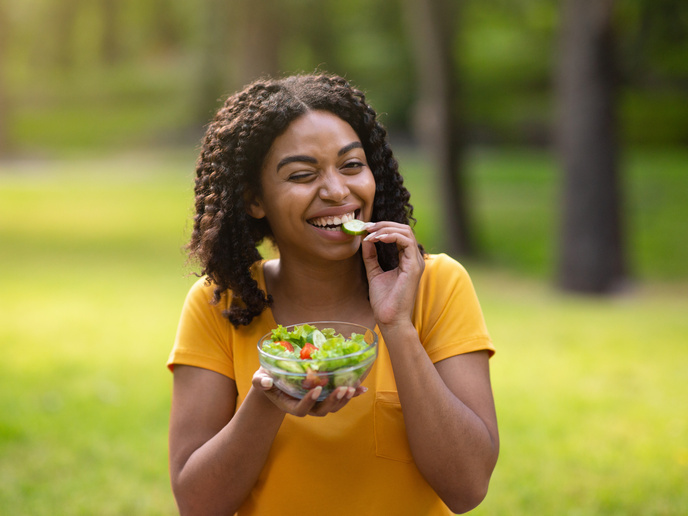
Since its launch in 2023, the EU-funded SWITCH(opens in new window) project has been helping to speed up EU citizens’ transition towards healthy and sustainable diets. To do this, it has used innovative strategies and technologies that focus on dietary patterns of six different regions, or food hubs, in Europe, one of which is the Västra Götaland – one of the most populated regions in the country. The project’s successful efforts so far in this Nordic hub have now led to additional funding from Formas, Sweden’s government research council for sustainable development. One of the challenges SWITCH has faced in the Västra Götaland region was to increase innovation and production of regional healthy and sustainable foods. Led by Swedish project partners Chalmers University of Technology and Swedish state-owned research institute RISE, the focus there has been on boosting consumption of whole grains, fruits, vegetables and sustainable seafood in schools, homes and public kitchens.
Next steps in Västra Götaland
With newly approved funding granted by Formas through its ‘Action! From research to impact’ call, project actors can apply the experiences and working methods developed so far in actions with a clear, measurable societal value. One example is the Fullkornslyftet initiative, through which 10 000 schoolchildren in the Västra Götaland region will be encouraged to eat more whole grains. Barriers and enablers for further dissemination will also be identified through this initiative. There are also other initiatives in the works. One is the development of a whole grain label and criteria for marking whole grain products in stores. Another is using targeted behavioural interventions to create healthier food environments in sports settings. Plans are also being made to develop a future-focused menu language that helps people make healthier, more sustainable food choices, and to equip health guides in Gothenburg with the tools they need to support healthier eating among vulnerable groups. “It’s fantastic that we have received funding from Formas to scale up the implementation of what has been developed in the SWITCH project,” comments Chalmers University of Technology professor Rikard Landberg in a news item(opens in new window) posted on the university’s website. “This is proof that what we have done in the project works. And now we can take it further, we want to see increased consumption of foods that are good for both the planet and people’s health on a large scale. It will make an impact.”
Beyond Sweden
In March 2025, SWITCH launched its Diet Marathon, a series of interactive events designed to redefine food consumption patterns in Europe. The marathon started in Sweden, with scheduled stops at its other five food hubs in Germany, Spain, France and Italy. On 28 November, the Marathon reached Rome(opens in new window), where project partners conducted a consumer survey, tested a food innovation, engaged in open dialogue and held a round-table discussion. Through this initiative, researchers, institutions, farmers and citizens were able to come together and envision local solutions for a healthier and more sustainable food system. SWITCH (Switching European food systems for a just, healthy and sustainable dietary transition through knowledge and innovation), having joined forces with the projects FEAST and PLAN’EAT, now invites policymakers to join a webinar(opens in new window) exploring the European Commission’s vision for agriculture and food systems. Titled ‘Beyond Production: A Holistic Vision for Europe’s Food Future’, the webinar will be held on 30 January 2026. The agenda will be shared in early January. For more information, please see: SWITCH project website(opens in new window)