Bringing clarity to seafood sustainability and eco-label claims

Seafood is among the world’s most widely traded food products, but buying it responsibly is rarely as simple as it should be. Consumers are faced with a growing number of eco-labels, incomplete traceability data and sustainability claims that are often difficult to verify or compare. The EU-funded VeriFish(opens in new window) project worked to bring greater clarity to this landscape by developing a transparent, science-based framework and tools to assess and communicate the sustainability of seafood products.
Measuring seafood sustainability
The VeriFish indicator framework(opens in new window) is a structured, multi-dimensional system that assesses seafood across three core pillars: nutrition and health, environmental performance and socio-economic conditions. Integrating 84 indicators, the framework is designed to reflect the full complexity of seafood systems. “Environmental performance, socio-economic conditions and nutritional contribution are not interchangeable dimensions,” says project coordinator Sara Pittonet. “They respond to different drivers, rely on different types of evidence and answer different questions.” The environmental pillar covers habitat pressures, climate-related impacts, waste and effluents, water use and animal welfare. The nutritional pillar draws on species-specific food composition data to provide transparent, traceable information on nutrient content – without making dietary recommendations. The socio-economic pillar assesses broader conditions that influence responsible seafood production, including labour risks, health and safety protections, anti-discrimination measures and the strength of regulatory frameworks. A key strength of the framework is its alignment with FAIR data principles, meaning data is findable, accessible, interoperable and reusable. By linking global datasets from sources including the Food and Agriculture Organization of the United Nations, the World Health Organization and FoodEx classification systems, VeriFish creates a unified structure that supports comparisons across species, production systems and regions. All data is consolidated in the VeriFish knowledge base, a shared resource providing unified, quality-checked access for stakeholders.
Seafood sustainability data made accessible
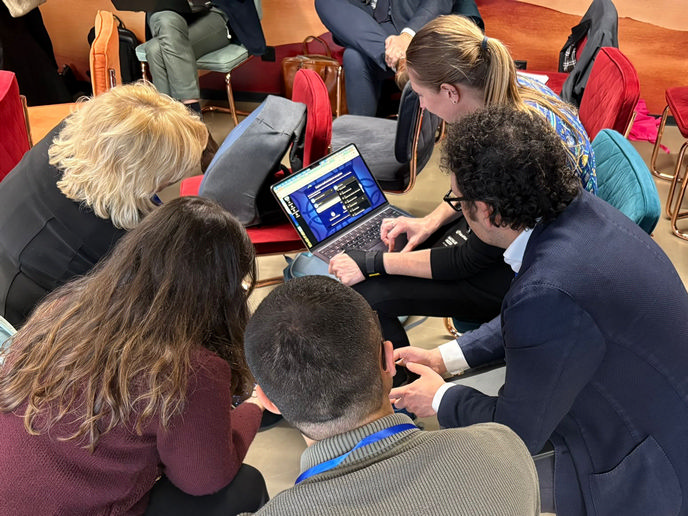
The knowledge base and the framework are implemented through the VeriFish web and mobile app(opens in new window), currently a working prototype. It turns complex sustainability data into accessible information for consumers, producers and policymakers. Covering hundreds of seafood species, the app allows consumers to explore species fact sheets, fishers and producers to share verified data about their practices and buyers to access key information on origin and impacts at the point of purchase via personalised QR codes. “The app addresses a gap between data availability and usability, contributing to greater transparency and trust in communicating seafood sustainability,” says Pittonet. Alongside the app, VeriFish produced a CEN Workshop Agreement(opens in new window) offering good practice recommendations for organisations designing seafood communication campaigns. This European standardisation document is aimed at public and private bodies seeking guidance on how to reach and influence consumer groups effectively and within budget. “In the longer term, the recommendations aim to contribute to increased consumption, production and availability of sustainable seafood,” adds Pittonet. Beyond technical outputs, the project experimented with new communication formats, including a cookbook, an educational card game, posters and guidelines for communicating sustainability. The response from consumers and stakeholders was encouraging. “People are not tired of sustainability information; they are tired of unclear, abstract and generic messages,” says Pittonet. “There is a real appetite for sustainability communication when it is credible, practical and easy to understand.”