Europe’s seafood supply chain: transparency fosters trust and sustainability

Europe’s seafood sector faces a growing transparency and consumer trust challenge. Its supply chains are complex, fragmented and often opaque – making it difficult for consumers to know where their fish comes from, how it was produced or whether its production is sustainable. The EU-funded FishEUTrust(opens in new window) project responded by building a transparent and traceable digital seafood ecosystem connecting producers, technology providers, policymakers and consumers. It improves communication and embeds sustainability across environmental, economic and social dimensions while supporting the European Green Deal(opens in new window) and its Farm to Fork(opens in new window) strategy to achieve a climate-neutral, trusted seafood system by 2040.
Integrated digital platform for end-to-end seafood traceability
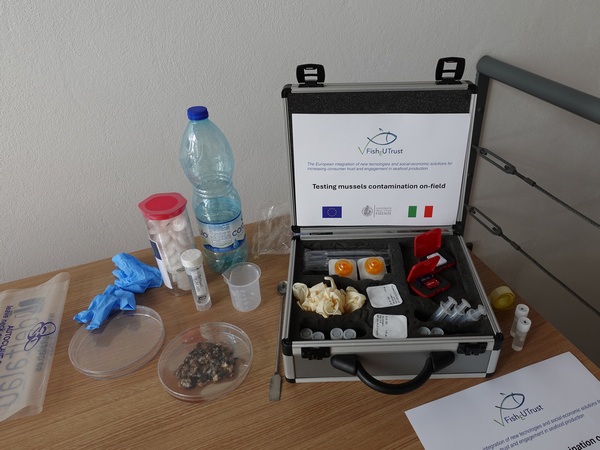
According to project coordinator Nives Ogrinc of the Jožef Stefan Institute(opens in new window), “At the core of FishEUTrust is a modular digital platform delivering full transparency, traceability and data security across the seafood supply chain.” Genomics, metagenomics and stable isotope tools verify species origin and authenticity. Smart IoT sensing systems collect real-time data throughout production and the cold chain. Developed sensors enable freshness monitoring and the detection of contaminants, including antibiotics, toxins and pathogens. “A key innovation of the FishEUTrust platform is the integration of nutritional data alongside traceability information, transforming seafood products into data-rich, health-oriented assets,” Ogrinc notes. The platform provides information including protein, omega-3 fatty acids, vitamin and micronutrient content while a ‘health nutritional index’ indicates minutes of healthy life gained per serving. Together with carbon dioxide footprint calculations and sustainability metrics, the platform helps consumers identify seafood products that are healthy for consumers and the environment. Blockchain technology built around digital product passports ensures data integrity and immutability. Passports include traceability, nutritional and sustainability information, all linked via a unique product identity accessible via QR code. The platform’s gamification solution educates users about seafood, sustainability and the supply chain.
Business models across Europe and the seafood value chain
“Five co-creation living labs(opens in new window) across the Mediterranean, North Sea and Atlantic regions validated technologies, business models and engagement strategies in practice,” explains Ogrinc. Each focused on a specific seafood value chain step. In Spain, CETGA focused on fish health, safety and disease prevention through monitoring technologies and validation services. OxyGuard in Denmark developed digital aquaculture management solutions built around real-time data services and software-as-a-service subscriptions. In Malta, ABT acted as a regional innovation hub for traceability, receiving recognition(opens in new window) from the Directorate-General for Maritime Affairs and Fisheries for its contribution to transparency and stakeholder engagement. Bugenvila in Croatia connected seafood production with gastronomy and promotion of sustainable consumption, while IPMA in Portugal focused on producer-consumer trust through consultancy, training and engagement.
Understanding and motivating consumer trust
Better information alone cannot build trust – active consumer participation and behavioural change are essential. FishEUTrust organised tasting events and cooking classes, collaborated with chefs and restaurants to promote sustainable seafood, and engaged younger generations through hackathons, school programmes and summer camps. Public outreach included joint participation with the EU-funded Sea2See project at sea-to-plate-themed events of the United Nations’ Ocean Decade. “A particularly innovative approach combined virtual immersive shopping simulations with real-life tasting and purchasing experiences, yielding insights regarding how factors such as labelling, origin and price influence consumer choices,” Ogrinc notes. Such approaches can inform targeted behavioural intervention strategies encouraging sustainable food choices. FishEUTrust’s holistic integration of technology and effective business models with nutrition, sustainability and consumer engagement offers a scalable, replicable blueprint for building trust and sustainability across Europe’s future food systems.