Workplace movement has complex effects on cancers


Decades of research confirm that leisure-time activity lowers cancer risk. Far less has been known about whether physically demanding jobs offer the same protection, leaving a major gap in public health guidance for millions of working adults. With the support of the Marie Skłodowska-Curie Actions, the PreCaFit(opens in new window) project set out to better understand the relationships among lifelong physical activity, physical fitness and cancer risk to improve cancer prevention strategies. In addition to explorations of body fat, age and sex, the project investigated how leisure-time and occupational physical activity alongside measured physical fitness relate to cancer incidence and mortality.
Exceptional population cohorts with complementary information
The PreCaFit project drew on three major, long-running population studies, each offering complementary strengths. The US-based Exercise Testing and Health Outcomes Study includes objectively measured physical fitness data from over 800 000 participants. The UK Generations Study, involving more than 100 000 women, allowed researchers to examine links between physical activity, excess body fat and colorectal cancer risk. A Norwegian cohort of over 400 000 people, followed for a median of 27 years, proved especially valuable. Occupational activity was self-reported according to four categories: sedentary, some walking, walking and lifting or heavy manual labour. It allowed the team to assess occupational physical activity(opens in new window) alongside the incidence and mortality of 14 cancer types. “By using these large-scale cohorts with different exposure assessments and long follow-up periods, we answered questions that could not have been addressed previously,” explains principal investigator Cristina Cadenas-Sanchez of the University of Granada(opens in new window) and Stanford University(opens in new window).
Mixed effects of occupational activity warrant further research
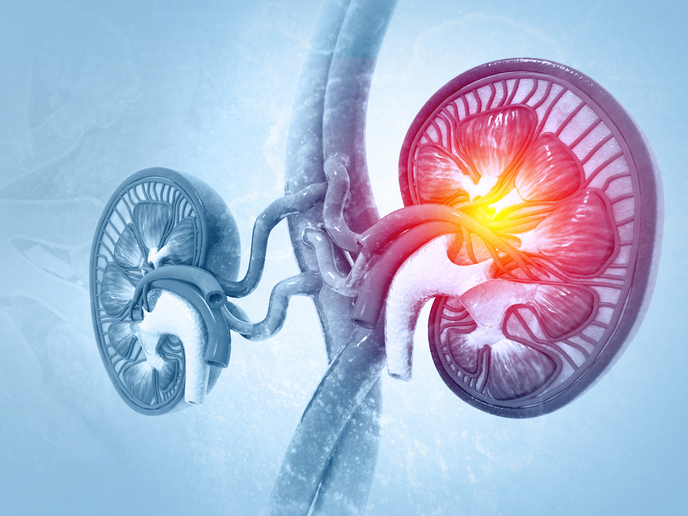
“The opportunity to investigate occupational physical activity and its association with multiple cancer types was unexpected – and became one of the most impactful lines of research,” says Cadenas-Sanchez. PreCaFit found that people with more physically active jobs had a lower risk of developing endometrial, colon, breast, rectal and prostate cancer. However, higher occupational physical activity was also linked to increased mortality from oesophageal and kidney cancer. “Overall, our findings challenge the assumption that all forms of physical activity have identical health effects. Distinguishing between occupational and leisure-time activity could lead to more precise and effective public health guidelines,” Cadenas-Sanchez notes.
Public outreach and personal growth
Cadenas-Sanchez also prioritised public engagement, particularly with children, since habits formed early often persist into adulthood. PreCaFit joined the European Commission’s ‘Science is Wonderful!’ initiative with its ‘Fit for Life’ booth, helping children understand how movement contributes to lifelong health in a fun and accessible way. The team also produced a comic titled ‘Every movement counts’ promoting exercise, nutrition, sleep and mental well-being. Beyond the scientific results, Cadenas-Sanchez notes that PreCaFit has shaped her career. In addition to several national and international awards and new global partnership opportunities, it supported her in her current role as director of research at the Cancer Patient Support Unit(opens in new window) (website in Spanish), where exercise, physiotherapy, nutrition and psychology are integrated to benefit people living with cancer. The PreCaFit project delivered a more nuanced understanding of how different forms of physical activity and physical fitness shape cancer risk across the lifespan. Its findings could inform future public health guidelines, workplace policies and prevention strategies, ultimately helping to reduce the global cancer burden.