Do humans have hidden regenerative powers?

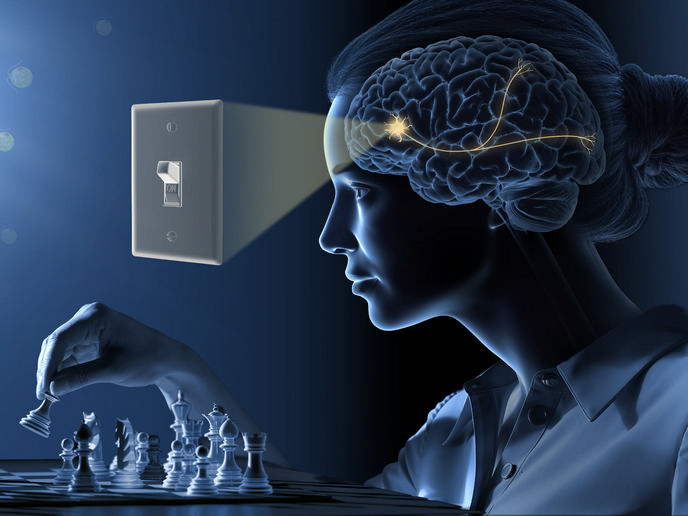
Over the years, scientists have seen the fact that humans and other mammals cannot regrow lost body parts as a major limitation. While animals such as salamanders can grow back entire limbs, humans usually just heal injuries by forming scar tissue. Because we can heal, the power to regenerate is within us, but it’s dormant. Is the day coming when humans will be able to switch on the body’s ability to regenerate lost body parts?
Rethinking human healing
A research team led by Texas A&M College of Veterinary Medicine and Biomedical Sciences (VMBS) suggests that mammals might actually be able to regrow body parts. Instead of missing this ability completely, it may be hidden inside the body’s normal healing process, just waiting to be triggered. “Why some animals can regenerate and others, particularly humans, can’t is a big question that has been asked since Aristotle,” commented Ken Muneoka, professor at the VMBS’ Department of Veterinary Physiology & Pharmacology (VTPP), in a news release(opens in new window). Indeed, the ancient Greek philosopher took a keen interest in the natural world, and questioned why some creatures can regenerate parts of their bodies while others – particularly humans – cannot. Published in the journal ‘Nature Communications’(opens in new window), the study presents a process enabling mammals to regenerate bones, joints and ligaments that they would otherwise be unable to regrow. The research team employed this two-step process that replicates how regenerative animals regrow tissue following an amputation.
Unlocking nature’s superpower
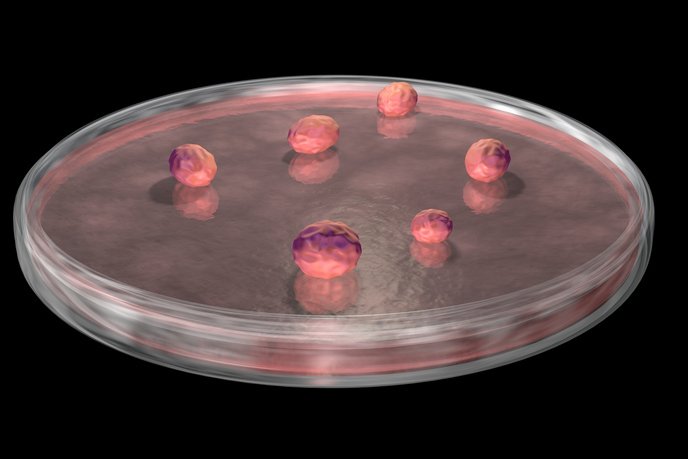
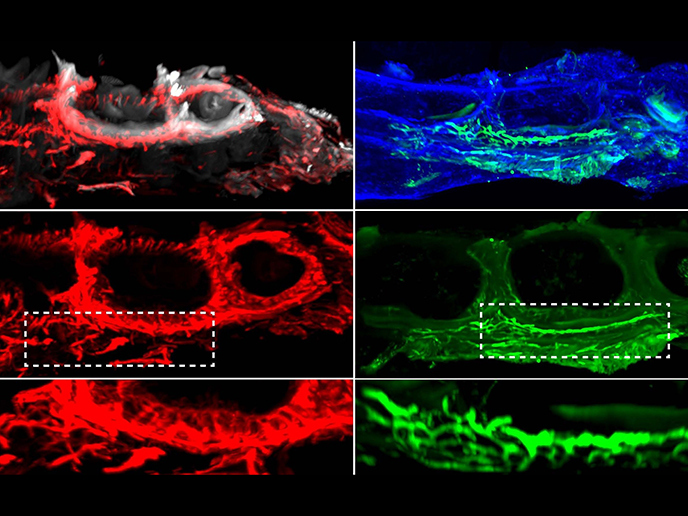
The researchers achieved this through a method called epimorphic regeneration, which is how some animals regrow a complex body part, such as an entire limb, after it has been lost or injured. Nearby cells then gathered to form a structure called a blastema, which acts as a base to grow the new limb. By using custom-designed serum to send specific signals to cells, the researchers successfully triggered the growth of a blastema in lab mice, effectively controlling the process of limb recovery. A major advantage of the two-step process is that the cells needed for regeneration are already there. The research team just needs to get them to behave the way they want. VTPP professor Larry Suva noted that these findings change the way scientists perceive the boundaries of healing in mammals. “The cells that we thought to be unprogrammable, in fact are. The capacity is not absent — it’s just obscured.” While this discovery likely won’t enable the regrowth of full limbs anytime soon, it offers valuable insight into how our bodies function when healing from serious injuries. This study also alters how we view healing. Mammals haven’t lost the ability to regrow limbs, it’s just turned off and waiting to be switched back on. “This changes the way we think about what’s possible,” added Suva. “Once you show that regeneration can be activated, it opens the door to asking entirely new questions.” These questions have driven Muneoka’s research, and he now has a new starting point for his work. “Regenerative failure in mammals can be rescued. Now we have a model to begin figuring out how.”