The mercury–selenium nexus and its implications for health


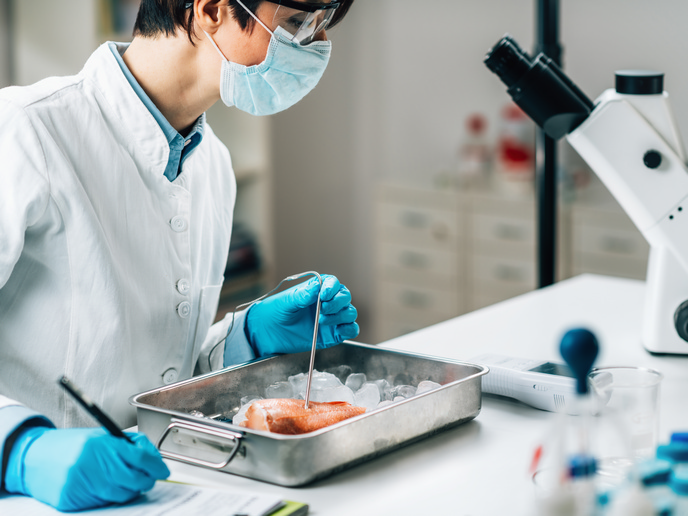
Fish and seafood are important components of the European diet, with the average person consuming about 23 kg per year(opens in new window). While the health benefits of this food group are well-documented, concerns over its mercury content are on the rise: mercury is officially classified among the 10 most toxic chemicals(opens in new window), and ingestion via contaminated fish may be especially harmful to humans in utero and early in life. On the other hand, selenium has been shown to have a detoxifying effect(opens in new window) against mercury toxicity. Funded by the Marie Skłodowska-Curie Actions programme, the MERFISH(opens in new window) project combined advanced analytical chemistry with environmental, aquaculture and human health studies to elucidate mercury behaviour in biological systems and assess its interaction with selenium.
A global multidisciplinary partnership on mercury toxicity
At the core of the project’s work were international staff exchanges that made it possible to share complementary analytical approaches, which were then adapted and applied across different biological and environmental contexts. Partners from outside Europe proved to be essential, as they provided access to non-European contexts. “These partners made the project more realistic, more internationally relevant, and allowed us to connect European expertise with key global challenges,” says project coordinator Zoyne Pedrero Zayas. Brazil brought to the forefront the Amazon(opens in new window), one of the regions most impacted by mercury worldwide. With Brazil’s input, the project team had the opportunity to work on mercury exposure in Amazonian populations and fish, laying the foundations for future collaborations in the area. Additionally, partners from Mauritius brought specialised knowledge in aquafeed production and the circular use of tuna by-products. The partners’ backgrounds spanned a variety of multidisciplinary fields: analytical chemistry, environmental science, toxicology, fish nutrition, aquaculture and communication. “This helped us address mercury–selenium interactions from several complementary angles, from fundamental analytical developments to food safety and aquaculture applications,” Pedrero Zayas points out. The exchanges between the partners helped consolidate new scientific partnerships, some of which have already led to new research initiatives and funding from national agencies.
Shaping food safety policies
MERFISH focused on the importance of considering mercury and selenium together when assessing the risks and nutritional benefits associated with fish and seafood consumption.The knowledge generated on mercury fate in fish, humans and aquaculture systems along with the role of selenium in modulating its toxicity can support future guidelines around food safety, environmental monitoring and aquaculture regulation. The MERFISH partnership created a strong scientific legacy beyond the formal duration of the project. Several publications helped disseminate its results in fields such as food chemistry(opens in new window), aquaculture(opens in new window) and analytical chemistry(opens in new window), reflecting the broad impact of the network. MERFISH was also present at events such as the European Maritime Day 2025(opens in new window), where the team actively supported causes such as empowering youth to contribute to the shaping of a resilient blue economy. In the end, MERFISH proved to be much more than a research project: it became a platform for building lasting collaborations. “MERFISH had an impact not only through its scientific results, but also through its capacity to structure a long-term international network around mercury, selenium, fish consumption, aquaculture and human health,” Pedrero Zayas concludes.