How plants fight pathogens from the inside out

Fungal and bacterial infections destroy up to 40 % of crops annually, and for generations, farmers have protected crops by applying chemical pesticides. These agents support food security, but because they are indiscriminate, they are damaging to the environment overall. Consequently, the Farm to Fork strategy(opens in new window) a key pillar of Europe’s Green Deal, aims to reduce pesticide use by 50 % by 2030. A shift away from pesticides requires an entirely new approach to ensuring crop resilience. The ImmunoZoneHubs project, with funding from the Marie Skłodowska-Curie Actions(opens in new window) programme, studied the built-in strategies already present in plants for fighting off infections.
Technology-based strategies applied to Arabidopsis thaliana
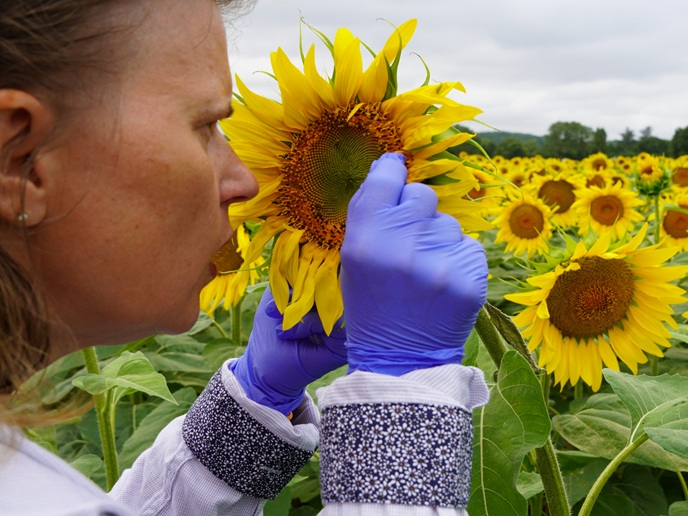
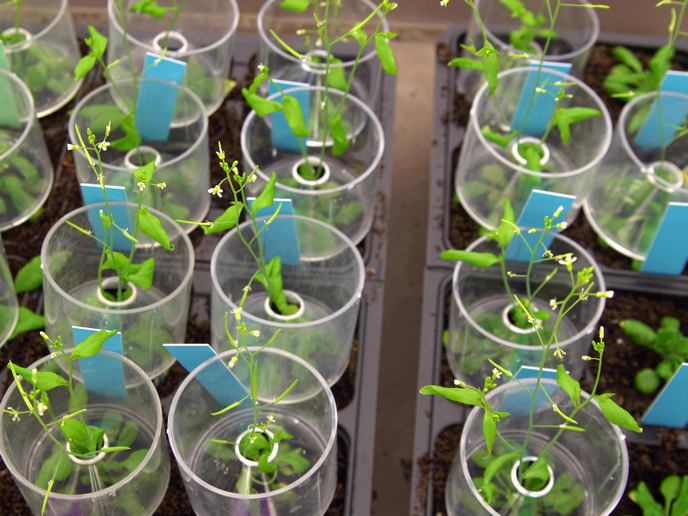
Native to Europe and a member of the mustard family, the Arabidopsis thaliana(opens in new window) species is widely used for researching the cell biology of plants. Arabidopsis is a model organism because it is easy to cultivate, has a rapid lifecycle and a small genome. To understand immune responses occurring in Arabidopsis cells, project investigators applied techniques from biochemistry, cell biology, molecular genetics and computational tools. These strategies led to understanding the underlying mechanisms that allow plants to identify and fight off infections.
Mechanisms governing immunity-related cell death
Immune response in plants, as in animals, requires cells to recognise a pathogen and destroy it. This process relies on the programmed death of infected cells as well as cells that have restructured in response to the pathogen and are immunologically on high alert. Researchers found that when the immune system is activated, the metacaspase 1 (MC1(opens in new window) protease) shifts location in the cell and interacts with key components of the immune system, effectively amplifying cellular immunity signalling. However, such cells can trigger an autoimmune response if left unchecked. As MSCA fellow Laia Armengot shares, “These MC1 macromolecular hubs are subsequently targeted and degraded by the plant’s internal recycling machinery, autophagy. This reveals a homeostatic ‘off-switch’ that dismantles the cell death trigger once the threat is contained.” Marker genes also play a crucial role in determining immunity-related cell death. “A key outcome of the project is the functional characterisation of a marker gene that serves as a reliable indicator of cellular suicide commitment, revealing novel enzymatic activities and subcellular functions that regulate life/death cell decisions upon environmental stresses, such as pathogen attack,” Armengot explains.
Potential for agricultural application
When the actions of marker genes and MC1 hubs are understood in agricultural crops as well as model plants, the project’s discoveries have the potential to transform food production in Europe. “By understanding how plants naturally restrict cell death zones and switch off immune cascades,” Armengot notes, “breeders can design ‘smarter’ crops engineered with built-in genetic resistance that halt infections while minimising collateral tissue damage and yield loss.” The immune response mechanisms discovered by ImmunoZoneHubs are universal and not specific to any particular pathogen. In addition to explaining a plant’s response to fungal or bacterial threats, these mechanisms may also help scientists understand an organism’s response to other environmental stressors such as heat or drought. With a wide range of technology-based strategies, the project has brought the goals of the Farm to Fork strategy within reach.