Enlisting nature to boost crop yield

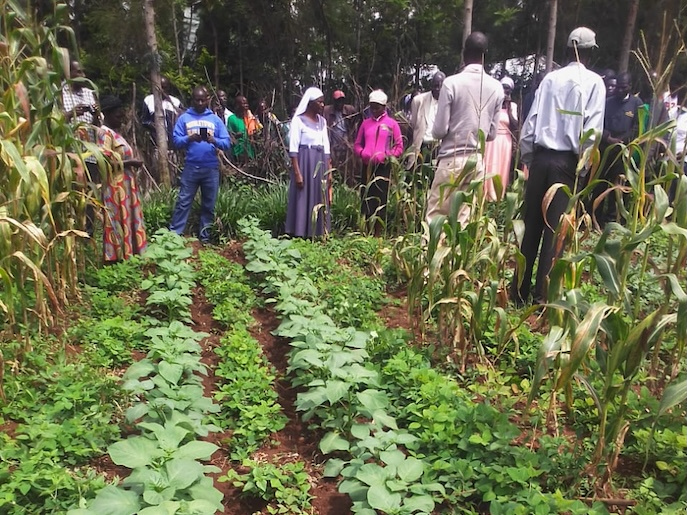
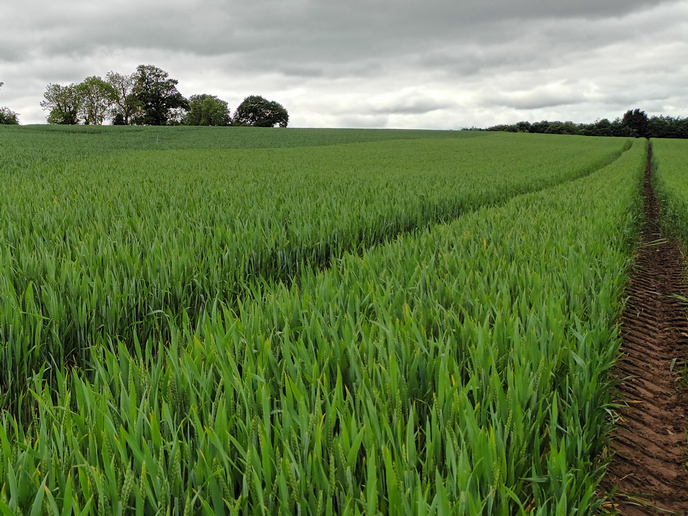
Smallholder farmers are faced with the challenge of producing food efficiently, on limited land, while making a living and also adapting to increasingly extreme and unpredictable climate conditions. At the same time, we already know the harm conventional intensification, for example through synthetic pesticides and fertilisers, causes ecosystems and human health. But what if we can harness the mechanics of natural systems to produce more per hectare, in a climate-resilient and biodiversity-friendly way? This is the question posed by the UPSCALE(opens in new window) project. To consider agroecological intensification strategies, the project used what is known as a push-pull approach. “Push-pull is a way of managing crop pests from the bottom up. It uses the way that species interact with each other to repel (i.e. ‘push’) pest insects outside maize fields, and/or to trap them (i.e. the ‘pull’) within or on the borders of the crop,” explains Emily Poppenborg Martin(opens in new window), UPSCALE coordinator. As Poppenborg, professor of Animal Ecology at the Institute of Animal Ecology and Systematics, University of Giessen(opens in new window) in Germany, explains, this is done by planting an intercrop, usually a legume called Desmodium spp., between the feet of maize, and by surrounding the crop with grasses that act as traps for the pests. “For example, side by side with plants in which the pests cannot develop until maturity. In effect, we are enlisting nature to protect the crops.” But despite many benefits, there is a high variability across regions in how well the push-pull is working. The surrounding fields can strongly affect ecological interactions within the crop land, but this had been barely investigated, notes Poppenborg. At the same time, adoption levels of farmers are not as high as one could expect given the potential. “So, in UPSCALE, we set out to understand this variability, to identify how and when push-pull could be best integrated into farming systems, and what it would take to scale an agroecological technology like the push-pull.”
Harnessing technology and boosting human networking for nature-based solutions
To analyse this further, the project used traps to sample beetles, spiders and flying insects which are natural enemies of maize pests, surveyed maize plants to assess crop pest damage and harvested the maize to assess yields. UPSCALE also used novel field sensors to capture the volatiles emitted by the plants in the intercropped system, and used satellite remote sensing to map land uses and assess vegetation responses to climate factors. They also modelled the impact of changes in the social-ecological system in which push-pull is embedded. To measure uptake, the team conducted over 150 interviews with smallholder farmers and expert informants in three survey waves and worked with stakeholders to assess benefits and map out value chains. “We identified barriers and opportunities for scaling, and co-designed roadmaps for when, where and how to scale push-pull practices.” The project then co-designed trials with farmers and piloted new dissemination strategies, to surmount hurdles such as the roaming of livestock.
Environmental changes come from within the community
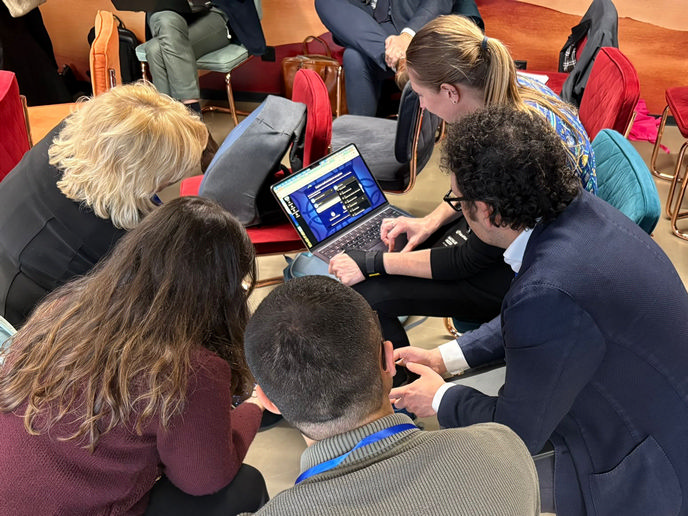
The project worked with whole communities, where farmers and researchers co-designed solutions such as live fencing and nurseries for Desmodium plants. Farmers also co-designed and tested solutions to enable crop rotation and to integrate push-pull with other food crops such as tomatoes and kale, set out in the project’s best practices(opens in new window). As Poppenborg remarks: “For me, the most striking finding is the importance of communities and critical mass. If an entire community comes together to implement push-pull, social networks are strengthened and make the technology their own, adapting and managing it for their needs, developing new and creative value chains.” After successfully including push-pull as a climate-resilient approach among nationally recognised agroecology strategies of partner countries, the partners are focusing on integrating the lessons learned on push-pull within the portfolio of agricultural extension services, and for the design of policies supporting agroecological transitions.