


Supporting EU farming through behavioural and economic analyses


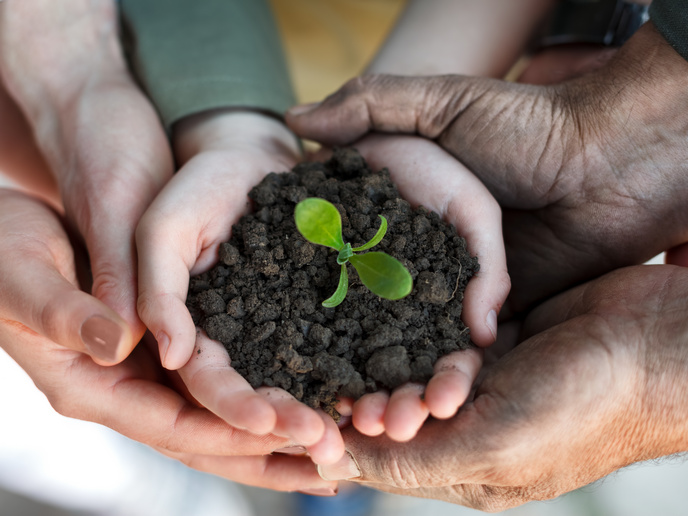
Decision-makers rely on research and innovation (R&I) to guide their agriculture-related policies in supporting farm income, food security, generational renewal, the green transition and the revitalisation of rural areas. One key part of this research involves social sciences and humanities (SSH), which enable us to better assess the interplay and the impact of evolving socio-economic conditions, innovation and policies on farmers and rural communities, delivering solutions to the challenges of the agri-food sector. These R&I activities integrating SSH are essential in supporting the competitiveness, sustainability, resilience, fairness and attractiveness of the agri-food sector. Behavioural and socio-economic analyses play a critical role in measuring the success of a policy or evaluating the adoption and diffusion of an innovation. Such insights are especially valuable when supporting behavioural change and the implementation of more sustainable farming practices, promoting gender equality in rural areas or increasing resilience to climate change. Furthermore, socio-economic data and analyses are key to improving our knowledge on the performance of diverse farm business models, agri-food value chains and international trade. Researchers in SSH are also developing and maintaining appropriate analytical tools, such as economic models, which are used to design policies and monitor their effects. By encompassing social, economic and environmental dimensions from local to global level, models help to identify critical trade-offs and collaborations that are valuable for decision-making. One of the main challenges is to continuously improve the available tools and models with the most recent knowledge and methodological developments to ensure they can respond to current priorities. Under the Horizon 2020 and Horizon Europe 2021-2027 programmes, strategic steps were taken to improve the socio-economic analyses and tools supporting behavioural change as well as policies and markets related to the agri-food sector. The second edition of this CORDIS Results Pack focuses on important new evidence and recommendations for improving agricultural policies stemming from research projects funded under Horizon 2020 and Horizon Europe 2021-2027, effectively integrating SSH. By showcasing socio-economic analyses, evidence and recommendations, this collection of projects highlights the potential of this research area for supporting agricultural policies while helping achieve the EU’s ambitions on sustainability, competitiveness and resilience. The Results Pack further illustrates advances in socio-economic modelling for the Joint Research Centre’s integrated Modelling Platform for Agro-economic Commodity and Policy Analysis – iMAP(opens in new window). The 15 projects featured will be used to guide key ongoing policy-making processes and will be contributing to the groundwork for the common agricultural policy – CAP(opens in new window). They also contribute to the priorities set in the EU’s Vision for Agriculture and Food(opens in new window), the climate and biodiversity objectives of the European Green Deal and the sustainable development goals. BATModel developed a modular platform to improve the modelling of agri-food trade policies. BESTMAP created a new modelling framework for EU rural policies to promote sustainability. MATS identified how agri-trade can grow sustainably, while TRADE4SD explored the relationship between trade and sustainable development. MIND STEP studied the impact of better integrating farm-level decision-making in policy analysis. FOODCoST harmonised approaches for accurately reflecting climate, biodiversity, environmental, social and health externalities in food prices. BEATLES demonstrated multiple ways to initiate behavioural change towards climate-smart agriculture and smart farming technologies. ENFASYS identified effective policies and business strategies that can support farmers in the transition towards sustainable farming systems. VISIONARY improved understanding of what shapes the decisions of farmers, consumers and food businesses across the entire agri-food value chain. LAMASUS developed an innovative governance model to support the European Green Deal that can anticipate the potential impacts of different agricultural and forestry policies. Tools4CAP supported the design, implementation and monitoring of the 2023-2027 national CAP strategic plans, which outline how individual EU Member States utilise CAP funding by stimulating the use of innovative methods and tools adapted to the needs of Member States. GRASS Ceiling invested in women-led innovations to support female entrepreneurs in agriculture and the rural economy. SWIFT promoted the role of women in farming and studied the role of agroecology in advancing gender equality. Meanwhile, FLIARA created a Europe-wide rural innovation ecosystem to support women-led innovative practices in farming and rural areas. Finally, SUPPORT investigated the reasons behind the limited adoption of integrated pest management and how it can be overcome.
