Testing a new digital assistant for pilots


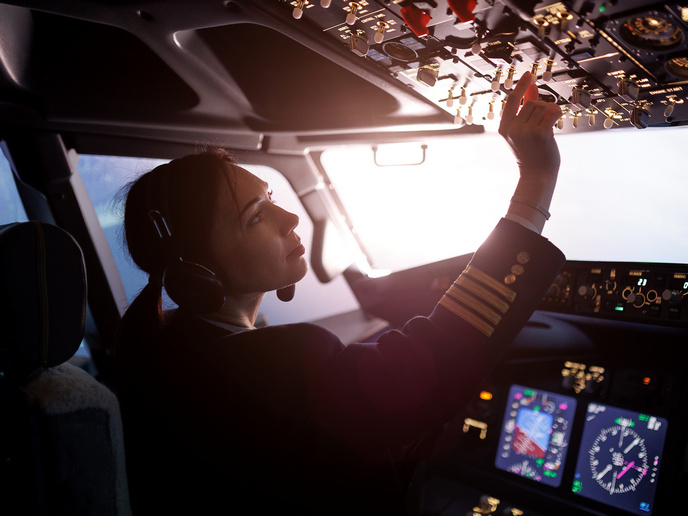
The German Aerospace Centre (DLR) recently assessed a new AI-driven digital assistant to see how much support it can provide pilots in the cockpit. The study was conducted as part of the EU-funded JARVIS(opens in new window) project that is addressing critical challenges in aviation’s transition towards automation, while also prioritising safety and efficiency in complex scenarios. In total, 21 commercial pilots took part in the study over a period of one month, from 29 September to 30 October 2025. The study focused on JARVIS’s Airborne Digital Assistant, AIR-DA, which was developed by project coordinator Collins Aerospace, together with Boeing. AIR-DA is one of three digital assistants developed by JARVIS. The other two target air traffic controllers and airport operators.
Focus on the human pilot
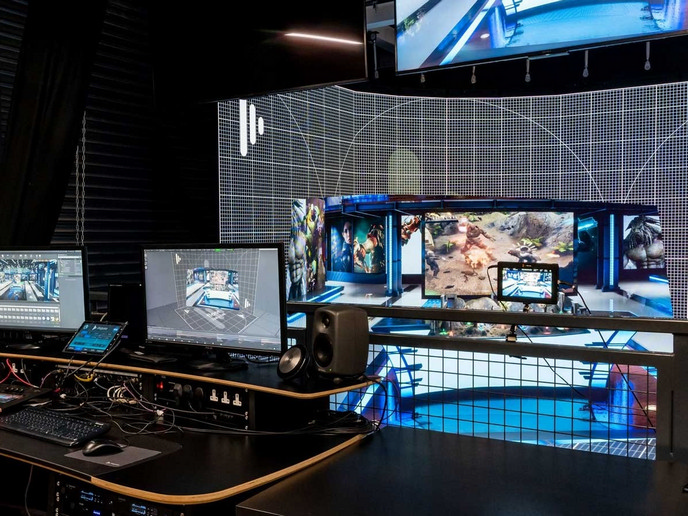
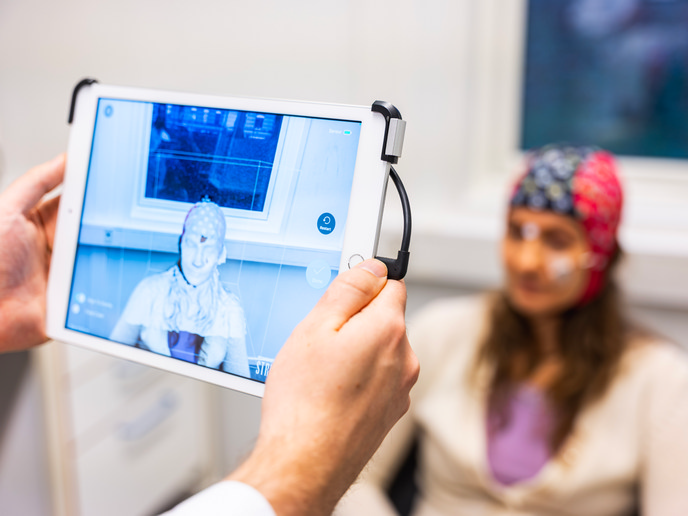
The study sought to answer crucial questions about the use of AIR-DA in the cockpit. How much information do pilots need about the AI in the system to build sufficient trust? What support does AIR-DA provide in different phases of flight? How does AIR-DA affect situational awareness and workload in the cockpit? Using a cockpit simulator, the pilots tested three different flight situations, going through each one once with and once without the digital assistant’s support. “The aim was to find out how the system and its algorithms influence the way the cockpit works and how much trust is placed in the digital assistant,” states a news item(opens in new window) posted on the DLR website. “The focus was on the human operator and their needs.” During the first flight phase, that of taxiing and take-off, AIR-DA assisted the pilots with air traffic control instructions and clearances. This was done by tracking the pilots’ communication with air traffic control on the ground. During the cruise phase, AIR-DA aided the pilots’ situational awareness and provided support with decision-making. During the final flight phase, AIR-DA assisted with preparations for arrival and landing. During the three flight phases, the JARVIS team used eye tracking tech to record how the pilots distributed their attention. They also recorded the strategic decisions that the pilots made regarding the further course of the flight. Other aspects the researchers focused on were how working with the AIR-DA digital assistant affected the pilots’ workload and situational awareness. Once the flight simulations were over, the test pilots were asked to provide feedback on their use of the system and their trust in it. “The results of the study will show how much such a digital assistant can support work in the cockpit in situations where a commercial aircraft is to be flown temporarily (extended minimum crew operations) or permanently (single pilot operations) by only one pilot,” the news item states. The JARVIS (JUST A RATHER VERY INTELLIGENT SYSTEM) team is now evaluating the data gathered on human performance and acceptance of the digital assistant and analysing the pilots’ feedback. For more information, please see: JARVIS project website(opens in new window)