Family-integrated care for newborns

Preterm birth remains a leading cause of infant mortality worldwide, placing immense strain on healthcare systems and families. High-risk neonates often require prolonged stays in neonatal intensive care units (NICUs), where both clinical complexity and emotional burden are significant. While traditional care models focus primarily on medical intervention, growing evidence highlights a critical gap: the limited integration of parents into care.
The FICare model
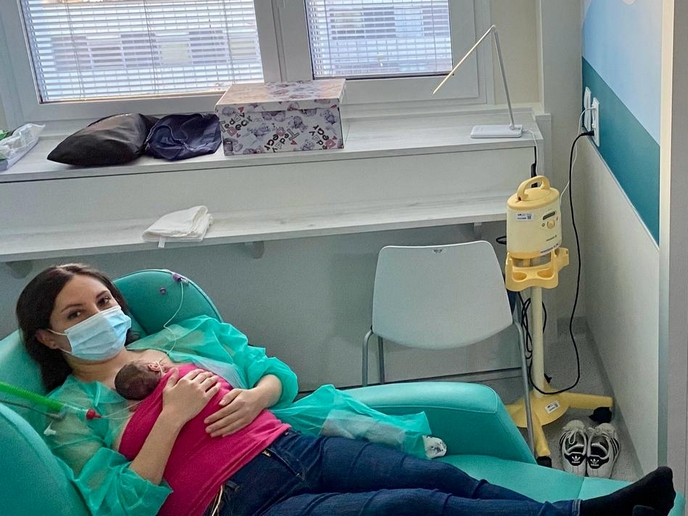
Aiming to redefine neonatal care practices globally, the EU-funded RISEinFAMILY(opens in new window) project developed an approach centred on family integrated care(opens in new window) (FICare). FICare is a structured model that positions parents as active members of the NICU care team. Rather than remaining passive observers, parents are trained and supported to participate in their infant’s daily care, working in close partnership with healthcare professionals. “FICare is not simply a protocol change; it represents a cultural shift with parents becoming caregivers and clinicians adopting the role of mentors and facilitators,” explains project coordinator Adelina Pellicer. The FICare model has demonstrated improved outcomes including enhanced infant weight gain, increased breastfeeding rates and reduced hospital-acquired infections. At the same time, parents experience reduced stress, anxiety and depression, alongside stronger bonding with their child.
From evidence to implementation
Despite its proven benefits, scaling FICare across diverse healthcare systems remains challenging. RISEinFAMILY set out to address this limitation by exploring how the model could be adapted(opens in new window) to different clinical, cultural and economic contexts. Through a process of co-creation, knowledge exchange and staff secondments, the project enabled participating NICUs to tailor FICare to their specific environments. “We avoided imposing a rigid model but instead focused on mutual learning, allowing each site to adapt FICare to its own realities while preserving its core principles,” emphasises Pellicer. Key contextual factors, including infrastructure, staffing levels and institutional culture were considered. Importantly, the project demonstrated that gradual integration within existing systems, combined with strong staff engagement, can drive sustainable adoption.
Insight from pilot studies
Pilot studies were conducted across multiple countries with hundreds of infants, parents and healthcare professionals being enrolled. Initial findings highlight improvements in parental well-being and parenting confidence. While some stressors persist, particularly related to the infant’s condition, overall experiences improve as parents become more involved in care. Healthcare professionals report generally positive attitudes towards parental participation. Burnout remains a complex issue, influenced by organisational and cultural factors, but FICare shows potential to strengthen relationships between staff and families and reduce workplace tensions. From an economic perspective, early analyses suggest that FICare can reduce resource use and healthcare cost(opens in new window).
Sustainable neonatal care
One of the project’s most significant achievements is the development of a comprehensive implementation roadmap, supported by an online platform that provides training and resources for both professionals and families. This digital hub ensures that knowledge generated by the project remains accessible and scalable beyond its duration. Looking ahead, the consortium focuses on completing pilot analyses and supporting the integration of FICare into standard hospital policies. “We want FICare to become a standard of care, not an exception, ensuring that families everywhere can play a central role in supporting their newborns,” concludes Pellicer.