
Bringing clinical-grade sleep monitoring into your bedroom

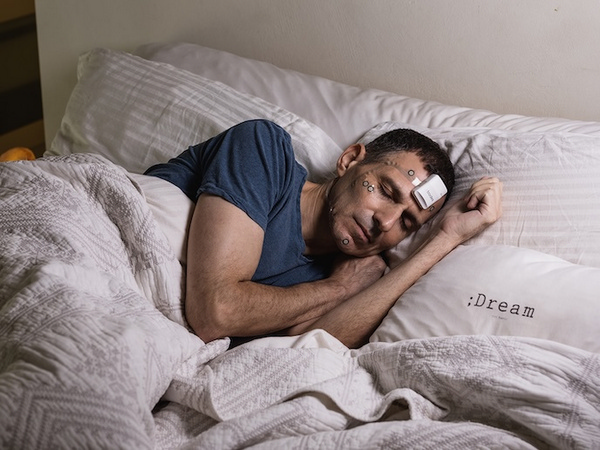
Poor or disrupted sleep is associated with impaired concentration, lower productivity, accidents, cardiovascular risk, metabolic problems such as diabetes and obesity, mental health issues and reduced quality of life. Research into this area is being supported by the EU. Obstructive sleep apnoea, insomnia, restless legs syndrome, circadian rhythm disorders and other sleep-related conditions can also interact with existing medical problems, making them harder to manage. A key challenge is that the healthcare system often identifies sleep disorders late and inaccurately. Many patients do not undergo a formal test until symptoms become severe, while others never reach a sleep clinic at all. This creates a gap between the scale of the public health problem and the limited capacity of conventional diagnostic pathways. This is where the EU-supported S-trodes(opens in new window) project comes in. “S-trodes is about moving high-quality sleep measurement from an artificial, scarce and expensive laboratory setting into the home, where the real and daily sleep actually happens. The goal is not simply to make sleep testing more convenient; it is to make reliable sleep information accessible much earlier and more often in the care journey,” says Ziv Peremen, CEO and co-founder of X-trodes, the company behind the project. Polysomnography(opens in new window), or PSG, is the conventional gold-standard sleep test, but it has practical limitations. “PSG remains extremely important, but it was not designed for broad, repeated, home-based monitoring. Our approach is to preserve the clinically meaningful electrophysiological signals while making the experience much more natural and scalable,” explains Yael Hanein, professor of Electrical Engineering at Tel Aviv University(opens in new window), and chief technical officer and co-founder of X-trodes.
Electrode patches and analytics quantify range of physiological markers
Sleep-trodes is a home-based sleep monitoring product built on X-trodes’ Smart Skin(opens in new window) technology. The platform combines soft, dry printed electrode patches, compact electronics and software analytics. The patches are designed to capture electrophysiological signals such as EEG (brain activity), EOG (eye movements), EMG (muscle activity) and ECG (heart activity), together with movement and signal-quality information when relevant. The product is not only a sensor. It includes the wearable patches, the data acquisition unit, signal-quality checks, cloud or clinical software components and analytics that transform raw physiological recordings into clinically meaningful sleep information. The patient applies the sensors at home according to guided instructions from the care team and product workflow. As Peremen notes: “The system is intended to make the set-up simple enough for self-use while still producing medical-grade data for professional interpretation.”
Making accurate sleep monitoring more accessible
The data collected by Sleep-trodes is not intended to replace the judgement of a healthcare professional. Rather, it gives clinicians a more accessible way to collect objective sleep information, support diagnosis, evaluate treatment efficacy and follow patients over time. "The value of Sleep-trodes is that it can turn sleep monitoring from a complicated, inaccessible procedure into a scalable clinical tool. If we can identify problems earlier and follow patients more easily over time, we can support better care while reducing pressure on specialist sleep laboratories,” adds Peremen. The European Innovation Council(opens in new window) support was important because it enabled X-trodes to move from a validated technology platform to a product and clinical package suitable for European regulatory approval and commercialisation. The funding helped bridge the gap between a promising medical-grade wearable technology and the evidence, usability and product maturity required for broader clinical adoption.