Better models for precision lymphoma research

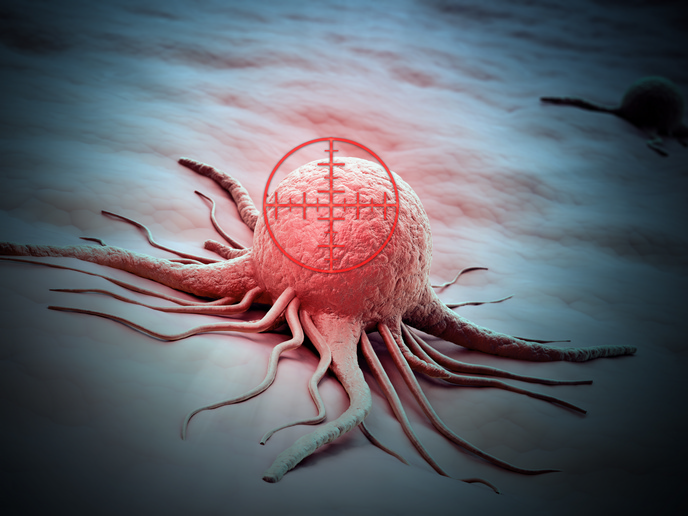
One of the most aggressive and most common forms of non-Hodgkin lymphoma is diffuse large B-cell lymphoma (DLBCL)(opens in new window). Although many patients respond well to treatment, a substantial proportion develop resistant disease, highlighting the need for new therapeutic strategies. Those with Epstein-Barr virus(opens in new window) (EBV)-positive disease generally have poorer outcomes, but the biological mechanisms underlying treatment resistance remain poorly understood. With the support of the Marie Skłodowska-Curie Actions programme, the CoMAnD project set out to address this issue by investigating how viral infection, cancer-driving genes and the tumour microenvironment interact to influence disease progression and therapeutic response.
The biology of aggressive lymphoma
The MYC oncogene(opens in new window) is frequently overexpressed in aggressive lymphomas, but it cannot drive cancer development on its own because it also promotes programmed cell death, or apoptosis. Other factors are therefore required to help malignant cells survive. In this context, the project focused on the relationship between EBV, and the MYC oncogene in DLBCL. EBV provides infected B cells with powerful growth and survival signals, making it a likely partner in driving tumour progression. “We hypothesised that MYC and EBV would synergise to promote the development of aggressive DLBCL,” explains research fellow Aisling Ross. The project also focused on the tumour microenvironment, which is increasingly recognised as a key regulator of cancer behaviour. Beyond the tumour cells themselves, immune cells, stromal cells and the extracellular matrix can influence tumour growth, suppress immune responses and reduce treatment effectiveness. “The tumour microenvironment in EBV-positive DLBCL is still poorly understood, and in particular, how EBV and other oncogenes such as MYC modulate this microenvironment,” highlights Ross.
Revealing mechanisms of treatment resistance
A major objective of CoMAnD was to understand why EBV-positive tumours are often less responsive to therapies designed to trigger apoptosis. The researchers generated a series of matched EBV-positive and EBV-negative lymphoma models using primary human samples. These isogenic models allowed them to isolate the specific contribution of EBV to tumour biology while controlling for other genetic differences. Laboratory experiments showed that EBV-positive lymphoma cells expressed higher levels of pro-survival proteins and were significantly less sensitive to therapies targeting the intrinsic apoptosis pathway compared to EBV-negative cells. However, the EBV-positive cells could still be killed with a sufficiently high therapeutic dose. This picture changed when these cells were transplanted into new humanised mouse models. “When EBV-positive DLBCL cells were transplanted into the lymph nodes of mice with a human immune system, we did not see any difference in overall survival of treated mice compared to untreated mice,” emphasises Ross. These findings indicate a protective role of the tumour microenvironment, suggesting interactions between tumour cells and their surrounding tissues can override responses observed under laboratory conditions.
Foundation for personalised therapies
Looking forward, research efforts will continue the detailed characterisation of the tumour microenvironment. The team is comparing experimental models with patient samples to validate findings and better understand how EBV shapes the local environment within tumours. “We now have a collection of in vitro, in vivo and patient-derived models that we will use to explore the relationship between tumour cells, the tumour microenvironment and therapy responses,” concludes Ross. These tools could be exploited by researchers to examine a range of questions beyond this project and accelerate the evaluation of novel drugs. By supporting more personalised treatment strategies, the CoManD tools could improve outcomes for patients with one of the most aggressive forms of lymphoma. Looking ahead, the consortium plans to launch a larger Phase IIb study in 2026, supported by newly secured funding. Clinical development is expected to continue through 2027, with study readouts anticipated in 2028. Next steps will include scaling up the process so that it works reliably at industrial scale. The list of potential end users is significant, given the demand for electric motors. As Busch points out, there are likely to be hundreds of such motors for example to control the positioning of a seat in a luxury car. “Simply by changing the material, we can lower energy consumption in a whole range of everyday electric motors and, ultimately, extend the range of things such as e-scooters or drones,” he says.