Transforming food systems in southern Africa


Southern Africa’s food systems face challenges driven by population growth, urbanisation, climate change, environmental degradation and economic inequalities. These challenges, especially their impacts on animal, environmental and human health, are deeply connected in complex ways. The EU-funded FoSTA-Health(opens in new window) project responded to the need for integrated, cross-sector approaches to ensure sustainable, equitable and resilient food systems. Researchers delivered several policy-oriented and practical outputs and strategies to be taken up, scaled, institutionalised or used by external stakeholders after project completion.
Opportunities and trade-offs associated with transformative change
Developed in consultation with a broad range of stakeholders, representative food system transformation pathways (RTPs)(opens in new window) describe ongoing and possible future food system changes in the four countries until 2050. Across Malawi, South Africa, Tanzania and Zambia, four RTPs highlight the diversity of opportunities and trade-offs facing the region: market-oriented commercialisation(opens in new window); nutrition- and demand-driven dietary change(opens in new window); landscape-scale farming system shifts(opens in new window); and equity- and aspirations-driven community pathways(opens in new window). “While each RTP offers distinct potential benefits, they also carry risks that must be managed to ensure that food system transformation delivers positive One Health(opens in new window) outcomes,” comments project coordinator Luuk Fleskens(opens in new window), associate professor at Wageningen University & Research in the Netherlands. “Sustainably transforming food systems requires recognising the complexity and interconnectedness of human, animal, plant and environmental health.”
Translating research into actionable policy
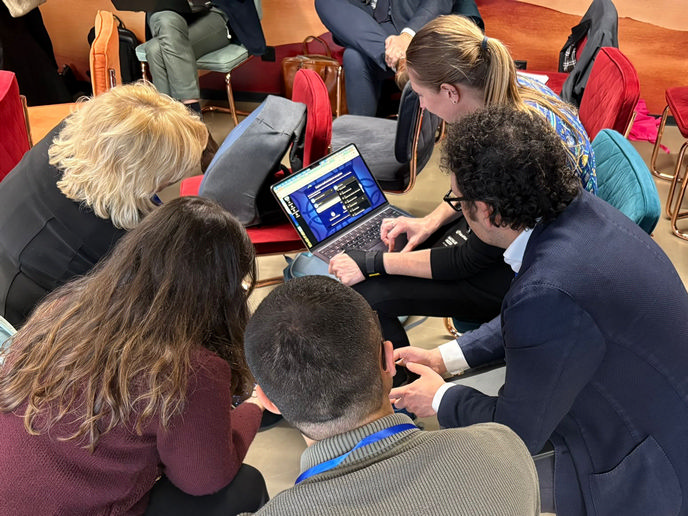
Policy guidance materials, such as a policy brief on transforming southern Africa’s food systems for One Health(opens in new window) and a briefing on integrating One Health into Zambia’s national agricultural investments(opens in new window), can be incorporated into national agricultural strategies and investment plans. Collaboration among Ministries of agriculture, health and environment is required to support different sectors in linking agriculture, nutrition, health and ecosystems. A policy briefing on women’s participation in agricultural exports(opens in new window) provides recommendations on evaluating their empowerment, farmer field business school design and inclusive export market participation. It can be adopted by NGOs and development agencies and integrated into future agricultural investment programmes. A handbook presents transferable methodologies for participatory food systems research, policy dialogue and inclusive stakeholder engagement(opens in new window). The documented lessons from FoSTA-Health can be used by universities, NGOs and government programmes in future food systems and rural development projects. Interactive food systems mapping(opens in new window) and an integrated food modelling system(opens in new window) assess RTPs and help policymakers to make better choices and guide them in how to best invest funds. The tools can be implemented in research, teaching and stakeholder-led workshops.
Scaling sustainable farming through capacity building
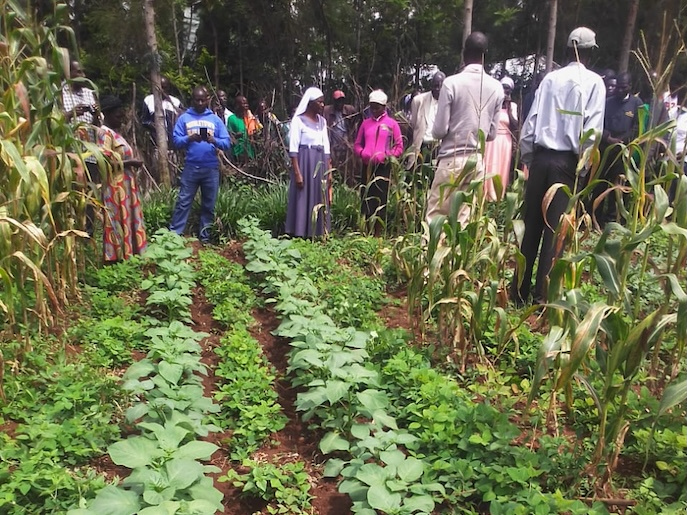
Training programmes on intercropping, soil management and pesticide management have been designed for farmers, with accompanying training booklets for district offices, extension providers and demonstration sites in Malawi and Zambia. They can be directly integrated by extension services and scaled through farmer field schools. Research and training and advocacy linked to GLOBALG.A.P.(opens in new window), pesticide management and food quality standards are useful for helping smallholder farmers access export markets through guidance on compliance with food safety regulations. They also reduce the risks associated with agriculture exports. “FoSTA-Health combined transdisciplinary work with policymakers and lived experiences, integrated across sectors and decision-making levels, operationalising a One Health approach in a southern African context,” concludes Fleskens. “Such an approach has not been taken before, and it builds partnerships for food system transformation in the four countries, as well as practical and scientific approaches valuable beyond the region.”